Key Takeaways
- Select the right size for your project to manage waste efficiently.
- Be aware of local regulations and placement logistics.
- Consider cost factors when renting a dumpster.

Understanding Dumpster Sizes and Types
When managing property projects, selecting the appropriate dumpster size ensures efficient waste disposal. Key considerations include the project’s scope and distinguishing between roll-off and residential dumpsters for optimal use.Common Dumpster Sizes and Their Uses
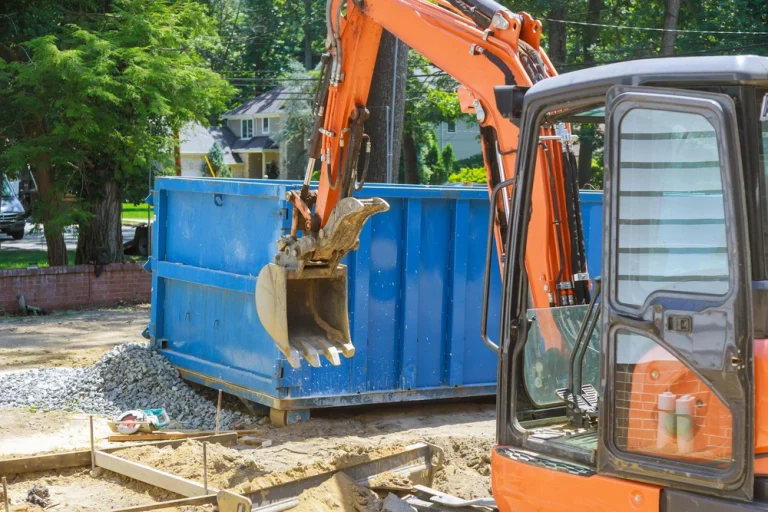
Standard dumpster sizes range from 10 to 40 cubic yards, each catering to different project needs. A 10-yard dumpster is perfect for small tasks like garage or attic cleanouts, with dimensions typically about 12 feet long, 8 feet wide, and 3.5 feet high. This size can hold roughly three pickup truck loads.A 20-yard dumpster may be better suited for medium-sized projects, such as kitchen renovations or landscaping, holding around six pickup truck loads. This size is often chosen for moderate home remodels.When dealing with large-scale renovations or community cleanups, a 30-yard dumpster is more suitable. It can manage around nine pickup truck loads. Lastly, the 40-yard dumpster is ideal for commercial and industrial projects, accommodating extensive waste volumes with dimensions like 22 feet long, 8 feet wide, and 8 feet high.Distinguishing Between Roll-Off and Residential Dumpsters
Roll-off dumpsters are characterized by their rectangular shape and wheels, making them suitable for construction, large cleanouts, and demolition tasks. These dumpsters can be easily delivered and picked up by trucks, offering versatility and convenience for varied project sizes.In contrast, residential dumpsters are often smaller, stationary, and designed for household projects. These are optimal for routine residential waste or modest cleanout tasks.Understanding the differences between these types allows you to choose appropriately between mobile, spacious options for large projects and convenient, fixed options for regular residential needs.Assessing Project Requirements and Dumpster Utility
Choosing the right dumpster size for your property projects involves evaluating the volume of waste and aligning the project’s nature with the appropriate dumpster capacity. Accurate assessment ensures efficiency and cost-effectiveness in waste removal.Estimating the Volume of Waste for Your Project
To determine the correct dumpster size, begin by estimating the waste volume. Home renovations often generate substantial debris from materials such as drywall and wood. Construction projects may require larger dumpsters due to heavy materials like concrete and bricks.Demolition projects can produce mixed waste, making an accurate estimate essential. For landscaping projects, consider the waste from tree branches, soil, and green waste. Smaller endeavors like garage cleanouts or household cleanouts might only require a compact 10-yard dumpster.Using a list of potential waste items can help. Write down each material type, estimate its volume, and add these estimates to gauge total waste. Always consider extra room in your calculations to avoid overfilling, leading to additional pickups and costs.Matching Dumpster Size to Project Types
Different project types demand different dumpster sizes. For home renovation, a 20-yard dumpster typically handles debris from smaller rooms. Larger construction projects might need a 30-yard dumpster, which is suitable for bulky materials.Demolition projects often use the maximum option available, like a 40-yard dumpster. Landscaping tasks may require specialized dumpsters that can manage green waste. Choose a flexible 15-yard dumpster option for medium-sized garage cleanouts or household cleanouts.Evaluate your project scope comprehensively. Check if the dumpster provider offers guidance tailored to your project specifics, ensuring the selected size meets your needs without unnecessary expense.Navigating Waste Management Regulations
 Understanding waste management regulations is essential for landlords to ensure legal compliance and efficient property management. Local rules often dictate what materials you can dispose of and how certain wastes must be handled, especially regarding hazardous materials and recycling mandates.
Local Regulations and Environmental Compliance
Regulations are vital in shaping your waste disposal practices. Each municipality may have different rules regarding what can be placed in dumpsters. In many areas, strict guidelines exist for hazardous waste, such as chemicals and electronics, which often require special disposal methods. Ignoring these regulations can result in hefty fines and penalties.Compliance with environmental laws is not just about avoiding fines but also about contributing to sustainability efforts. Many localities enforce recycling requirements to minimize landfill usage. Understanding these recycled materials rules will help you meet your waste disposal needs effectively. Always check with your local waste management authorities for the most current regulations.Identifying Restrictions and Prohibited Items
When securing a dumpster rental, it’s crucial to know which items are prohibited. Many dumpsters have restrictions on heavy materials like concrete or asphalt, which may require specialized containers. Also, hazardous waste, including batteries, paint, and asbestos, is typically prohibited and requires distinct disposal solutions.You should create a detailed list of items you plan to dispose of and cross-reference it with local guidelines. Such lists will help you identify any restrictions or special instructions needed. Being informed about prohibited items ensures that your waste disposal process is both legal and efficient, preventing unexpected fees or service interruptions. Always consult with your rental provider about restrictions to avoid any complications.Logistical Considerations for Dumpster Placement and Pickup
Efficient dumpster placement and understanding pickup schedules are vital for maximizing accessibility and minimizing disruptions. Considering available space and the specific needs of your property project will ensure smooth operations.Selecting the Optimal Placement for Accessibility
When choosing a spot for dumpster placement, evaluate the available space to accommodate the dumpster. Look for a location that does not interfere with traffic flow or living areas. This helps prevent obstruction or inconvenience for tenants and workers.Consider any space limitations around the property. An ideal location offers easy access for collection vehicles and guarantees that the dumpster can be serviced without hindrances. Avoid narrow or congested areas like tight driveways or alleys, and ensure proper clearance around and above the dumpster.Accessibility is crucial; make sure the dumpster is reachable for all parties involved. If the area is prone to inclement weather, place the dumpster on stable ground to prevent sinking or shifting. Clear signage can further ensure tenants and contractors know the correct placement, reducing the chance of misuse or relocation.Understanding Pickup Schedules and Rental Duration
Getting familiar with pickup schedules ensures that waste removal is timely, reducing overflow and maintaining property hygiene. Coordinate with your rental provider to establish a consistent schedule that matches the needs of your project.Understanding the rental duration can also influence your project planning. Choose a timeframe that aligns with your project’s timeline to avoid extra fees or needing unexpected extensions. Communicate your requirements clearly with the dumpster rental company to ascertain their availability for collection and deliveries.For effective waste management, remain adaptable to potential schedule changes, especially during peak seasons. Awareness of local regulations related to dumpster use and waste disposal can prevent potential fines or conflicts, ensuring compliance throughout the rental period.Financial Aspects of Dumpster Rental
 When renting a dumpster for property projects, understanding the financial aspects can help you manage costs effectively. Considerations such as evaluating potential overage fees and comparing quotes from various rental companies are crucial for making informed decisions.