Key Takeaways
- Plan your landscape design to enhance both beauty and function.
- Assess current spaces to efficiently direct renovation efforts.
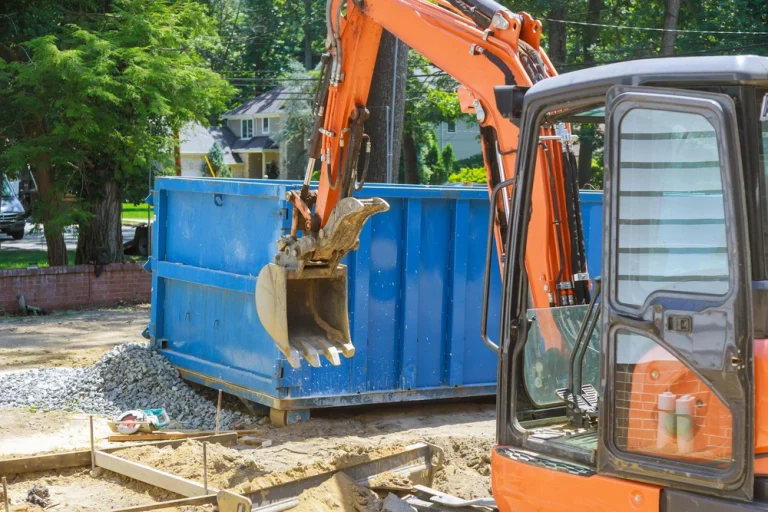
- Renting a yard waste dumpster simplifies project debris management.

Assessing Your Current Landscape
Understanding your present landscape is crucial for crafting a beautiful and functional outdoor space. You need to evaluate existing features and recognize the unique elements of your environment. Focus on what adds value and serves a purpose, ensuring that improvements are both practical and aesthetically pleasing.Evaluating Existing Features
Begin by taking an inventory of your current landscape elements. Identify trees, bushes, and flowers that are thriving, as well as those that may need removal or replacement. Look for signs of overgrowth, such as crowded planting beds or plants encroaching on pathways.Consider the functionality of existing features. Is there enough shade from trees to create comfortable seating areas? Are the walkways wide enough for easy movement? This evaluation will guide your decision on which elements to keep, alter, or replace.Document your observations with photos or notes. This helps provide a clearer picture of the space and offers a reference point for tracking changes. Understanding the strengths and weaknesses of your existing landscape forms the foundation for future enhancements.Understanding Your Outdoor Space
Familiarize yourself with the specific conditions of your outdoor space. Note the amount of sunlight different areas receive throughout the day. Pay attention to the soil type and drainage patterns, as these influence plant health and growth.Climate considerations are also essential. Choose plant species that suit your local weather conditions for a sustainable approach. This ensures that trees, bushes, and flowers flourish with minimal maintenance.Assess the space’s flow and functionality. Consider how you and others use different areas. Is there a need for more seating, paths, or privacy? This insight into your outdoor space helps in creating a cohesive and practical design that meets your needs and enhances your environment.Designing Your Landscape Overhaul
Enhancing your outdoor space starts with a clear plan that unifies all elements, highlights a central focus, and utilizes plants native to the area. Each aspect plays a crucial role in developing a sustainable and cohesive landscape.Creating a Cohesive Design Plan
A cohesive design plan is fundamental for a successful landscape overhaul. Begin by assessing your space and identifying the features you want to enhance or introduce. Sketching a rough layout helps visualize the overall structure.Consider the flow of movement through the space and how different areas will interact. Ensure materials, colors, and textures complement each other, creating a unified theme. For instance, using similar stonework and plant palettes can create harmony.Regularly reviewing the plan with a professional can address potential issues early on. It’s essential to balance creativity with practical considerations such as maintenance and budget.Choosing a Focal Point
Selecting a focal point is crucial in landscape design. The focal point draws the eye and defines the overall character of your space. Popular choices include water features, sculptures, or a striking piece of architecture.Evaluate your yard to determine where the focal point would best capture attention. For smaller spaces, even a well-placed tree or a double-porch sanctuary can act as the centerpiece. The position should complement pathways to guide guests naturally through your garden.A strong focal point sets the tone for the surrounding landscape, so ensure it aligns with your overall design objectives. Balance its prominence with the other elements to avoid overwhelming the space.Incorporating Native Plants
Incorporating native plants into your landscape design provides ecological and aesthetic benefits. Native plants are well-adapted to local soil, climate, and wildlife, offering a low-maintenance and sustainable option.Research which plants are indigenous to your area and how they fit into your plan. Group them based on sunlight and water needs to enhance their growth and integrate them seamlessly. Native varieties also promote biodiversity by providing habitats for local fauna.Using native plants can reduce the need for pest control and fertilizers, aligning with environmentally friendly practices. They contribute to a harmonious landscape that supports the local ecosystem, creating a balanced and thriving outdoor space.Budgeting and Planning
 Planning a landscaping overhaul requires careful consideration of costs and project phasing. By estimating expenses and breaking the project into manageable phases, you can achieve your landscaping goals efficiently and economically.
Estimating Costs
Determining a realistic budget is crucial for any landscaping project. Start by assessing the scope of your project, including hardscaping elements like patios, paths, or walls. Evaluate the cost of materials and labor; using durable and long-lasting materials might be more expensive initially but can save money over time.Consider softer elements like mulching, plants, and grass, which vary significantly in price. To manage expenses, seek multiple quotes from professionals and compare options. It’s recommended to allocate about 10-15% of your home’s value for landscaping improvements, which can also enhance property value.Phasing Your Landscaping Project
Breaking your landscaping project into phases can help manage costs effectively. Start by prioritizing essential components such as foundational features like pathways or irrigation systems. Addressing these early can prevent disruptions later in the process and reduce overall expenses.Consider completing tasks that require professional help first, leaving simpler, DIY-friendly jobs for later. For example, hardscaping installations often require expertise, whereas tasks like planting, mulching, or smaller decorative elements can be done independently. By organizing your project into clear stages, you’ll maintain control over your budget while steadily progressing toward your desired landscape transformation.Implementing Hardscape Elements
Incorporating hardscape elements into your landscape design can transform outdoor spaces, adding functionality and aesthetic appeal. This section focuses on the strategic use of retaining walls and water features to enhance your environment.Adding Retaining Walls
Retaining walls are essential for managing soil erosion, creating level areas, and adding structure to your landscape. Choosing the right materials, such as stone or concrete blocks, can provide both durability and visual appeal. Stone is a versatile and timeless material that works well for various landscape designs.When planning a retaining wall, consider drainage to prevent water build-up and ensure long-term stability. Properly designed walls will support raised garden beds, terraces, or prevent soil erosion on slopes. Consulting with a landscape professional can ensure your wall meets safety and design requirements.Integrating Water Features
Water features add a calming ambiance and visual interest to landscapes. Consider options such as fountains, ponds, or waterfalls. Integrating these elements can attract wildlife and enhance your garden’s ecosystem while providing scenic focal points.Materials like natural stone or concrete are often used to build water features. The placement of water features is crucial; they should be situated where they can be easily seen and enjoyed. Keep in mind maintenance requirements, such as managing algae growth and ensuring proper water circulation, to keep your water feature looking pristine. For more ideas, you might explore the modernist approach to integrating hardscaping.Softscape Modifications
 Softscape modifications can transform your outdoor space into a vibrant landscape. Key elements include seasonal flower arrangements and consistent care for grass and plants. These modifications enhance both aesthetics and the ecosystem of your garden.