Key Takeaways
- Xeriscaping reduces water use and maintenance.
- Gravel and drought-tolerant plants are ideal choices.
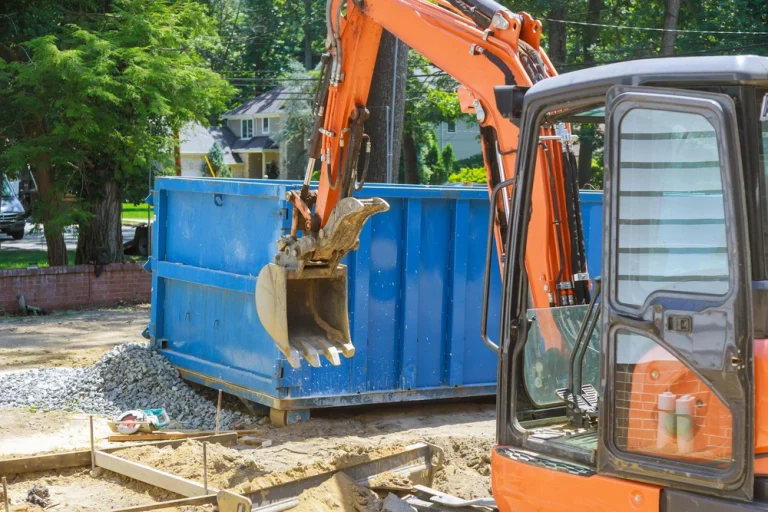
- Yard waste dumpsters aid in large projects.

The Basics of Xeriscape Landscaping
Xeriscape landscaping focuses on creating an attractive outdoor space that is both low-maintenance and drought-tolerant. By implementing principles that prioritize water conservation, you can achieve a flourishing landscape that requires minimal upkeep.Understanding Xeriscape Principles
Xeriscape landscaping revolves around key principles that make it effective and sustainable. One fundamental aspect is the selection of drought-tolerant plants, which require less water and thrive in dry conditions. Such plants can include native grasses, succulents, and perennials. Another essential element is improving soil quality to enhance water retention, especially in clay or sandy soils. Consider the use of organic soil amendments to achieve this. Mulch is another vital component. It acts as a protective layer over the soil, reducing evaporation and insulating plant roots from extreme temperatures. Using mulch also helps maintain soil fertility and limits weed growth. Additionally, efficient irrigation practices, such as drip irrigation systems, ensure that water reaches the plant roots directly without wastage. Finally, integrating decorative gravel provides a clean, minimalist look while aiding in water conservation.Benefits of Xeriscaping
Adopting xeriscape landscaping offers numerous benefits beyond just water conservation. First, it enhances the overall sustainability of your landscape by significantly reducing your garden’s water consumption. This approach can lead to substantial savings on water bills over time. Moreover, xeriscaping minimizes the need for fertilizers and pesticides, as the natural ecosystems are better balanced, thus promoting biodiversity. The low-maintenance nature of xeriscaped gardens also means less time spent on lawn care. With reduced mowing, watering, and weeding, you can enjoy a beautiful outdoor area with minimal effort. Additionally, the use of native and drought-tolerant plants often results in a healthier garden that’s more resilient to pests and diseases, ensuring a vibrant and enduring landscape. For more information on creating a sustainable and stunning garden, explore these xeriscaping ideas for your front yard.Designing Your Xeriscape Front Yard
 Designing a xeriscape front yard balances aesthetics with functionality, focusing on water conservation. Key elements include selecting drought-tolerant plants and creating inviting focal points.
Initial Planning and Landscape Design
Before diving into plant selection, take the time to carefully plan your landscape. Consider the natural contours and sunlight exposure in your yard. Incorporate elements like paths and seating areas to enhance curb appeal. Make use of ornamental grasses and succulents to frame the pathways, providing structure without high water demands. Use mulches like gravel to reduce water evaporation and create a clean look. Integrate seating areas with durable materials like stone, which can withstand different weather conditions without maintenance. Sketch out ideas to visualize how each element will interact in your space.Selecting Xeriscape Plants
Choosing the right plants is crucial for a successful xeriscape. Look for drought-resistant plants such as native plants, cacti, and Mediterranean plants which thrive in your local climate. Group plants with similar water and sunlight needs together to optimize irrigation. Consider using cacti and succulents for their low water needs and unique shapes. Ornamental grasses add texture and movement to your yard, creating a dynamic landscape. Check your local extension service for recommendations on native varieties that provide both beauty and resilience. By selecting these plant types, you minimize water usage and create a sustainable garden.Creating Visual Interest and Focal Points
Enhancing your xeriscape with focal points creates a landscape that’s engaging and inviting. Think about adding a water feature like a small fountain to introduce sound and movement while considering water usage. Use various plant heights and textures to create layers; cacti and taller grasses at the back provide depth, while low-growing succulents draw the eye downward. Incorporate decorative stones or sculptures to enhance architectural interest. Consider the placement of seating areas to provide spots where you can enjoy the garden up close. These elements contribute to a cohesive design that encourages relaxation and admiration.Xeriscape Installation Techniques
 When implementing a xeriscape in your front yard, several vital components ensure it becomes a low-maintenance and water-efficient landscape. These include preparing the soil adequately, installing efficient irrigation systems, and incorporating hardscaping elements to define and beautify the space.
Soil Preparation and Amendments
Proper soil preparation is crucial for a successful xeriscape. Begin by assessing the soil’s texture and drainage capabilities. Adding soil amendments like organic compost enhances both water retention and drainage, depending on whether your soil is sandy or clay-heavy. To improve water absorption, consider integrating organic materials that help the soil maintain moisture. Mulching the area with materials such as wood chips or decorative stones reduces evaporation and suppresses weed growth, contributing to a healthier garden environment.Efficient Irrigation Systems
A key feature of xeriscaping is using water-efficient irrigation systems. Drip irrigation is particularly effective as it delivers water directly to the plant roots, minimizing evaporation and waste. Installing a drip system requires laying tubing across your plant beds, which can be easily covered with organic mulch to further reduce water loss. This system can be automated for convenience, ensuring your xeriscape remains low-maintenance.Incorporating Hardscapes and Pathways
Hardscaping provides structure and ease of maintenance to your xeriscape. Use pavers or gravel pathways to create walking areas that are both functional and decorative. Hardscapes, such as stone walls or patios, can serve as focal points and reduce grassy areas that require frequent irrigation. Incorporating decorative stones and paving materials provides texture and contrast, enhancing the overall aesthetic without increasing upkeep. These features define garden spaces and help guide water towards plants during rain, improving efficiency.Maintenance Tips for a Xeriscape Garden
 Implementing a xeriscape garden involves strategic choices that minimize upkeep. Choosing low-maintenance plants like creeping thyme and yarrow will reduce the need for regular care. These options are drought-tolerant and require less watering.
To ensure efficient water use, invest in a proper irrigation system. Drip irrigation or soaker hoses can target the roots directly, adjusting water needs without waste. This system contributes to significant water savings, effectively lowering your utility bills.
Incorporating organic matter into the soil enhances plant health. This includes adding compost, which enriches the soil and supports resilient growth. As an added benefit, this practice can also help reduce overall landscape costs.
Focusing on ornamental grass and perennials like the blanket flower and festuca offers year-round aesthetic appeal. These plants generally require less maintenance than annuals. Shrubs are also effective in forming structured, sustainable designs.
Utilize ground cover plants to help manage soil moisture and reduce weeds. Plants like creeping thyme spread efficiently, offering attractive coverage with minimal input. Mulching around these areas is another way to retain moisture and cut down on labor.
Finally, remember that a well-planned xeriscape garden can add value to your property. The careful selection and placement of plants not only cuts back on watering and care but also enhances curb appeal with minimal ongoing effort.
Implementing a xeriscape garden involves strategic choices that minimize upkeep. Choosing low-maintenance plants like creeping thyme and yarrow will reduce the need for regular care. These options are drought-tolerant and require less watering.
To ensure efficient water use, invest in a proper irrigation system. Drip irrigation or soaker hoses can target the roots directly, adjusting water needs without waste. This system contributes to significant water savings, effectively lowering your utility bills.
Incorporating organic matter into the soil enhances plant health. This includes adding compost, which enriches the soil and supports resilient growth. As an added benefit, this practice can also help reduce overall landscape costs.
Focusing on ornamental grass and perennials like the blanket flower and festuca offers year-round aesthetic appeal. These plants generally require less maintenance than annuals. Shrubs are also effective in forming structured, sustainable designs.
Utilize ground cover plants to help manage soil moisture and reduce weeds. Plants like creeping thyme spread efficiently, offering attractive coverage with minimal input. Mulching around these areas is another way to retain moisture and cut down on labor.
Finally, remember that a well-planned xeriscape garden can add value to your property. The careful selection and placement of plants not only cuts back on watering and care but also enhances curb appeal with minimal ongoing effort.