Key Takeaways
- Demolition cost ranges from $3.50 to $5 per square foot.
- Disconnect utilities and rent a roll-off dumpster for debris.
- Various methods of demolition influence cost and approach.

Understanding Mobile Home Demolition
Mobile home demolition involves evaluating your options and thoroughly assessing the condition and requirements of your mobile home. Both demolition and deconstruction methods offer distinct benefits and considerations.Demolition vs. Deconstruction
Demolition is the fastest and most cost-effective method to remove a mobile home. Using heavy machinery, the entire structure is torn down and the debris is hauled away. On average, it costs between $3,000-$7,000, depending on the size of your mobile home and your location. Renting a roll-off dumpster from Waste Removal USA is an efficient way to handle the debris disposal.Deconstruction, on the other hand, involves dismantling the mobile home piece by piece. This method allows for the reuse or recycling of materials, making it an environmentally friendly option. While deconstruction can be more labor-intensive and time-consuming, it can reduce landfill waste and possibly lower the overall cost through salvaged materials.Assessing Your Mobile Home
Before beginning the demolition process, you must thoroughly assess your mobile home. Start by disconnecting all utilities, including electricity, gas, water, and telephone lines. Ensuring safety and compliance with local regulations is critical.Next, consider the interior conditions. Stripping the home of fixtures and fittings will simplify the demolition process. This step is vital for both demolition and deconstruction methods. Evaluate if your mobile home has any materials that can be recycled or reused.Finally, you will need to obtain the necessary permits. Depending on your location, specific permits are required to legally demolish or deconstruct your mobile home. Proper planning and adherence to local regulations ensure a smooth and efficient process.Pre-Demolition Considerations
Before embarking on a mobile home demolition project, it is essential to carefully plan and consider several critical factors. These include securing necessary permits, ensuring all safety measures are in place, and selecting a reliable demolition contractor.Securing Permits and Understanding Regulations
To start, you must obtain the proper permits and understand local regulations. Contact your city or state government to inquire about the specific demolition permit required for your project. Different areas have distinct rules, and compliance is crucial to avoid legal issues.Check with local authorities for any additional environmental regulations. This can include guidelines on disposing of hazardous materials found in mobile homes. Securing a demolition permit helps ensure your project is safe and legally compliant.Safety Precautions and Disconnecting Utilities
Prioritize safety by implementing strict safety protocols during the demolition process. Begin by disconnecting all utilities, including electricity, water, and gas, to prevent accidents. Coordinate with utility companies to ensure safe disconnection.Ensure that all hazardous materials, such as asbestos, are properly handled. Improper disposal can harm both human health and the environment. Using a local dumpster rental from Waste Removal USA can facilitate the safe removal and disposal of debris. Adhering to safety precautions safeguards everyone involved and prevents potential liabilities.Choosing a Demolition Contractor
Selecting the right demolition contractor is critical to a smooth and successful project. Look for contractors with positive reviews and a strong reputation in the industry. Verify their credentials and ensure they are licensed and insured to perform demolition work in your area.Discuss the scope of work and obtain detailed quotes from multiple contractors. Ensure that they have experience with mobile home demolitions and are familiar with local regulations. Hiring a reputable contractor ensures that your demolition will be handled professionally and safely.By carefully addressing these pre-demolition considerations, you set the foundation for a successful and compliant mobile home demolition project.The Cost of Mobile Home Demolition
 Understanding the costs associated with mobile home demolition is crucial for planning your budget. Key factors include the size and location of your home and whether any hazardous materials are present.
Estimating Demolition Costs
Demolition costs for mobile homes typically range from $3,000 to $7,000. The cost often depends on the type and size of the home. Single-wide mobile homes usually fall on the lower end of the spectrum, costing between $3,000 and $5,000. Double-wide mobile homes, being larger, usually range from $4,000 to $7,000. Typically, the cost per square foot is between $3.50 and $5.Factors Influencing Cost
Several factors impact the cost of mobile home demolition. Location significantly affects the price, as different states or cities may have distinct regulations and costs for disposal. The size of your mobile home is another critical factor; larger homes cost more to demolish. Additionally, hazardous materials like asbestos or lead can increase costs due to special handling requirements. The contents and weight of the home can also affect pricing, as heavier, fully-furnished homes may incur additional fees.Getting Multiple Quotes
To ensure you get a fair price, obtain multiple quotes from different contractors. Start by contacting local demolition companies and requesting a free estimate. Comparing quotes can reveal discrepancies and help you identify a reasonable rate. Make sure each quote includes the cost of permits, labor, debris removal, and any additional fees related to hazardous materials. Engaging multiple contractors can provide a more comprehensive understanding of the market rate, helping you make an informed decision.Executing the Demolition
Successfully demolishing a mobile home involves using the correct methods and tools, responsibly handling and disposing of debris, and ensuring post-demolition site work is thoroughly completed.Demolition Methods and Tools
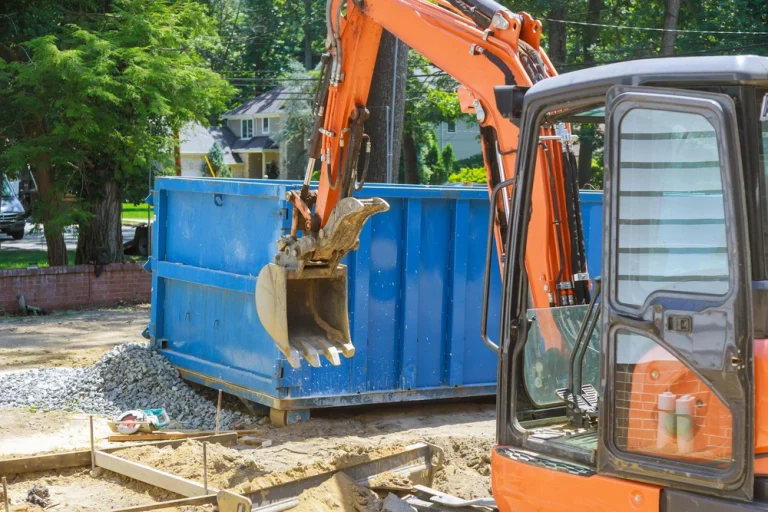
When demolishing a mobile home, you have several methods available. Mechanical demolition is the most common, often involving excavators or bulldozers. These machines quickly tear down the structure, making the process efficient.Ensure you have necessary tools such as sledgehammers, crowbars, and cutting tools for areas machines can’t reach. Disconnect all utilities like electricity, water, and gas before starting.Using cranes or wrecking balls may be required for larger or older mobile homes. Renting equipment might be necessary, and you can expect machine rental fees to add to your budget.Handling and Disposing of Debris
Dealing with demolition debris requires planning and adherence to local regulations. Hazardous materials like asbestos must be handled carefully and disposed of at designated facilities. Removing interior fittings before demolition can also help in segregating waste.Renting a roll-off dumpster can streamline the process by providing a convenient method to collect and transport debris. Organize materials for recycling, such as metal and wood, to minimize environmental impact.Ensure you adhere to all regulations to avoid penalties and help sustain the environment by reducing landfill waste.Post-Demolition Site Work
After demolishing the mobile home and clearing debris, focus on the post-demolition site work. This includes leveling the ground and ensuring the site is safe for future use. Removing all debris ensures there are no hazardous materials left behind.Inspect the site for any utilities that might still be present and ensure they are properly dealt with. Some areas may require soil testing to check for contamination.Finally, consider site grading to prepare the area for new construction or landscaping. Addressing these steps ensures the site is ready for its next phase of use.Options After Demolition
 After the demolition of a mobile home, you have several options to consider. From relocating the home to donating salvageable materials, understanding the available methods can help you choose the best path forward.