Key Takeaways
- Monument removal involves legal challenges and logistical tasks.
- Debates are deeply emotional, impacting communities and cultural landscapes.
- Professional services like Waste Removal USA can help manage the removal process.

Historical Context of Monuments
The history of monuments is deeply intertwined with cultural identity and heritage. This section delves into the origins and significance of these statues, their connection to the Confederacy, and the role they play in collective memory.Origins and Significance
Monuments often commemorate historical figures, events, and ideals that are significant to a particular group or nation. These structures can serve as reminders of shared heritage, guiding societal values. In the case of the United States, many monuments celebrate figures from the Civil War, particularly those associated with the Confederate States of America. Understanding their origins helps in grasping the narratives intended by their installation, often during periods of Reconstruction and segregation.Symbols of the Confederacy
Confederate monuments honor figures such as Robert E. Lee and Jefferson Davis. These statues symbolize the Confederate States of America’s defense of slavery and are often viewed through the lens of the Lost Cause narrative. This idealized version of the Confederacy emphasizes states’ rights and Southern honor. Such monuments were frequently erected decades after the Civil War, during the Jim Crow era, as symbols of resistance to desegregation and civil rights.Monuments and Memory
Monuments shape collective memory by highlighting particular historical narratives. When you see a statue of a Confederate soldier in a public space, it conveys a message about the past that might prioritize certain perspectives over others. The removal of these monuments is part of an effort to address historical injustices and create public spaces that reflect contemporary values of equality and justice.Legal and Social Aspects
Navigating the removal of Confederate monuments involves a complex interplay between legal statutes, public opinion, and judicial decisions. Each aspect influences how and when these monuments can be removed, reflecting broader societal values.Law and Legislative Actions
Several states have enacted laws that restrict the removal, renaming, or relocation of historic monuments. This legal landscape is vital to understand before commencing any action to remove a monument. For example, states like Alabama and Georgia have specific statutes that protect Confederate monuments, making it challenging to initiate removal without potential legal repercussions.Congress and local legislatures often become involved, creating an intricate legal framework. If you’re considering a project of this scale, you may need to rent a roll-off dumpster to manage debris.Civil Rights and Public Perception
The drive to remove Confederate monuments has been significantly influenced by civil rights movements and public perception, particularly in light of events such as the killing of George Floyd. This incident reinvigorated efforts across the U.S. to challenge the presence of symbols that are widely seen as promoting racism and slavery.Many cities have responded to public pressures by attempting to remove these statues even in the face of opposing laws and legal challenges. The public sentiment significantly shapes the political and social landscape, often propelling the debate onto national platforms.Judicial Rulings and Injunctions
Judicial involvement often plays a crucial role. Federal judges and U.S. District Judges frequently issue rulings that can either accelerate or halt the removal process. Temporary Restraining Orders (TROs) and injunctions may be used to delay actions until courts can make definitive rulings.For example, a Federal Court may issue an injunction to pause the removal until the legal merits of a case are fully examined. This judicial oversight ensures that due process is maintained while balancing the legal and social implications involved in the monument’s removal.Removal Actions and Opposition
 The efforts to remove Confederate monuments have involved a variety of stakeholders, from government commissions to activist groups on both sides of the debate. Here, we explore the roles and actions taken by key entities involved in the removal and the opposition they face.
Commission and Defense Department’s Role
The removal of Confederate monuments often required the intervention of specialized commissions and the Defense Department. In many cases, commissions were formed to evaluate the historical significance and social impact of these statues. For example, the Virginia Military Institute opted to remove a prominent Confederate statue from its campus in response to societal pressure and recommendations from oversight bodies.The Defense Department also played a critical role. Military bases named after Confederate leaders were subjected to review and potential renaming, aligning military installations with contemporary values. Temporary fencing and increased security were sometimes deployed to protect workers and property during the removal process.Resistance and Support Groups
Opposition and support for the removal of Confederate monuments have been vocal and highly organized. Groups such as Save Southern Heritage Florida have lobbied to block removals, arguing the monuments are part of their cultural heritage. Conversely, activist organizations like Remove Confederate Symbols have gathered public and political support for dismantling these statues, citing their association with white supremacy and historical oppression.Protesters from both sides have used a range of tactics, from peaceful rallies to more aggressive actions. In some cases, installations faced vandalism or were forcibly removed by activists. This ongoing tug-of-war between support and opposition showcases the deep-rooted sentiments attached to these symbols.Contractors and Process of Removal
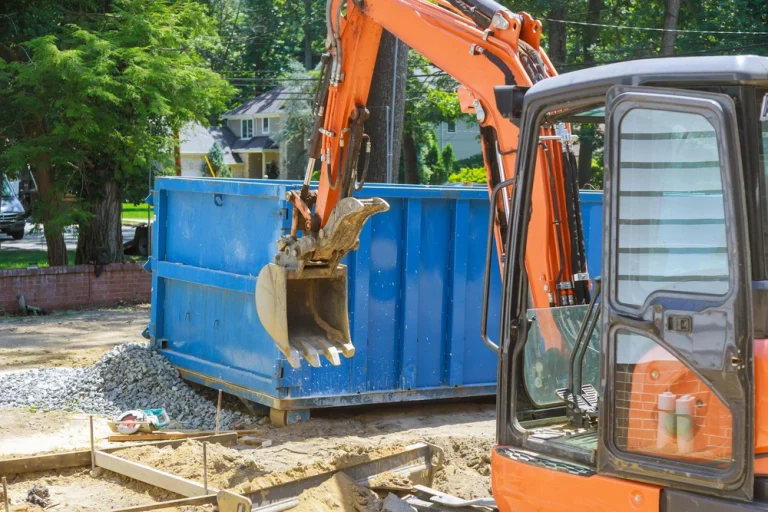
The technical process of monument removal often involved specialized contractors who handled the delicate and sometimes hazardous task of dismantling statues. For instance, renting a roll-off dumpster became a practical step in managing debris and facilitating the cleanup process efficiently. These contractors needed to consider various factors, including the statue’s structural stability and the immediate environment.The removal process typically followed a strict protocol to ensure legality and safety. This could involve obtaining permits, scheduling removals during off-peak hours to minimize public disruption, and deploying cranes and heavy machinery. Each stage required meticulous planning and execution to handle both the physical and logistical challenges effectively.This multi-faceted approach underscores the complexity and significance of monument removal efforts across the United States.Cultural and Community Impact
Understanding the impact of monument removal requires examining reconciliation efforts, heritage and African American perspectives, and the redefinition of public spaces. These elements illustrate how monument removal affects communities and their collective memory.Reconciliation Efforts
Reconciliation is a significant outcome of removing Confederate monuments. These statues often symbolize slavery, racism, and violence. Their removal can facilitate healing in communities fractured by historical injustices. By addressing these symbols of white supremacy and white nationalism, you help create a more inclusive environment.Renting a roll-off dumpster can assist in the physical process of dismantling these monuments, ensuring a smooth and respectful transition. The Southern Poverty Law Center notes how essential these removal acts are for fostering dialogue and understanding in affected communities.Heritage and African American Perspectives
The heritage and perspectives of African Americans are crucial in the discussion of monument removal. These monuments often commemorate a history that glorifies oppressors, thereby perpetuating feelings of injustice among African Americans. Removing them acknowledges the painful legacy of slavery and systemic racism.This action can also serve as a gesture of equity, recognizing the contributions and sacrifices of African Americans. For communities, this acknowledgment is a step towards justice and equity, similar to the public response following George Floyd’s murder and the Charlottesville events.Public Spaces and Redefinition
Redefining public spaces is an essential part of the cultural impact of monument removal. Public spaces should represent the values of the entire community, not just a select group. Removing Confederate memorials allows for new, inclusive memorials, such as reconciliation monuments, that reflect contemporary values.This redefinition involves more than just physical space. It changes the cultural landscape and communal identity. By doing this, you create an environment that promotes justice and inclusiveness. Renting a roll-off dumpster is a practical step in facilitating this transformation, ensuring these spaces evolve to meet current values and needs.Contemporary Debates and Future Direction
 The discussion around monument removal encompasses public opinion, historical interpretation, and policy management. Key elements involve the impact of these removals on society’s views and the subsequent management of historical sites and displays.