Key Takeaways
- Focus on waste reduction, reuse, and recycling.
- Utilize technology for monitoring and compliance.
- Educate stakeholders for better waste management.

Fundamentals of Construction Phase Waste Management
Effectively managing waste during the construction phase is crucial for achieving sustainability and reducing environmental impact. You must evaluate current practices and establish clear objectives to minimize waste and enhance efficiency.Assessing Current Waste Management Practices
Begin by conducting a thorough assessment of existing waste management practices. This involves reviewing the construction waste management plan to identify key performance areas. You’ll want to focus on identifying inefficiencies and areas of improvement.Organize a site audit to examine how waste is handled, including sorting, recycling, and disposal methods. Interviewing key personnel can provide insights into day-to-day challenges. Analyzing waste streams helps in pinpointing materials that are frequently wasted and determining effective recycling opportunities.Utilize tools such as waste audits and performance metrics to gain a comprehensive understanding of current practices. Regular reviews and updates to the management plan help maintain momentum in achieving waste reduction targets.Setting Clear Goals and Objectives for Waste Reduction
Establish clear and achievable goals to guide your waste reduction efforts. Start by defining specific waste management objectives aligned with sustainability targets. Consider goals like reducing material waste, increasing recycling rates, or minimizing landfill contributions.Identify the most impactful areas for improvement and set measurable targets. These objectives should be incorporated into the project’s overall plan, ensuring that all team members are aware and accountable. Use both qualitative and quantitative data to set benchmarks.Develop a strategy that integrates these goals into each phase of the construction project. Regular monitoring and reporting systems will help track progress and adjust strategies to ensure continuous improvement in waste management practices.Waste Segregation and Reduction Strategies
Effectively handling waste in multi-phase construction projects involves setting up clear protocols for waste segregation, devising methods for reusing and recycling materials on site, and minimizing waste generation at the source. Implementing these strategies can lead to significant cost savings and environmental benefits.Implementing Segregation Protocols
Establishing clear segregation protocols is essential for managing construction waste. By categorizing waste into types such as metal, concrete, wood, and hazardous materials, you can simplify the recycling and disposal process. Use labeled containers for each category to prevent cross-contamination. Educate your workforce on the importance and procedures for waste segregation through training sessions and informative signage.Consider employing digital tools to track waste segregation efficiency and identify areas for improvement. Electronic waste tracking systems provide real-time data, helping you adjust segregation practices as necessary. Regular audits ensure compliance and help in identifying any lapses in implementation, maintaining streamlined operations.Methods for Reuse and Recycling on Site
Maximizing the reuse and recycling of materials directly on the construction site reduces waste and lowers costs. Collect leftover materials such as bricks, tiles, and timber for reuse in other phases of the project or for new projects. Create a materials exchange program where usable excess materials can be repurposed.For recycling, set up designated zones on-site where materials can be sorted and processed efficiently. Partner with local recycling facilities to handle items that can’t be reused. Encourage the creative use of materials by drafting guidelines for adaptive reuse in design plans, reducing landfill contributions.Minimizing Waste at the Source
Preventing waste from being generated in the first place is one of the most effective strategies. During the planning phases, assess project designs for resource efficiency and prioritize modular construction methods to reduce material waste. Precise measurements and ordering of materials eliminate excess purchases.Employ lean construction techniques that focus on minimizing waste and maximizing resource use. This includes just-in-time delivery schedules to prevent material damage and loss on-site. Encourage suppliers to use reduced packaging or recyclable, environmentally friendly alternatives to minimize additional waste.Implement policies that require subcontractors to follow waste minimization practices, ensuring that everyone on site contributes to the overall waste reduction goals.Effective Waste Disposal and Treatment Methods
 In multi-phase construction projects, managing waste is crucial to ensure efficient site operation and environmental protection. Proper separation and disposal of waste materials minimize hazards and promote sustainability.
Handling Non-Hazardous Construction Waste
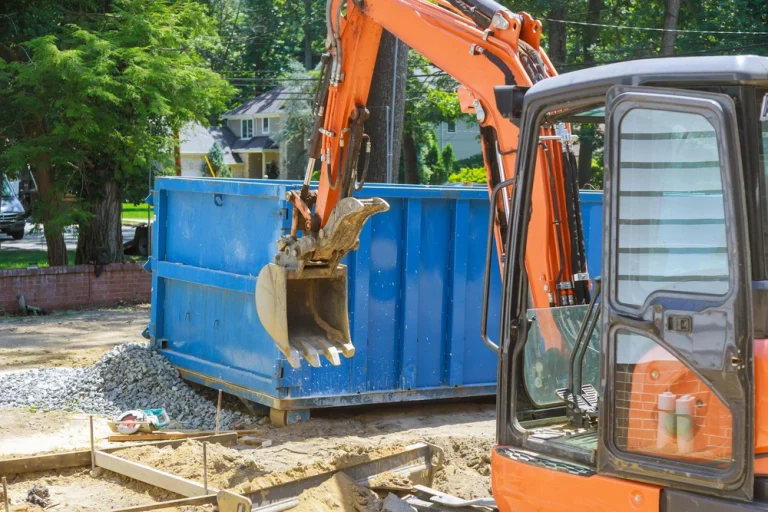
For non-hazardous waste, effective sorting is essential. Begin by separating recyclable materials like concrete, wood, and metal from landfill-bound waste. Utilize services that specialize in non-hazardous construction waste disposal to minimize environmental impact.Organizing collection points for various materials ensures smooth operations. Using multiple construction dumpster rentals will likely make waste management much easier. Incorporating recycling bins on-site improves the chances of materials being properly sorted. Using tools like ENERGY STAR Portfolio Manager can aid in tracking your waste management efficiency over time.Consult local regulations for specific disposal methods to ensure compliance. This is vital in both conserving resources and reducing costs. Encourage workers to follow waste separation procedures, which can be outlined in a comprehensive Waste Management Plan. Consistent training helps maintain these standards throughout the project.Dealing with Hazardous Construction Materials
Handling hazardous materials requires strict adherence to safety and environmental protocols. First, identify hazardous substances present, such as asbestos, lead, or chemical solvents. It is essential to employ specialized disposal methods to prevent contamination and ensure environmental protection.Work with certified hazardous waste handlers for accurate assessment and disposal. Proper disposal methods may include incineration, chemical treatment, or secure landfill placement, depending on the material type. Always adhere to local and federal regulations concerning hazardous waste management.Personal protective equipment (PPE) must be used by workers handling these substances to ensure safety. Regular training sessions should be conducted to familiarize the workforce with the latest safety procedures and disposal techniques. This comprehensive approach safeguards your project and aligns with sustainable building practices.Incorporating Technological Innovations
Embracing technological innovations can significantly enhance waste management in multi-phase construction projects. Key approaches include Building Information Modeling (BIM) for efficient planning and prefabrication techniques to minimize material waste.Role of BIM in Waste Management
Building Information Modeling (BIM) provides a comprehensive platform to manage construction projects. By using 3D models, you can visualize every aspect of a project, ensuring accurate planning and minimizing errors during construction. This reduces rework and consequently, waste.BIM enables better resource allocation through data-driven decisions. By integrating BIM, you can track material usage and optimize inventory, contributing to a circular economy approach. Additionally, BIM facilitates communication among stakeholders, reducing the chances of miscommunication that often leads to waste.The technology also supports sustainability by promoting energy-efficient designs. By simulating various scenarios, you can choose the most resource-efficient options, further minimizing waste and environmental impact.Advantages of Prefabrication and Modular Techniques
Prefabrication and modular construction provide significant advantages when it comes to waste reduction. By producing components in controlled factory environments, these methods ensure precision and consistency, leading to less material waste than traditional onsite construction.These techniques shorten the construction timeline, reducing the likelihood of on-site errors. This efficiency translates into less waste. By adopting prefabrication, you can implement quality control measures that are harder to achieve in traditional settings.Modular construction supports the principles of a circular economy by allowing for easier disassembly and reuse of components. This not only minimizes waste but also contributes to long-term sustainability goals and offers flexibility in building design.Monitoring, Reporting, and Compliance
 Ensuring effective waste management in multi-phase construction projects involves conducting waste audits, adhering to regulations, and maintaining detailed documentation. A structured approach helps in tackling environmental concerns and enhancing regulatory compliance.