Key Takeaways
- Design outdoor spaces to blend nature play with essential play structures.
- Incorporate creative elements to boost imaginative and sensory experiences.
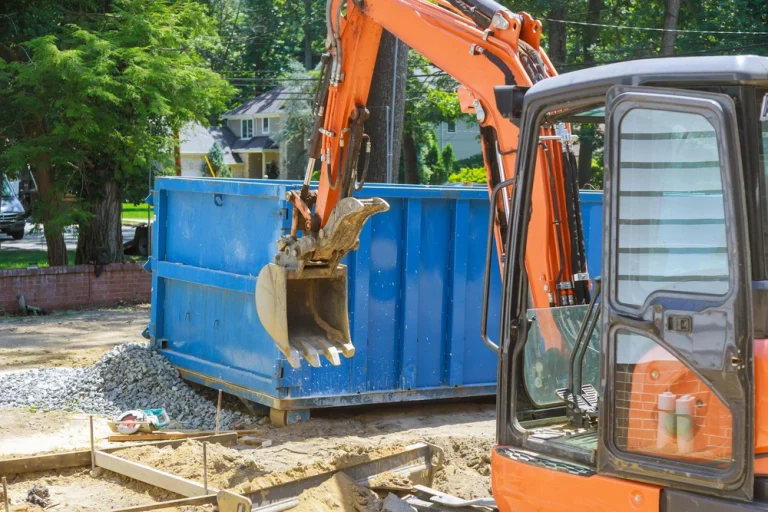
- Plan DIY projects effectively, considering waste management for larger installations.

Planning Your Outdoor Play Area
Creating an engaging outdoor play area for toddlers involves a careful blend of safety, durability, and natural elements. Focus on maximizing the available space while ensuring that the materials used are safe and sustainable. Integrate natural materials to foster a connection with nature.Assessing Space and Safety
Before setting up your backyard play area, evaluate the available space to ensure it’s ample and free from hazards. Observe for potential risks like sharp objects, uneven surfaces, or plants that could be harmful. Prioritize creating a clutter-free zone with clear boundaries, which can be achieved with fencing or natural borders like shrubs.Designate different sections for various activities to manage space efficiently while maintaining a safe play environment. Incorporate soft, impact-absorbing surfaces such as rubber mulch or sand to cushion falls. Regularly inspect structures for wear and tear to prevent accidents. Always monitor toddlers to ensure their safety as they explore and play.Choosing Durable Materials
When selecting materials for your outdoor play area, focus on durability and safety. Choose weather-resistant options like treated wood, metal, or recycled plastic to withstand outdoor conditions. Look for materials that are free from toxic chemicals, ensuring they are child-friendly.Invest in sustainable practice by selecting eco-friendly materials that are easy to clean and maintain. Install equipment that can endure rigorous play, thereby extending its lifespan and reducing maintenance costs. Choose sturdy, well-built structures that provide both stability and fun for toddlers.Incorporating Natural Elements
Natural elements add beauty and sensory stimulation to an outdoor play space. Use natural materials like wooden stumps for seating, or logs and large stones for climbing and exploration. These elements encourage imaginative play and can be easily integrated into the landscape.Consider adding a small garden or planting areas with safe, non-toxic plants to introduce children to gardening. Use sand or water tables to allow for creative play, promoting sensory experiences through the use of tactile materials. Incorporating these elements fosters a sense of connection with nature and can be more sustainable and cost-effective.Essential Play Structures
Creating an engaging and safe outdoor play area for toddlers involves including key structures that promote physical activity and creativity. Focus on versatile elements like swings, sandboxes, and slides or climbing walls to craft a dynamic space for young children.Installing a Safe and Fun Swing Set
A swing set is a timeless addition to any play area, offering enjoyment and fostering balance and coordination. Look for models with durable materials and secure hardware to ensure safety. Consider swings with adjustable seats or harnesses to accommodate your toddler’s size and weight. Place the swing set on a soft surface like mulch or rubber mats to cushion falls.You might also explore additional options such as tire swings or bucket seats with restraints. These variations provide both security and excitement for toddlers. Keep the area around the swing clear from obstacles to prevent accidents and encourage free movement.Building a Sandbox or Sandpit
A sandbox is a fantastic sensory play area for toddlers, allowing them to explore textures and engage in creative play. Choose a sandbox made from materials like weather-resistant wood or plastic for longevity. Ensure it has a tight-fitting cover to keep out animals and debris when not in use.Position the sandbox in a shaded area to protect children from sun exposure. Supply it with a variety of tools like buckets, shovels, and molds to enhance the play experience. The sandbox should have rounded corners and smooth surfaces for added safety. Consider a raised edge to help contain the sand and minimize mess.Including a Slide or Climbing Wall
Incorporating a slide or climbing wall adds excitement and helps build your toddler’s motor skills. Opt for slides with gentle inclines that are suitable for young children. Ensure the slide has sturdy handrails and is well-secured to its platform. The surface beneath the slide should be soft to cushion any falls.For climbing walls, choose designs with grips and ledges that are easy for toddlers to grasp. Climbing areas should be low to the ground and well-padded for safety. Integrate these structures with durable, weather-resistant materials to withstand the elements.These elements make your outdoor play area more engaging and foster a range of physical and creative activities.Creative and Imaginative Play Spaces
 Creating spaces that foster creativity and imagination is essential for toddlers’ development. These spaces should offer opportunities for role play, adaptability, and engagement with natural elements.
Designing Interactive Mud Kitchens
Mud kitchens provide a rich environment for creative play. They let toddlers experiment with textures and ingredients, mimicking real cooking experiences. Use old kitchenware and place them at child-friendly heights to ensure easy access. An ideal location is a shaded area where children can comfortably play for extended periods.Incorporating natural elements like leaves, sticks, and flowers can enhance the imaginative play experience. Encourage role play by setting up a small market stall nearby, where “chefs” can source their ingredients. Regularly update the arrangement to keep it fresh and exciting for the little ones.Creating Secret Spaces and Dens
Creating secret spaces and dens provides children with cozy nooks for imagination to flourish. You can craft these dens using simple materials such as blankets, cardboard, or even foliage. Placing them in semi-hidden parts of the garden adds a sense of adventure.Introduce items like pillows or lanterns to make the dens more inviting. During the day, these spaces can serve as a quiet reading spot or a hideout for storytelling. At night, add a soft light for a magical touch. This setup encourages kids to engage deeply in role play scenarios with friends or alone.Adding a DIY Playhouse or Teepee
Building a DIY playhouse or teepee can become a focal point of your outdoor play area. These structures provide a dedicated space for imaginative activities and role play. Use weather-resistant materials to ensure durability and safety.Consider adding features like small furniture, chalkboards, or colorful flags to personalize the space. A teepee made from lightweight fabric allows for easy setup and storage, making it a versatile option. Playhouses can have sections dedicated to specific roles, such as a mini kitchen or art corner, encouraging varied forms of creative play.Enhancing Sensory and Learning Experiences
Creating an enriching outdoor play area for toddlers involves integrating sensory and educational elements that stimulate their curiosity. Incorporating features like a sensory garden, educational installations, and a variety of loose parts can significantly enhance their play and learning experiences.Setting Up a Sensory Garden
A sensory garden can be a vibrant addition to your toddler’s play area. Select plants that engage different senses, such as herbs with distinct scents like lavender or mint. Bright flowers can captivate visual senses, while grasses with different textures invite touch.Consider adding a water feature. A small water table is perfect for splash play, combining sensory stimulation with fun. Incorporate paths with varied textures, such as pebbles or bark, encouraging toddlers to explore different sensations underfoot.Incorporating Educational Features
Introduce elements that foster educational play. Chalkboards mounted at toddler height allow for creative expression and pre-writing practice. An outdoor kitchen equipped with pots, pans, and utensils encourages imaginative play and development of motor skills.A music wall, featuring items like pans and bells, can stimulate auditory senses while developing rhythm and coordination. Educational features should be easily accessible, fostering independent exploration and learning.Using Loose Parts for Open-Ended Play
Loose parts offer versatile play opportunities that encourage open-ended creativity. Items like stones, sticks, and leaves can be manipulated in countless ways, promoting problem-solving and innovation.Create a space dedicated to these materials where toddlers can freely gather and experiment. Open-ended materials support imaginative play, allowing children to build, sort, and invent on their own terms.Providing a selection of natural and man-made materials can enrich sensory play and keep your toddler engaged with the outdoor environment.DIY Projects and Upcycling Ideas
 Incorporating upcycled materials in your outdoor play space not only saves money but also sparks creativity. Simple DIY projects can transform your backyard into an exciting area for toddlers, combining fun elements like climbing walls, obstacle courses, and interactive water or music walls.