Key Takeaways
- Assessing the fireplace structure is essential before starting the removal process.
- Renting an appropriately sized dumpster, such as a 10-yard or 15-yard, is important for managing debris.
- Consult professionals when necessary to handle complex aspects of fireplace removal.

Assessment of Fireplace Structure
When considering removing a fireplace, it is vital to thoroughly assess the structure to ensure a safe and efficient removal process. Here are the key components you should examine:- Chimney and Flue: Inspect the inner lining of your chimney to check for cracks, damage, or buildup, which may influence the removal strategy. The condition and safety of your chimney and flue are crucial elements.
- Firebox: Evaluate the firebox for integrity. Look out for loose bricks or deteriorating mortar.
- Hearth and Surround: Examine the materials and construction of the hearth and the surround for complexity in dismantling.
- Mantel: Determine how your mantel is affixed to the wall or the fireplace structure.
- Support and Framing: Review any framework or supports behind the fireplace structure. This includes the floor and wall structure that may be affected.
- External Walls: If your fireplace is on an external wall, consider how its removal might impact the structural integrity of your home.
| Component | What to Look for |
|---|---|
| Chimney and Flue | Damage, obstructions, buildup |
| Firebox | Structural integrity, loose bricks |
| Hearth and Surround | Material type, dismantling complexity |
| Mantel | Attachment method |
| Support and Framing | Framework integrity, potential impact |
| External Walls | Structural impact of the removal |
Preparation for Removal
 Before you embark on the journey of removing a fireplace, it’s critical to prepare adequately to ensure the process is smooth and safe. Proper preparation involves taking safety precautions and gathering all necessary tools and materials for the job at hand.
Safety Measures
Your safety is paramount during the removal of a fireplace. Always wear protective gear including:- Safety goggles to shield your eyes from dust and debris
- Heavy-duty gloves to protect your hands from sharp edges and rough materials
- A dust mask to prevent inhalation of fine particles
Tools and Materials
You will need various tools and materials in the process:Tools:
- Sledgehammer or maul for breaking down masonry
- Pry bar for lifting heavy objects
- Screwdrivers for dismantling attached hardware
- Wrench set for removing gas lines (if applicable)
Materials:
- Heavy-duty tarp to protect your floor
- Plastic sheeting for dust containment
- Brochure and dustpan for cleanup after the removal
Fireplace Disassembly
When you’re ready to remove your fireplace, careful planning and execution is required to avoid damage to your home’s structure. Each section of the fireplace will need to be taken apart systematically.Dismantling the Hearth
Begin with the hearth, which is the floor section extending into your living space. You should remove any tiles or slabs using a chisel and hammer to gently pry them away from the adhesive or mortar. Be sure to wear safety gloves and eye protection, as pieces can become sharp projectiles. Ensure the subfloor is not damaged in the process.Removing the Firebox
The firebox is where the combustion occurs and is commonly lined with firebricks. First, disconnect any gas lines or electrical connections by shutting off the supply and safely removing the components. Use a socket wrench and screwdriver for any bolts or screws. Carefully remove the bricks or panels, starting from the top and working down, storing them safely as they can often be reused or recycled.Taking Down the Mantel
The mantel is the decorative framework around the fireplace. To remove the mantel, look for any fasteners or bolts that may be fixing it to the wall. Once located, use a screwdriver or drill to delicately remove these fixtures. If the mantel is fixed with adhesives, you might need to apply heat via a heat gun or use a putty knife to pry the mantel free without causing damage to the surrounding materials.Remember to consult professional advice if any steps are unclear or beyond your skill level, as removing a fireplace involves risks to both yourself and your property.Structural Modifications
 When you decide to remove a fireplace, it’s vital to consider the impact on your home’s structure. You must ensure that the removal does not compromise the integrity of adjoining walls or the overall stability of the building.
Supporting Adjacent Structures
Once a fireplace is removed, the load-bearing walls or joists that were connected to it might require additional support. Here’s what you need to do:- Identify which walls are load-bearing: This is crucial because these walls support the weight of your house.
- Consult with a structural engineer: Professional guidance is essential to maintain structural integrity. They can assess the weight distribution and recommend bespoke solutions like installing lintels or beams.
Sealing the Opening
After supporting adjacent structures, you’ll need to seal off the opening left by the fireplace. This involves:- Framing the opening: Use dimensional lumber to frame out the space where the fireplace sat.
- Insulation: Properly insulate the cavity to prevent heat loss and comply with energy regulations.
- Closing the exterior: If a chimney removal is part of the process, you must ensure the exterior is weatherproofed.
Debris Removal and Cleanup
When you’re ready to begin debris removal and cleanup after removing a fireplace, embracing an organized approach will simplify the process. Your primary goal is to safely and efficiently clear out all materials resulting from the removal.Before You Start:- Ensure you have wearable protection such as safety goggles, gloves, and a dust mask.
- Ready heavy-duty trash bags or a bin for disposal.
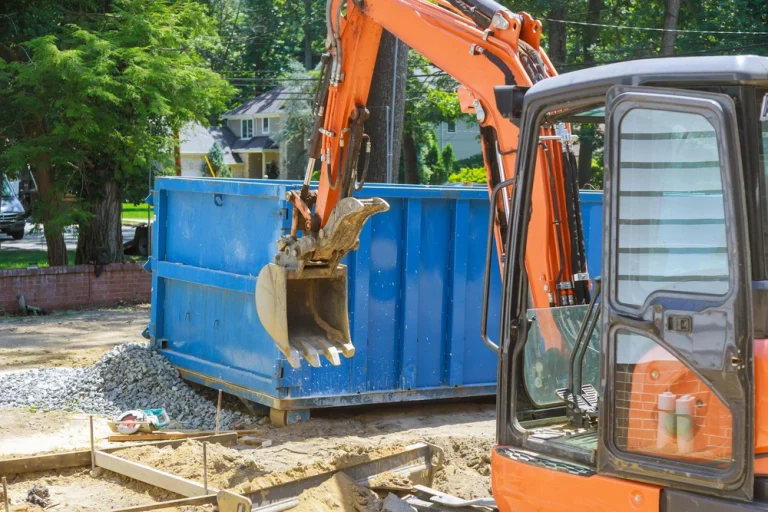
- Clear Large Debris: Start by picking up any large pieces of debris. Carefully place these into your disposal container to prevent scattering smaller particles. Make sure you get a home dumpster rental so you can easily toss out all the debris from this project.
- Sweep Dust and Ash: Use a sturdy broom to sweep up the finer particles. If your fireplace was wood-burning, be cautious of any remaining hot embers.
- Vacuum Fine Particles: A shop vacuum is ideal for removing the remaining soot and dust. It’s more effective than a regular vacuum and less likely to be damaged by the debris.
- Surface Cleaning:
- Wipe down all nearby surfaces with a damp cloth to capture any lingering dust.
- If you’re cleaning a brick surface, use a mixture of vinegar and water for an effective natural clean.
- Inspect the removed fireplace area for any missed spots.
- Dispose of the waste according to your local regulations—this could mean taking it to a waste center if it’s not suitable for regular trash pickup.
Finishing Touches
 After successfully removing your fireplace, the final phase involves interior finishing and exterior repairs to restore the aesthetics of your home.
Interior Finishing
Once the fireplace is removed, inspect the interior space for any damage caused during the removal process. It’s important to patch and smooth out any holes or irregularities in the brickwork or drywall. Here’s how to achieve a seamless look:- Repair any holes: Fill small holes with spackling paste and larger ones with a suitable patching compound.
- Utilize finishing touches to clean the wall and make any necessary repairs to achieve a polished look.
Exterior Repairs
The exterior part of a fireplace removal involves sealing any openings in the exterior wall to prevent drafts and water penetration. Here’s a quick guide:- Seal openings: Apply waterproof caulk to smaller gaps and consider brick or siding repair for larger sections.
- Address any issues with the chimney removal, if that was also part of your project, including sealing or roofing over the exposed opening.
Professional Assistance
Removing a fireplace is a complex task that often requires the expertise of a contractor to ensure it’s done safely and up to code. Professional assistance mitigates risks to your property and helps navigate the regulatory requirements.When to Hire a Contractor
- Safety Considerations: If your fireplace removal involves structural changes or there’s uncertainty about how to handle gas, electrical, or ventilation systems, it’s crucial to seek professional assistance. Contractors have the necessary skills to manage these risks.
- Experience with Materials: Fireplaces are composed of various materials that could require specific tools and methods for removal. Professionals are equipped to handle these materials efficiently, avoiding damage to your home.
Permitting Process
- Understanding Local Regulations: Before removing your fireplace, you’ll need to familiarize yourself with any permitting requirements. Contractors typically know the local codes and can obtain the permits for you.
- Inspections: Post-removal inspections may be mandatory. A licensed contractor will ensure that the work passes inspection and adheres to all safety standards.