Key Takeaways
- Ensure structural integrity by determining if the wall is load-bearing before removal.
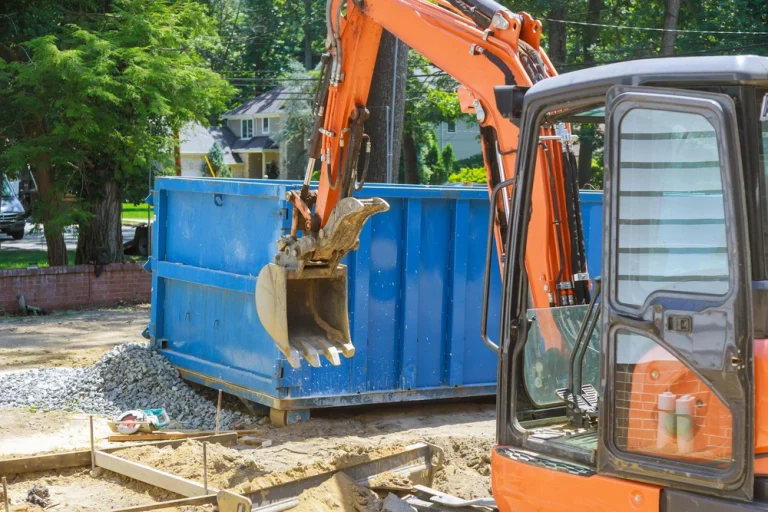
- Prioritize safety by shutting off utilities and securing a dumpster for debris.
- Plan thoroughly to avoid disrupting your home’s functionality and appearance.

Understanding Wall Structure
When you plan to modify or remove walls within your home, it’s essential to understand the nuances of wall structure. This includes differentiating between load-bearing and non-load-bearing walls, as they affect both the safety and the integrity of your home.Identifying Load-Bearing Walls
Identifying load-bearing walls is critical; these walls support the weight of the structure above, which may include the roof, upper floors, and ceiling joists. Your home’s original blueprints can indicate which walls are load-bearing, but there are also physical clues in the construction you can look for. For instance, load-bearing walls often run perpendicular to floor joists and may be thicker than partition walls. In multi-story buildings, walls that are directly above or below each other are typically load-bearing. Warning signs of a load-bearing wall include:- Presence of beams or columns directly above or below the wall
- Location centrally in the building or along the building’s perimeter
- Walls that intersect with the wall in question at a 90-degree angle
Non-Load-Bearing Walls Overview
Non-load-bearing walls, also known as partition walls or interior partition walls, serve primarily to divide space. They do not hold any of the building’s weight. Typically, non-load-bearing walls can be removed without affecting the structure of the home. They are usually constructed from a simple framework of studs covered with drywall or plaster and are often not as thick as load-bearing walls. Characteristics of non-load-bearing walls include:- Ability to run parallel to joists
- Flexibility in their location, often not necessary to the structural integrity
- Lighter construction with less robust materials
Preparation and Safety Measures
When embarking on the task of removing a wall, your safety and the integrity of your home are paramount. Proper preparation involves obtaining all necessary permits, consulting with professionals, and setting up a secure work environment. This proactive approach ensures that the job is done efficiently and without unnecessary risk to yourself or the structure of your home.Acquiring the Necessary Permits
Before beginning any demolition, it’s crucial for you to secure the correct permits. Local building codes often require permits for structural alterations to ensure the safety of your home. Failure to obtain these can result in fines and complications with future property sales.Consulting Professionals
Even if you’re taking on the demolition as a DIY project, consult a structural engineer to determine if the wall is load-bearing. A professional can provide guidance on temporary supports and how to proceed without compromising your home’s structure. Remember, your safety gear should include eye protection, gloves, and work boots for the physical work ahead.Setting up a Safe Work Area
To prepare your work area:- Clear the space around the wall of any furniture and fittings to avoid accidents and damages.
- Hang plastic sheeting around the work site to minimize dust spreading into adjacent rooms.
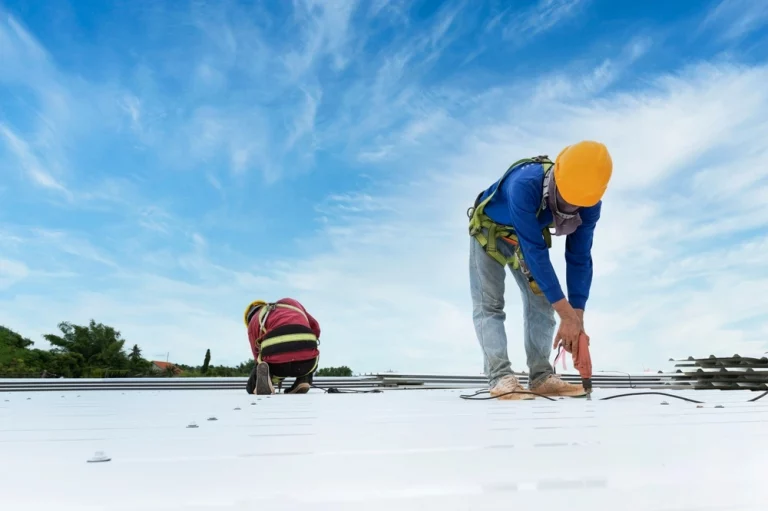
- Always wear safety gear: a long-sleeved shirt, particle mask, and protective gear to shield yourself from airborne particles and debris.
Executing Wall Removal
 Before you begin, ensure you have a clear plan and the right tools for wall removal, whether it’s a load-bearing wall or a non-load-bearing wall. Safety precautions are essential to minimize risk and damage to your property.
Techniques for Cutting and Dismantling
To remove a wall, you’ll start with demolition. For drywall, carefully cut through with a reciprocating saw and remove the panels. You might encounter plaster, which can create more dust; ensure to have protective gear on. Use a circular saw to score any remaining material, being careful not to damage any hidden pipes or wires.When approaching wall studs, nails and screws securing the wall materials need to be removed. Utilize a hammer or a pry bar to pull nails out. For screws, especially long or stubborn ones, snap them off with a sledgehammer or unscrew them as needed, being mindful of potential structural support they may provide.Handling Electrical and Plumbing
If your wall contains electrical wiring, turn off the power at the circuit breaker. Verify with a voltage tester that the power is indeed off before proceeding. Should you find plumbing within the wall, shut off the water supply to avoid leaks and water damage.For load-bearing wall removal, consult blueprints or hire professionals like architects or builders to ensure structural integrity isn’t compromised. DIYers should not attempt alterations on load-bearing walls without expert guidance, as improper wall removal can lead to serious structural issues.Structural Reinforcement
When you remove a load-bearing wall, it is crucial to provide adequate structural reinforcement to maintain the integrity of your home. This usually involves installing beams or headers to redistribute the load the wall previously supported.Installing Beams and Headers
To replace the support given by a load-bearing wall, a horizontal beam or header must be installed. This support beam will carry the weight from above, which was once borne by the wall. Selecting the right beam is critical, and types vary; they can be made from wood, steel, or laminated veneer lumber (LVL). You’ll need to carefully calculate the size and load capacity needed based on the span and the weight they need to support. Typically, two jack studs at each end of the beam bear the weight and transfer it down to the foundation.They are further reinforced by king studs on either side, which help to stabilize the entire structure. For wider spans, you may need additional headers or columns to distribute the weight more evenly. Consulting with a structural engineer is advisable to ensure that your beam or header is correctly specified for your needs.Inspecting and Reinforcing Foundations
Before installing new support structures, you must inspect the foundation to ensure that it can handle the redistributed loads. The last thing you want is structural damage due to an inadequate foundation. If your structural engineer determines that your foundation requires reinforcement, this can involve underpinning the existing foundation with more concrete or installing additional supports, such as footing pads or piers. Accurate inspection and potential enhancement of the foundation are essential steps for maintaining your home’s structural integrity and preventing any future issues.Post-Demolition Finishing
 After a successful wall removal, it’s imperative to address the aftermath that affects the aesthetics and functionality of your space. The key areas to focus on are the patching and painting of walls, as well as the restoration of floors and ceilings to ensure a seamless finish.