Key Takeaways
- Safety gear and proper tools are crucial for effectively removing tiles from concrete.
- Expect a strenuous process that involves significant labor and time.
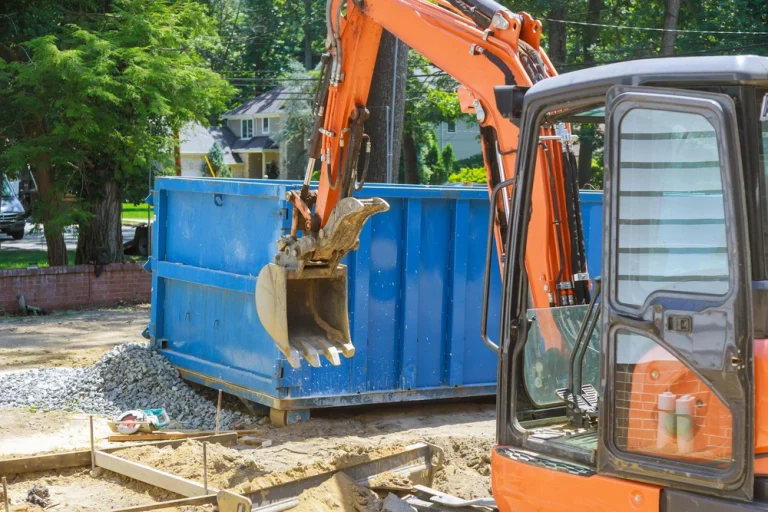
- Post-removal cleanup is important, with a roll off dumpster rental recommended for waste disposal.

Safety Precautions
Removing floor tiles from concrete requires attention to safety. Both the preparation of your workspace and the actual removal process present various risks, so it’s important to protect yourself adequately.Personal Protective Equipment
- Gloves: Wear heavy-duty work gloves to protect your hands from sharp tile edges and tools.
- Eye Protection: Safety goggles are essential to shield your eyes from flying debris.
- Respiratory Mask: A dust mask or N95 respirator will help keep harmful airborne particles out of your lungs.
- Ear Protection: Use earplugs or earmuffs when using loud power tools to prevent hearing damage.
- Footwear: Wear sturdy boots with a steel toe to guard your feet against dropped tools or broken tiles.
Handling Tools and Materials
- Chisels and Hammers: Understand the correct use of a chisel and hammer when lifting tiles to avoid injuries.
- Power Tools: If using power tools like an angle grinder, follow the manufacturer’s instructions and use a diamond-tipped blade specifically for cutting tiles.
- Lifting Techniques: Always lift with your legs, not your back, to prevent strain, especially when removing large sections of tile.
- Tile Disposal: Dispose of broken tiles immediately to reduce the risk of tripping or cutting yourself on sharp remnants.
Tools and Materials Required
When planning to remove floor tiles from concrete, you need to ensure you have all the necessary tools and materials at the ready. This ensures efficiency and safety throughout the process.Essential Tools:- Masonry Chisel: Indispensable for breaking up tiles and mortar.
- Heavy Hammer: A 3-5 pound maul is ideal for working alongside the masonry chisel.
- Pry Bar or Floor Scraper: For lifting the broken tile pieces and scraping residue.
- Dust Mask: To protect against airborne particles.
- Safety Goggles: To shield your eyes from flying debris.
- Gloves: To protect your hands during the task.
- Broom and Dustpan: For initial cleaning of the area.
- Shop Vac: For thorough removal of dust post tile removal.
- Putty Knife: Useful for smaller areas of residue.
- Heavy-duty Bags or Wheelbarrow: For debris transport.
Preparation and Assessment
 Before you embark on the journey of removing floor tiles from concrete, it’s essential to prepare thoroughly and assess the current state of your flooring. A well-prepared workspace and a clear understanding of the task at hand will set the stage for a successful removal project.
Assessing the Condition of Tiles and Concrete
Begin by determining the status of the tiles and the concrete beneath. Check for any signs of damage or loose tiles, which can indicate the adhesion strength. It’s important to note the type of tile you’re dealing with as some tiles, like porcelain, may require different techniques compared to ceramic tiles. Additionally, inspect the concrete for cracks or uneven surfaces as these may affect the removal process or preparation for the new flooring.- Tile Condition: Look for cracks, chips, or loose tiles.
- Adhesive Strength: This will affect the difficulty of removal.
- Concrete State: Identify any damages or irregularities in the concrete.
Clearing the Area
Before you start, clear out furniture and remove any obstacles from the work area. This step ensures that you have ample room to maneuver your tools and prevents any unnecessary accidents or damages to your property.- Remove Furniture: Ensure the work area is empty.
- Safety Measures: Keep the area free of tripping hazards.
- Accessibility: Ensure easy access for the removal of debris.
Removing the Tiles
When tackling the project of removing floor tiles from concrete, the right technique can make the process more efficient and less labor-intensive. Whether you opt for manual labor or power tools, safety and thoroughness are crucial for preparing your concrete floor for its next surface.Manual Tile Removal Method
To remove tiles manually, you will need a few hand tools to get the job done effectively. Begin by using a masonry chisel and a heavy hammer, such as a 3-5 pound maul, to break up the tiles and mortar. Position the chisel at an angle to the tile and strike firmly with the hammer. You may also find a pry bar particularly useful for lifting and prying up the stubborn tiles. After breaking the tiles, use a putty knife to scrape away the residual adhesive.- Tools Required:
- Masonry chisel
- Heavy hammer (3-5 lbs)
- Pry bar
- Putty knife
- Safety Gear:
- Safety glasses
- Work gloves
- Knee pads
Power Tool Removal Method
For a more powerful approach, power tools will expedite the tile removal process. A rotary hammer or a demolition hammer fitted with a chisel bit can dramatically reduce the time and effort required. When using these tools, focus on the grout lines and edges of the tile to lift them away from the concrete substrate. For edges and corners where larger tools can’t reach, a handheld grinder is ideal.- Tools Required:
- Rotary hammer or demolition hammer
- Chisel bit
- Handheld grinder
- Safety Gear:
- Ear protection
- Dust mask
- Safety glasses
Cleanup and Disposal
 After you’ve successfully removed floor tiles from your concrete surface, the next vital step involves cleanup and disposal. Managing the aftermath ensures a safe work environment and prepares the area for any subsequent renovations.
Gathering Debris
- Begin by collecting large pieces of tile with gloves to protect your hands.
- Sweep up smaller debris with a stiff-bristled broom into a dustpan.
- For fine dust, use a shop vac equipped with a filter capable of handling concrete dust, which can be hazardous to your health if inhaled.
Proper Disposal Methods
- Check local regulations regarding the disposal of construction materials.
- Large tile fragments can be disposed of in contractor bags.
- Recycle or hire a waste removal service equipped to handle construction debris.
- Adhesive residue and smaller particles should be collected and disposed of according to the hazardous waste guidelines in your area.