Key Takeaways
- Termite damage can range from superficial to structural, requiring varying levels of repair.
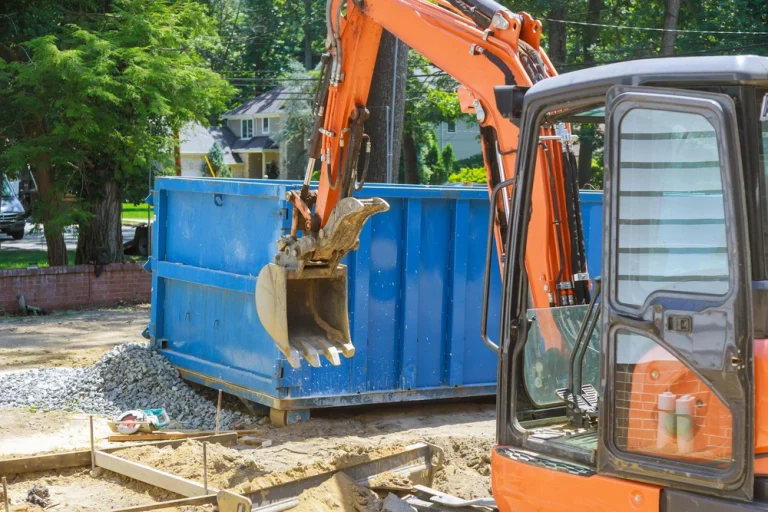
- Managing repair waste may require renting a small dumpster for debris disposal.
- Consulting professionals is advisable for significant termite damage to ensure safe and thorough repairs.

Understanding Termite Damage
When dealing with termite damage, it’s critical to both recognize the signs and gauge the severity to plan proper repair strategies. Your home’s wooden structures are at risk, and remaining vigilant can save you significant repair costs and structural headaches.Identifying Signs of Termite Damage
Termite damage often remains hidden within walls, but certain indicators can alert you to their presence. Be on the lookout for:- Mud tubes: These pencil-sized tunnels made from soil and termite droppings often appear near the foundation of your home, serving as pathways for termites.
- Hollow or Blistered Wood: Tap on wooden structures; a hollow sound can suggest internal damage. Additionally, blistering pieces of wood might indicate termites feeding within or below the surface.
- Uneven or Bubbling Paint: This could signal moisture issues or termite droppings, which disrupt paint adhesion.
- Frass: Termites create small holes in wood to push out their droppings, leading to tiny piles of what looks like sawdust.
Assessing the Extent of the Damage
Once you’ve found signs of termites, it’s essential to determine how deeply the infestation has penetrated. Small, surface-level damage in non-load-bearing elements might be a convenient DIY fix. However, if termites have compromised the structural integrity of load-bearing walls or wooden beams, professional assessment is paramount. Structural damages are not only difficult to repair but can also pose significant safety risks if not addressed promptly and effectively.Preparing for Repairs
Before commencing any repair work for termite damage, you need to ensure that the infestation has been fully eradicated and assess the damage extent. This foundation helps you prepare effectively for the necessary repairs.Conducting a Thorough Termite Inspection
First, arrange for a professional termite inspection to confirm that the termites have been eliminated and to help you understand the severity of the damage. Inspection reports not only outline the affected areas but may also provide insights into potential vulnerabilities in your home’s structure. Keep your inspection contracts and reports for reference, as they can guide you on the specific repairs needed and may be useful for insurance purposes.Choosing the Right Materials and Tools
Once you’ve identified the damaged areas, select materials that will restore the integrity of your structure and ward off future infestations. For wood structures, treated lumber or termite-resistant materials like composite materials can be considered. Gather the necessary tools for the job, which can range from simple hammers and nails to more significant power tools for extensive repairs.Ensure that you have a clear idea of the damage costs; smaller fixes might only require basic DIY tools, whereas major damages could necessitate professional-grade equipment. Always opt for quality materials to avoid premature wear and repeated fixes.Remember, the success of your repair work heavily relies on the initial preparation — addressing the termite problem thoroughly and choosing the right repair strategy are key steps in protecting your home from future termite damage.Performing Termite Damage Repairs
 Before you begin repairs, ensure the termite infestation is eradicated. It’s important to differentiate between cosmetic fixes and structural repairs, as they each require specific approaches.
Handling Minor Cosmetic Damage
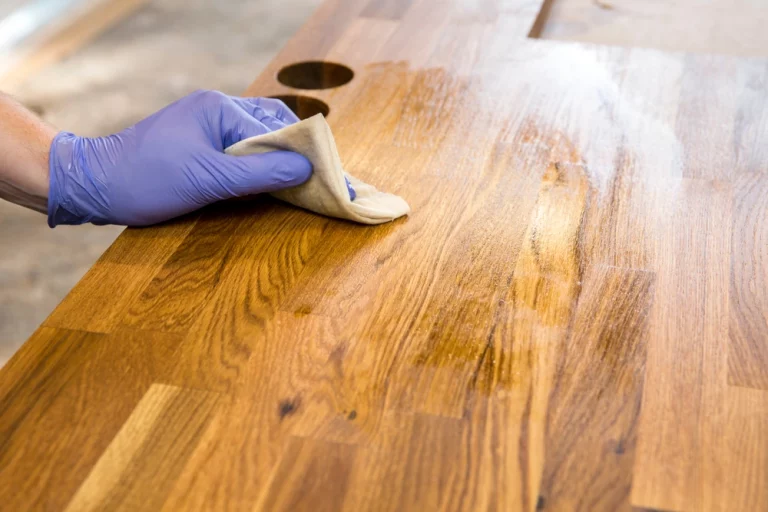
For minor cosmetic damage, such as surface-level nicks or divots, you will typically use wood fillers to patch the wood. Apply the wood filler to the damaged area, smooth it out, and allow it to dry completely. Once dried, sand the area to match the surrounding wood surface. If the wood’s surface integrity is compromised, use a wood hardener before applying filler to solidify the affected area.Repairing Structural Termite Damage
Structural damage requires more extensive work to ensure the structural integrity of your home. For beams and load-bearing elements severely weakened by termites, you may need to remove and replace the damaged wood. This process involves carefully cutting out the damaged section and replacing it with new, treated wood, which should be integrated securely into the existing structure. If the damaged area is not extensive, reinforce the wood with sister joists or plywood bracing to restore stability. Always consult a professional to evaluate the damage and propose the best course of action for repairs.Termite Remediation Techniques
When facing a termite infestation, it’s crucial to understand your options for remediation. These solutions not only eradicate existing colonies but also help prevent future invasions.Chemical Treatments and Bait Systems
Chemical treatments involve using termiticides, which are specifically designed pesticides that target termites. These substances can be applied in liquid form to create a barrier in the soil around your home. Some of the most effective chemical barriers are non-repellent, meaning termites cannot detect them and will inadvertently pass through, acquiring the poison and spreading it to the colony.Bait systems, on the other hand, use cellulose-based food combined with a slow-acting insecticide. You should strategically place bait stations around the perimeter of your home to attract foraging termites. Once termites feed on the bait, they share it with their nest-mates, which ultimately leads to the collapse of the colony.Non-Chemical Treatment Options
For those inclined towards non-chemical termite control methods, there are several effective strategies. One such approach is physical barrier installation during construction, utilizing materials that termites cannot penetrate. Similarly, heat treatments can exterminate termites by raising the temperature in the infested area to levels that are lethal to termites. Fumigation, although not chemical-free, does not leave residual chemicals in your home and can be suitable for widespread infestations.Remember, each method has its benefits and limitations, and often a combination of treatments is necessary for comprehensive termite prevention and control.Preventing Future Termite Infestations
 After repairing damage caused by termites, it’s crucial to prevent the possibility of future infestations. Here are some effective strategies:
- Maintain Proper Ventilation: Ensure that your home’s crawl spaces, attic, and basements are well-ventilated. Proper airflow reduces moisture buildup, which termites find attractive.
- Control Moisture: Fix leaks promptly and ensure drainage directs water away from your foundation. Use dehumidifiers in damp areas to keep moisture levels low.
- Routine Maintenance: Regularly inspect your home for signs of termite activity. Look for mud tubes, damaged wood, or termite wings. If you discover any evidence, contact a termite control professional immediately.
- Use Treated Lumber: For any new construction or repairs, consider using treated lumber that is resistant to termite damage. This can be especially important for structures in contact with the ground.
- Professional Treatment Plan: Work with a licensed termite control professional to create a customized treatment plan. This might include soil treatments, bait systems, or wood treatments.
| Do | Don’t |
|---|---|
| Schedule annual inspections. | Ignore cracks in your home’s exterior. |
| Seal entry points like gaps and cracks. | Let wood in your home contact soil. |
| Store firewood away from your house. | Permit standing water near your home. |