Key Takeaways
- Proper planning and site evaluation are essential.
- Renting a roll-off dumpster from Waste Removal USA aids in debris management.
- Address potential landscape issues to avoid future problems.

Understanding Retaining Walls
Retaining walls are critical for maintaining the structural integrity of landscapes and preventing soil erosion. These structures play a pivotal role in managing water runoff and ensuring that slopes remain stable.Functions and Importance
Retaining walls are primarily built to hold back soil and prevent it from sliding or eroding. By doing so, they help prevent structural damage to nearby buildings. They also prevent landslides and control water runoff, thus playing a significant role in erosion management.Moreover, retaining walls enhance landscaping by creating level areas on sloped terrains, allowing for more functional outdoor spaces. These walls are also essential in maintaining the stability of hilly and uneven terrain, preventing the downward movement of soil, which can undermine the foundation of adjacent structures.Different Types
There are several types of retaining walls, each catering to specific needs and conditions. Gravity walls rely on their own weight to hold soil in place. Cantilevered walls are reinforced with steel bars and use leverage to retain soil. Sheet piling walls are thin walls driven into the ground and are commonly used in tight spaces or soft soils.Anchored walls use cables or other stays anchored in the rock or soil behind the wall. Segmental retaining walls are modular blocks that interlock and are ideal for curved designs. For a clear example of a versatile system, the Redi-Rock retaining wall offers flexibility and ease of installation.Retaining Wall Design Considerations
When designing a retaining wall, several factors must be considered to ensure both functionality and durability. Load-bearing capacity is crucial; the wall must support the weight of the soil and any additional loads, such as vehicles or buildings. Proper drainage is essential to prevent water pressure from building up behind the wall, which can cause failure.Material selection is also critical. Concrete, stone, and wood are common choices, each with its own set of advantages. Aesthetic appeal should not be overlooked, especially if the wall is a prominent feature in your landscape. If you’re planning a project, using a concrete dumpster rental can help manage debris and keep your site clean.Preparing for Retaining Wall Removal
Accurate preparation is crucial for retaining wall removal. Among the key steps, you should assess the wall’s condition, determine if it is load-bearing, and identify potential risks.Assessment of Retaining Wall Condition
Begin by thoroughly inspecting the retaining wall. Look for any visible signs of wear such as lean, tilt, or cracks. These indicators suggest structural weaknesses that could complicate removal.Consulting a structural engineer is advisable for a professional evaluation. They can give detailed insight into the wall’s structural integrity. Proper assessment helps in planning an efficient and safe removal process, ensuring no unexpected complications arise.Determining If a Wall is Load-Bearing
It is essential to determine if the retaining wall is load-bearing. A load-bearing wall supports the weight of structures behind it, and removing it without proper planning could cause significant issues such as landslides or erosion problems.Check for any attachments to the main structure or nearby slopes. A professional analysis usually includes a soil and structural assessment. This step ensures that the removal does not compromise the stability of surrounding areas or structures.Identifying Potential Risks
Identify and plan for potential risks associated with retaining wall removal. Risks can include water damage, erosion, and landslides. You should consult with a structural engineer to understand these risks thoroughly.Utilize a construction dumpster rental to manage debris and maintain a clean work area. Clear planning and risk management are crucial to ensure safety and effectiveness during the removal process. Taking these steps can prevent unforeseen problems and ensure a smooth project execution.The Removal Process
 Removing a retaining wall involves planning and careful execution to ensure safety and effectiveness. You’ll need to consider initial steps and precautions, demolition techniques, and appropriate debris and waste management.
Initial Steps and Precautions
Before beginning the tear down of a retaining wall, clear the area by removing plants, trash, and obstructions. Consult a professional to analyze the soil and nearby areas, as retaining walls support soil and prevent erosion. Without a proper assessment, removal could lead to erosion, water damage, or potential landslides.Use protective gear such as helmets and gloves. Establish a safe perimeter to keep unauthorized individuals away from the construction site. Locate and mark any utility lines to prevent accidents during demolition.Demolition Techniques
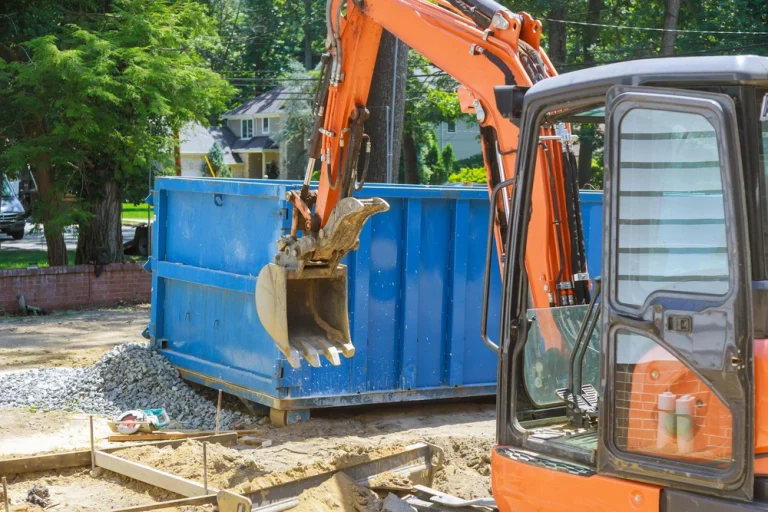
Begin by loosening the top layers of the retaining wall using a sledgehammer or jackhammer. Progressively work your way down to avoid sudden collapses that may cause injury. For larger structures, mechanical equipment like excavators may be necessary.Carefully remove wall segments to maintain control and prevent debris from scattering unpredictably. For complex projects, renting a roll-off dumpster can facilitate the collection and disposal of debris, ensuring a safe and clean work area.Debris and Waste Management
Effective debris and waste management is crucial once demolition is complete. Segregate hazardous materials such as concrete and metal for specialized disposal. Utilize a roll-off dumpster to gather and remove the bulk of the debris. Waste Removal USA offers suitable roll-off dumpsters, helping to streamline the disposal process.Transport the accumulated debris to a recycling facility if possible, adhering to local regulations on waste disposal. Clean the site thoroughly to prevent environmental hazards and prepare the area for any subsequent construction or landscaping work.By taking these steps, you can ensure a smooth and safe retaining wall removal process.Post-Removal Considerations
After removing a retaining wall, there are several critical steps to prevent issues such as erosion, soil instability, and potential damage to surrounding structures. Proper planning and immediate action are required to address these challenges effectively.Landscaping and Soil Stabilization
Once the retaining wall is removed, you must prioritize soil stabilization to prevent erosion. Consider planting ground cover or grasses with strong root systems that hold the soil in place.Another method is to install silt fences or erosion control blankets along the excavated area. These materials are designed to trap soil and reduce water runoff.If the removal project generates significant debris, renting a roll-off dumpster can help manage waste efficiently. This makes cleanup easier and keeps the site clear for additional stabilization work.Consider contouring the land to improve drainage and reduce water accumulation, which can contribute to soil erosion. Proper grading ensures that water flows away from critical areas and does not pool near foundations or other important structures.Repairing Surrounding Areas
After removing the wall, inspect nearby structures, such as foundations, for any potential damage. Look for cracks or signs of instability that may have been caused by the wall’s removal.If damage is found, consider hiring a foundation repair specialist to address these issues promptly. Ignoring minor damage can lead to more significant, costly problems over time.You might also need to repair landscaping elements affected during the demolition. Replanting trees, shrubs, or other vegetation helps restore the aesthetic appeal of the area and contributes to soil stabilization.Additionally, check for any irrigation systems or underground utilities that may have been disrupted. Repairing these promptly ensures that your landscape remains functional and reduces the risk of future damage.Professional Help and Legal Requirements
 Removing a retaining wall often demands professional expertise and a clear understanding of legal requirements. You need to ensure compliance with local regulations and assess the structural integrity of the site to avoid complications.