Key Takeaways
- Efficient debris removal is critical for roadwork safety.
- Construction dumpster rentals streamline debris management.
- Proper protocols and equipment ensure effective debris handling.

Roadwork Debris Removal Overview
Roadwork debris removal ensures safety and smooth traffic flow. Key points include the types of materials often found and the critical need for swift removal to prevent hazards.Types of Roadwork Debris
During roadwork, various types of debris must be managed. Materials like plastic, glass, wood, and metal commonly accumulate and pose significant risks.Plastic debris can include leftover barriers or construction tape. Glass shards might come from broken streetlights or vehicle windows. Wood, often used in temporary structures, can break and scatter. Metal debris like nails or broken tools can puncture tires or cause injuries.Understanding these types ensures you can plan effective removal strategies. Each material requires distinct handling and disposal methods to maintain road safety.Importance of Timely Removal
Timely debris removal from roadwork sites is crucial for public safety and efficient traffic flow. Accumulated debris can pose hazards to both vehicles and pedestrians, potentially causing accidents or injuries.Leaving debris like glass or metal unchecked can lead to tire punctures or even more severe damage. Wood and large metal pieces obstruct traffic, leading to congestion and delays. Swift removal reduces these risks, ensuring a safer environment.Moreover, timely clearing of debris demonstrates responsible management and adherence to regulations, which can prevent legal complications. Ensuring roads are clear of hazards maintains public trust and supports smoother transportation logistics.Safety Protocols
When conducting roadwork debris removal, it is crucial to ensure the safety of both workers and the public. This involves specific measures to protect workers, ensure public safety, and manage traffic effectively.Protecting Workers
Worker safety is paramount during roadwork debris removal. You should provide all workers with personal protective equipment (PPE) such as helmets, gloves, and high-visibility vests.Implement proper training procedures to ensure that workers understand the risks and safety protocols. Establish a system for regular safety briefings before shifts.Create clear guidelines for the use of machinery and tools to prevent accidents. Enforce strict adherence to these guidelines. Maintain communication lines among all crew members, using radios or other devices to coordinate actions and respond to emergencies promptly.Ensuring Public Safety
Public safety around roadwork zones requires diligent planning and implementation. Designate secure areas to prevent unauthorized access to hazardous zones.Use signage and barriers to alert pedestrians and drivers to the work area. This includes clear warnings about potential hazards like falling debris.Monitor public access points and employ personnel to guide residents and visitors safely through or around the work zone. Set up emergency contact points for public inquiries and rapid response to incidents.Traffic Control Measures
Effective traffic control measures are critical to maintaining order and safety during debris removal. Use temporary traffic control devices such as cones, barriers, and signs to direct traffic flow.Implement detours and lane closures strategically to minimize disruption. Ensure that detour routes are clearly marked and capable of handling diverted traffic.Deploy trained traffic control personnel to manage intersections and high-risk areas. Ensure they are equipped with high-visibility clothing and appropriate signaling tools.Regularly assess and adjust traffic control measures based on changing conditions or feedback from on-site personnel and the public to maintain efficiency and safety.Equipment and Techniques
 When it comes to roadwork debris removal, having the right tools and strategies can make the process more efficient and safe. Proper equipment is essential for effective collection, and innovative methods can improve both speed and safety.
Collection Tools
Effective debris removal starts with the basic collection tools. Items like brooms, shovels, and wheelbarrows are essential for small-scale debris. For more extensive roadwork, street sweepers are crucial. These machines can quickly clear roads, sidewalks, and other surfaces of dust, dirt, and small debris.Using heavy-duty collection tools, such as industrial vacuum trucks, helps in picking up fine particles that sweeping alone might miss. These trucks are especially useful in urban areas, ensuring cleanliness and aiding in the overall safety of the surroundings.Construction Dumpster Rentals
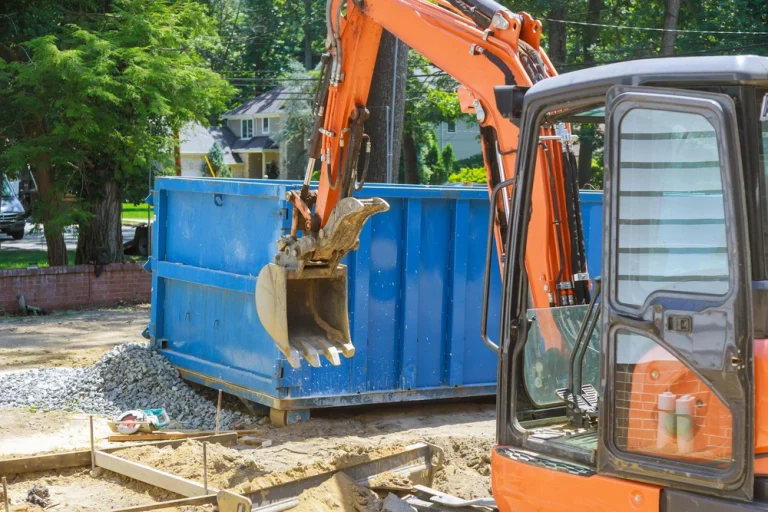
Renting construction dumpsters is a practical solution for managing roadwork debris. These large containers can hold various types of waste, from concrete chunks to asphalt and other substantial materials. Your team can easily dispose of large amounts of debris in a single go, which enhances efficiency on larger projects.Dumpsters are available in different sizes, making them adaptable to the specific needs of a project. Regular pickups by waste management services ensure that the worksite remains clean and free of accumulated debris, which could otherwise pose a hazard.Heavy Machinery
Heavy machinery plays a pivotal role in the removal of roadwork debris. Excavators, bulldozers, and skid-steer loaders are commonly used to handle large or heavy debris that manual labor cannot efficiently manage.Excavators are useful for lifting and transporting materials, while bulldozers can push debris into manageable piles. Skid-steer loaders are versatile and can navigate tight spaces, making them invaluable for urban roadwork projects where space is limited.Innovative Removal Methods
Innovative methods can bring significant improvements in the efficiency and safety of roadwork debris removal. One such method is the use of hydro-excavation, which employs high-pressure water to break up debris and a vacuum to remove it. This technique is minimally invasive and can protect underground utilities.Implementing automated debris collection systems can streamline the process. Examples include robotic sweepers and drones equipped with cameras for monitoring debris levels and directing cleanup activities. These advanced technologies reduce the need for manual intervention and improve overall operational efficiency.By integrating these diverse equipment and techniques, you can ensure a safer and more effective roadwork debris removal process.Handling Specific Debris Types
Different types of debris require specialized approaches for safe and efficient removal. Here we explore the best practices for managing natural debris and hazardous materials during roadwork.Natural Debris
Natural debris often comprises trees, leaves, branches, and other vegetative matter that frequently accumulates during storms or from routine maintenance. This type of debris requires prompt removal to prevent blockages and maintain clear, safe roadways.Clearing trees and branches is crucial, especially those that obstruct roads or damage structures and utilities. Use chainsaws and wood chippers to handle large tree trunks and stumps. Coordinate with local governments to schedule pickup and disposal of vegetative debris, ensuring it is placed at the curb for collection as stated by FEMA guidelines.Brush and leaves can be composted or mulched, reducing landfill use. Smaller natural debris like grass clippings and leaves might be handled differently to avoid clogging drainage systems.Hazardous Materials
Handling hazardous materials requires strict adherence to safety protocols and federal regulations. This category includes items like asbestos, lead paint residues, and chemicals commonly found during demolition or road maintenance.When dealing with asbestos or lead paint, workers must wear protective gear and follow EPA guidelines for containment and removal. These materials must be disposed of at specially designated facilities to prevent environmental contamination.Chemicals from storm debris, such as motor oil and pesticides, must be isolated and handled by certified hazardous waste handlers. Ensuring accurate documentation and tracking of hazardous materials, as suggested by the Debris Monitoring Guide, is essential to mitigate risks to public health and the environment.Traffic Management
 Effective traffic management involves using active lane strategies and coordinating closely with authorities to ensure safe and efficient removal of roadway debris. These measures help to maintain smooth traffic flow, reduce accident risks, and protect both drivers and roadworkers.
Active Lane Strategies
Active lane strategies are crucial for managing traffic around debris removal sites. Dynamic lane closures can be implemented to temporarily divert traffic around the area. This helps to minimize congestion and protect workers on the roadway.Using portable traffic signals and electronic message boards provides real-time updates to drivers. This ensures that drivers are well-informed about lane changes or closures ahead.LaneBlade® systems, as developed by J-Tech, offer another effective solution for quickly clearing debris while keeping the operator safe in the cab. Such systems help to limit the need for manual debris removal, reducing risks.Sharing lane usage data with navigation apps can also improve traffic management. Drivers using such apps receive real-time route adjustments, helping to further alleviate congestion around debris removal zones.Coordinating with Authorities
Effective coordination with local traffic authorities and emergency responders is essential. Agencies like the Missouri Department of Transportation have developed specialized devices for clearing road debris, showcasing the importance of agency-specific solutions.Pre-event planning ensures that roles and responsibilities are clearly defined. Regular communication protocols are set to ensure that all parties are informed of real-time conditions and any changes in debris removal tactics.Integrated Traffic Incident Management (TIM) teams work together, bringing traffic control, scene stabilization, and incident maintenance response under a unified command. IncidentClear offers a model for this approach, combining multiple response elements to streamline operations and improve safety.By having a well-coordinated effort, you’ll ensure minimal disruption to active travel lanes and enhance overall roadway safety.Legislation and Compliance
Understanding the specific laws and guidelines that govern roadwork debris removal is essential. These regulations ensure safety, efficiency, and environmental protection during the cleanup process.Local and Federal Regulations
Local governments play a crucial role by implementing specific ordinances that outline how roadwork debris should be managed. These policies can include requirements for waste segregation, hazardous material handling, and disposal methods.Federal regulations, such as those from the Environmental Protection Agency (EPA), ensure that debris removal does not negatively impact air and water quality. Compliance with these regulations helps prevent fines and health risks. Maintaining detailed records and following best practices ensures adherence to these rules.FEMA Guidelines
The Federal Emergency Management Agency (FEMA) provides comprehensive guidelines on debris removal, especially in the wake of natural disasters. FEMA’s Public Assistance Program outlines eligibility criteria and procedural requirements that communities must follow.These guidelines aim to streamline operations and maximize efficiency while securing federal funding. FEMA also encourages proactive debris management planning, which includes strategies for immediate response and long-term recovery. You can find detailed frameworks in FEMA’s Public Assistance Debris Management Guide.Following these protocols not only expedites recovery efforts but also ensures that financial reimbursements are processed smoothly. Using FEMA’s resources ensures that communities adhere to federal standards while managing debris effectively.Environmental Considerations
 Environmental considerations during roadwork debris removal play a critical role in protecting ecosystems and minimizing impacts on community welfare. Key aspects involve waste reduction and the proper handling of recycled materials and disposal processes.