Key Takeaways
- Effective tar removal depends on the strategy and product used for the specific situation.
- Safety measures and correct preparation of the area are essential before starting the removal process.
- Regular maintenance and preventive measures can minimize the need for intensive tar removal efforts in the future.

Understanding Roofing Tar
Roofing tar is a vital material used in construction for its waterproofing properties. It’s essential for preserving various types of roofs by protecting them from the elements.Types of Roofing Tar
There are primarily two types of roofing tar, each with distinct properties:- Asphalt: Derived from petroleum, this is the more commonly used type of roofing tar. It is utilized for its durability and is suitable for a variety of climates.
- Coal Tar: Tough and resistant to ultraviolet light and chemical exposure, coal tar is made from the by-products of coal processing.
Common Applications
Roofing tar has a variety of uses in building construction, most notably involving:- Flat Roofs: Ideal for creating seamless surfaces, roofing tar is often applied to flat roofs because it creates an impermeable barrier.
- Metal Roof: For metal roofs that require sealing at joints or seams, a specially formulated roofing tar can prevent leaks.
- Shingles: Roofing tar is sometimes used under shingles as an extra layer of protection against moisture infiltration.
Safety and Preparation
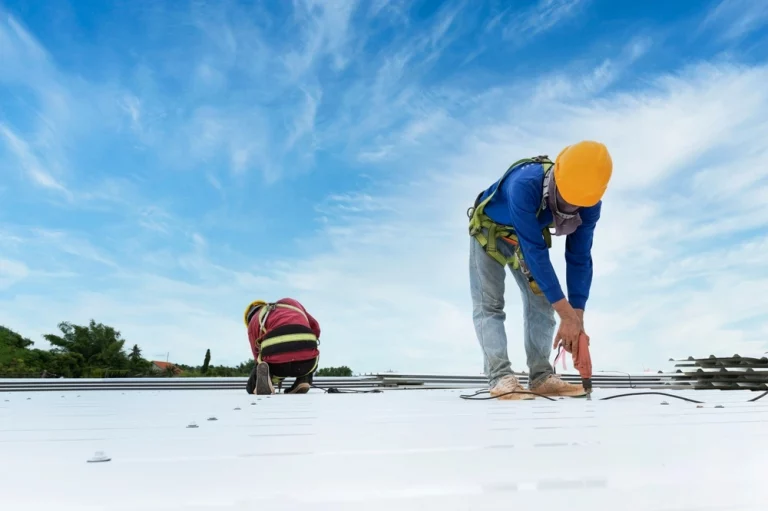
Before removing roofing tar, prioritizing your safety is crucial. Adequate preparation involves gathering protective gear and the required materials, all intended to prevent injury and ensure an incident-free process.Protective Measures
Your Personal Safety:- Eyes: Always wear safety goggles to shield your eyes from accidental splashes of tar remover, which could be hazardous.
- Hands and Skin: Use rubber gloves and wear protective clothing to minimize skin contact with tar remover as it may contain toxic substances.
- Be mindful of your work environment; ensure good ventilation to combat potential flammable vapors released during tar removal.
Equipment and Material
Tools You’ll Need:- Ladder: A sturdy ladder is essential for safely reaching roofing tar applications.
- Covering: Use drop cloths or plastic sheeting to protect surrounding areas from spills or splatters, which can be tricky to clean and pose environmental concerns.
Tar Removal Techniques
 Removing roofing tar from metal surfaces requires careful consideration of the method used to ensure effectiveness without damaging the material. Whether through manual scraping, applying specialized chemicals, or using heat, the right approach can make the task manageable.
Mechanical Methods
Mechanical methods for tar removal are direct and can be effective for small areas or when the tar is fresh. You can use a scraper or a putty knife to gently lift away the tar without scratching the metal surface. For tougher tar or larger areas, a wire brush may be appropriate, but use it with care to avoid abrasion. In scenarios where the tar coverage is extensive, a power washer might serve well, especially if it is combined with a suitable cleaning agent that softens the tar.- Tools: Scraper, Putty Knife, Wire Brush, Power Washer
- Caution: Avoid excessive force to prevent surface damage
Chemical Solutions
Chemical solutions are often necessary to dissolve stubborn tar deposits. Simple mixtures like ammonia and baking soda can create an effective paste for tar removal. Products like WD-40, oven cleaner, and mineral spirits also act as solvents that break down the tar. You might also encounter specialty lubricants or tar removers that can loosen and lift the tar, making it easier to wipe away. Be sure to wear gloves and protective eyewear, as these chemicals can be hazardous. It’s also important to test any chemical solution on a small, inconspicuous area first to ensure it does not damage the metal.- Effective Chemicals: Ammonia, Baking Soda, WD-40, Oven Cleaner, Mineral Spirits
- Safety Gear: Gloves, Protective Eyewear
- Quick Tip: Test on a small area before full-scale application
Heat Application
Applying heat can soften tar, making it less adherent to the metal surface. A heat gun can be directed at the area, softening the tar for easier scraping. However, take care not to overheat the metal, as it can cause discoloration or warping. After heating, a razor scraper can be used with precision to remove the tar. Once most of the tar is gone, wash the area with soap and water to cleanse any remaining residue.- Tool: Heat Gun, Razor Scraper
- Reminder: Monitor heat application closely to avoid metal damage
- Final Step: Clean the area with soap and water after tar removal
Cleaning and Post-Removal
After removing roofing tar, it’s crucial to address the leftover stains and restore the material’s cleanliness.Dealing with Residue
When you’ve scraped off the bulk of the tar, residues might still cling to the surface. Here’s how you can tackle them:- Concrete: Mix a solution of strong soap and water, scrubbing the area with a soft cloth or a brush. Rinse well with clean water and repeat if necessary until you’ve eliminated the remnants.
- Fabric: Apply a solvent appropriate for the fabric type to lift the stain. Blot gently with a paper towel, working from the outside in to prevent spreading the tar. Launder separately using the hottest water safe for the fabric.
Surface Treatment
Post-cleaning treatment varies by material:- Concrete: After cleaning with soap and water, you may need to follow up with a concrete cleaner to remove any shadow stains.
- Fabric: For stubborn stains, pre-treat with a stain remover before laundering. Use a soft cloth to apply the treatment and avoid harsh scrubbing, which can embed the stain deeper.
Maintenance and Prevention
 To ensure the longevity of your roof and to minimize the need for significant repairs, regular maintenance and the application of preventative measures are critical. These strategies not only protect against water infiltration but also prevent the build-up of grease and other substances that can degrade roofing materials.
Regular Inspection
- Frequency is Key: It’s essential to inspect your roof regularly. Check for early signs of damage at least twice a year, ideally during the spring and fall.
- Look for Cracks: Examine the surface for cracks or splits in the roofing tar.
- Inspect for Debris: Clear away any debris, such as leaves and twigs, that can trap moisture.
- Check for Sticking Gravel: On gravel and tar roofs, ensure the gravel isn’t sticking to the surface or embedding into the tar, as this can indicate softening.
- Search for Pooled Water: Identify areas where water pools, potentially indicating a compromised waterproof layer.
Protective Coatings
Apply Waterproofing: A waterproof coating is an effective preventive measure to shield your roof from water damage.- Choose the Right Coating: Select a coating appropriate for your building’s roofing material, whether it’s rubber or another substrate.
- Reapply Regularly: Manufacturers typically recommend reapplication every few years—adhere to this for optimal protection.