Key Takeaways
- Sandpaper grit indicates the size of abrasive particles, vital for the right project finish.
- Coarse, medium, and fine grits cater to different stages, from rapid material removal to final smoothing.
- The correct sandpaper selection impacts both the efficiency and the quality of the final work.

Understanding Sandpaper Grit
When working on any surface, selecting the right sandpaper grit is crucial for achieving the desired finish. Your understanding of the grit scale and how grit numbers function is essential.Grit Scale Explained
The sandpaper grit scale is a measure of the size of abrasive particles on the sandpaper. Essentially, the lower the grit number, the coarser the sandpaper. Coarse grits are typically used for heavy material removal, while finer grits are used for smoother finishes and fine polishing. There are two main grading systems for grit size: CAMI (Coated Abrasive Manufacturers Institute), used primarily in the USA, and FEPA (Federation of European Producers of Abrasives), which is more common in Europe and uses the “P” prefix before grit numbers.How Grit Numbers Work
Grit numbers indicate the number of abrasive particles per square inch. A piece of 100-grit sandpaper contains 100 abrasive particles per square inch. As numbers increase, the size of the particles decreases, and thus the sandpaper becomes finer. For example, sandpapers with grit numbers between 60-80 are very coarse and suited for heavy material removal. Medium grits like 100-150 are multipurpose and are used for general sanding tasks. Fine grits ranging from 180-220 are perfect for final passes to prepare surfaces for finishing.Practical Applications
 When selecting sandpaper, you need to consider the material you’re working on and the specific task at hand. The right grit is crucial for the desired finish and efficient workflow.
Suitable Grits for Various Materials
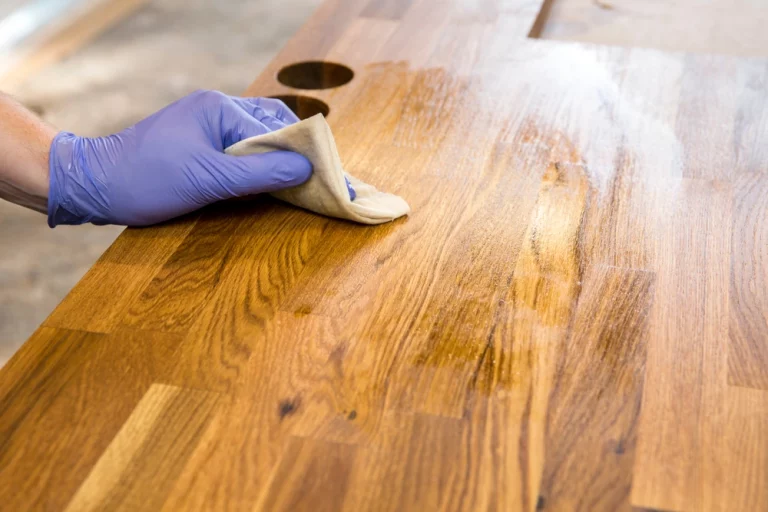
- Wood: For rough shaping, start with grits like 60-80, while finer grits such as 180-220 are better for final finishing touches.
- Metal: Begin with a coarse grit around 80 for rust or paint removal. Move to grits such as P320 or finer for polishing surfaces.
- Plastics: Typically, a medium grit, like 120-150, is used to smooth plastics, followed by a wet sanding process with higher grits for a polished finish.
Grit Selection for Different Tasks
- Stripping Paint: Start with a coarse grit like 60 and progressively move through the sequences to around 120 or 150 to smooth out the wood beneath.
- Preparing Surfaces for Painting: Use a medium grit like 120 to remove old finish, followed by a finer grit such as 180 to create a surface that allows the paint to adhere better.
- Final Finishing: A very fine grit, often between P320-P400, is ideal for finishing touches or between coats of varnish.