Key Takeaways
- Swedish death cleaning is a decluttering practice designed to lessen the burden on loved ones.
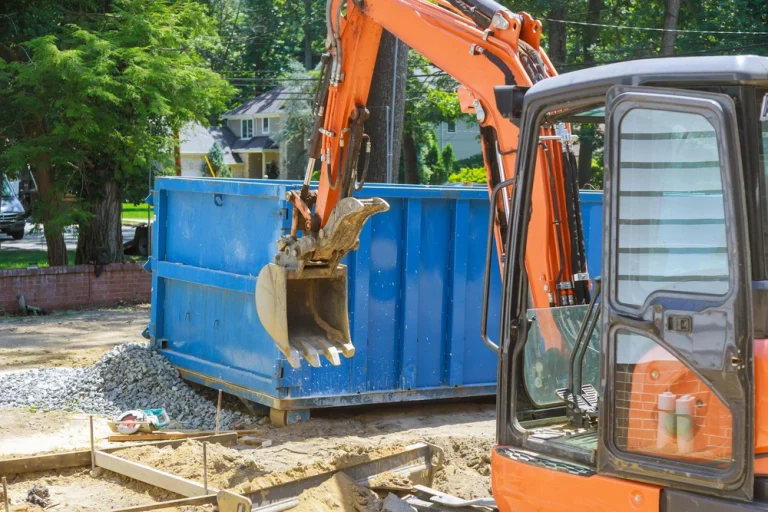
- Renting a small dumpster can facilitate efficient disposal during the cleaning process.
- The practice encompasses dealing with both physical and digital possessions.

The Philosophy of Swedish Death Cleaning
Swedish Death Cleaning, or ‘döstädning’, is a method of de-cluttering that urges you to systematically go through all your belongings to make your home neat and manageable. Its core philosophy is rooted in minimalism and thoughtfulness. It is about simplifying your life as you age, in the name of easing the burden on loved ones after you pass.The process involves examining your possessions and deciding what to keep, donate, throw away, or give to friends or family. The priority is to retain only what is necessary and what brings you joy. Here’s a simplified approach to embracing the philosophy of Swedish Death Cleaning:- Start with less sentimental items: Begin with the easy stuff.
- Categorize your belongings: Clothes, books, and bulky items first.
- Proceed to personal items: Photos, letters, and other sentimental objects later.
Getting Started with Death Cleaning
Swedish Death Cleaning, or ‘döstädning’, provides a structured approach for decluttering your life. This method not only helps in organizing physical items but also prepares for an eventual transition, making the process easier for loved ones.Understanding the Concept
Swedish Death Cleaning is a decluttering method that focuses on minimizing your belongings to reduce the burden on family after one passes away. It’s a thoughtful and purposeful way to approach the organization of personal possessions, ensuring you only keep what is necessary and meaningful.Setting Goals
Before you start death cleaning, determine what you want to achieve. Goals may include simplifying your living space, organizing important documents, or passing on cherished items to loved ones. Having clear, specific objectives will guide your efforts and make the process more manageable.Creating a Plan of Action
To efficiently undertake Swedish Death Cleaning, a structured plan is key.- Inventory: Begin by listing all areas of your home and digital presence that need attention.
- Schedule: Allocate time for each area, starting with the least sentimental items to build momentum.
- Sort Items: Categorize possessions into keep, discard, donate, or give away.
- Digitize: Consider scanning important papers or photos to reduce physical clutter.
Sorting Personal Belongings
 When approaching Swedish death cleaning, it’s crucial to break down the task into manageable categories. Tackle each section systematically to ensure a thorough process.
Clothing
Begin with your closet, where emotions are less attached. Sort your clothing into keep, donate, or discard piles, evaluating each item for its current relevance in your life. Aim for simplicity, retaining only pieces that you wear regularly or hold significant value.Books and Media
Examine your collection of books, DVDs, CDs, and magazines. Consider which items have been used recently and which remain on the shelf untouched. For items of value or of sentimental significance, think of family or friends who might appreciate them.Sentimental Items
Addressing sentimental items can be challenging. Begin by choosing a few treasured heirlooms to pass on, and share the stories behind them with your loved ones. It’s about celebrating memories rather than amassing possessions.Household Goods
Inspect your household items including kitchenware, decorations, and furniture. Do any of these goods serve a functional purpose or enhance your daily living? Be honest about what you use and need, and part with duplicate or unused items.Papers and Documents
Finally, sift through your papers and documents. Organize important legal documents into a clear filing system and safely dispose of unnecessary paperwork. This reduces the burden on your family and simplifies your own space.Cleaning Methodology
Swedish Death Cleaning is a purposeful and pragmatic process. Your goal is to reduce clutter and ensure your belongings reflect what truly matters to you.Keep, Discard, Donate
Firstly, examine each item and decide whether to keep, discard, or donate it. For clothes, separate them into these categories, as clothing often encompasses items that are no longer used or have lost their emotional value. Evaluate practicality and sentiment to determine their destination.Categorising Items
Categorising items is crucial for effective Swedish Death Cleaning. Group your belongings by type, such as books, kitchenware, or memorabilia. This practice not only simplifies the process but also helps you see the quantity of possessions within each category, making it easier to make objective decisions.Cleaning as You Go
Finally, clean as you go. After sorting through a category or clearing a space, take the time to clean it. This approach maintains organization and not only prepares the space for what’s kept but also ensures a clean and orderly environment for you to enjoy.Dealing with Sentimental Items
When addressing the challenge of sentimental items during Swedish Death Cleaning, it’s essential to balance emotional attachments with practicality. Establish a plan for selecting what to keep and what to let go.Emotional Attachment
You might find items that spark strong emotions or memories, which is often the hardest part of sorting through personal belongings. Begin by assessing the emotional value of each item. Ask yourself questions like: “Does this item bring me joy?” or “Will letting go of this item cause me regret?” Create a list of must-keep items and allow yourself some space for those non-negotiable keepsakes.Memory Preservation
For items you choose not to keep, consider ways to preserve their memories without retaining the physical objects. You could digitize photographs, create a scrapbook, or write down stories associated with particular objects. If you’re ready to part with the item, take a moment to acknowledge its importance and then you might donate, gift, or arrange a meaningful farewell ritual. This can help ease the transition of letting go.Making Tough Decisions
 Swedish Death Cleaning is not just about decluttering; it’s about introspection and determining what’s truly valuable to you. As you embark on this journey, remember that some choices will be simpler than others.
Letting Go of Items
To successfully let go of items, start by categorizing your possessions. Create a list with columns for ‘Keep’, ‘Donate’, ‘Sell’, and ‘Trash’. Evaluate each item based on its use, value, and emotional significance. Items that haven’t been used in years or have no special meaning can be easier to part with. Consider asking yourself if the item would be beneficial or burdensome for someone after you.Handling Heirlooms and Keepsakes
Heirlooms and keepsakes require a more delicate approach due to their emotional ties. It might be helpful to gather all such items in one place to holistically assess what you have. Ask your loved ones if there are specific pieces they would like to inherit. This conversation can also include sentimental items that might not have traditional value but hold memories, like a well-loved recipe book or a piece of costume jewelry. Documenting the story behind these items can also be a precious gift to family members, turning keepsakes into tangible narratives of your life.Recycling and Waste Management
In the Swedish Death Cleaning process, it’s not just about decluttering, but also about the responsible disposal of items. You have the opportunity to minimize environmental impact while tidying up your life.Environmentally Friendly Disposal
When you’re sorting through belongings, it’s essential to consider the environmental ramifications of discarding them. Items like electronics, batteries, and chemicals should not be thrown away with regular trash. Local waste management services often provide guidelines for proper disposal, ensuring hazardous materials don’t harm the ecosystem.Donating and Recycling Options
You’ll likely find many items that can have a second life. Clothes, furniture, and books are great candidates for donation. Use this Swedish Death Cleaning checklist to determine suitability for donation. For items that aren’t fit for donation, consider recycling options. Paper, glass, plastic, and metal can usually be recycled through local services.Digital Death Cleaning
Swedish Death Cleaning not only applies to your physical belongings but also to your digital legacy. The process involves organizing and decluttering your digital files and assets, as well as managing and preparing your online presence for the future.Digital Files and Assets
Begin by sorting through your digital files such as documents, photos, and videos. Group them into categories:- Personal: Family photos, travel videos, personal letters.
- Financial: Tax returns, investment files, receipts.
- Work-related: Projects, presentations, reports.
- ✅ Keep important legal documents and cherished photographs.
- ☁️ Archive files you wish to keep but don’t need regular access to.
- 🗑️ Delete duplicates, outdated items, or trivial documents.
Online Presence and Accounts
You need to manage your online presence, which includes social media, email, and various online accounts. Here’s how to approach it:- List your accounts: Create a comprehensive list of all the sites and services you use.
- Email services
- Social media profiles
- Online banking
- Subscription services
- Decide on the future of each account:
- Determine which accounts should be deleted, memorialized, or passed on to a trusted contact.
- For accounts that are to be maintained, ensure you provide the necessary instructions and credentials to someone you trust.
Involving Family and Friends
 By integrating family and friends into the Swedish Death Cleaning process, you not only receive emotional support but also ensure your possessions hold meaning for others after you’re gone.
Communication and Inheritance Plans
Start by openly discussing your inheritance plans to avoid confusion or conflict. Clearly express your wishes about who gets what to make sure your items go to the intended people. The Swedish Death Cleaning Checklist emphasizes straightforward communication to prevent potential disputes among loved ones.- Talk about sentimental items: Bring up specific objects that carry emotional value and discuss with whom you’d like to share them.
- Legal documentation: Ensure your wishes are legally documented in a will, adjusting as necessary after the conversations.
Sharing the Process
Invite friends or family to help you with the decluttering process, which can be both a practical support and a way to share memories.- Decide what to keep or discard together: Their input can provide new perspectives on what might be valuable or useful to others.
- Make it a bonding activity: Use this time to recount stories and reminisce, turning the cleaning into a meaningful experience.
- Schedule regular decluttering sessions: Having set times helps keep the process on track.