Key Takeaways
- A tub to shower conversion modernizes your bathroom and can improve its functionality.
- Proper planning and selecting the right materials are essential for a successful conversion.
- Knowledge of the installation process and final clean-up is necessary for a polished finish.

Planning Your Tub to Shower Conversion
When transforming your bathroom, precise planning is essential to ensure the new shower fits seamlessly into your space, complements your home’s style, and stays within budget.Assessing Bathroom Layout and Space
Evaluate your current bathroom layout to determine the feasibility of a tub-to-shower conversion. Consider the placement of existing plumbing and fixtures. Remember, you may need professional advice to understand the specific dimensions required for a shower. Your bathroom’s layout decides whether a straight swap is possible or if more extensive modifications are needed.Choosing a Shower Design
Once you’ve established the space, pick a shower design that matches your preferences and the bathroom’s aesthetic. You might opt for a walk-in shower with a minimalist glass panel or a more enclosed, framed option. Consider the type of showerhead, tiling, and whether you desire built-in shelves or a bench.Setting a Budget
Your budget needs to cover all aspects of the conversion, from demolition to installation and finishing touches. Get at least three quotes to compare costs. Here’s a simplified cost breakdown to help you plan:- Demolition and Removal: Costs vary depending on your region and the tub’s material.
- Plumbing: Adjustments could be minor or significant if you’re changing the shower’s location.
- Materials: Price out all the components of your new shower, including tiles and fixtures.
- Labor: Don’t overlook the cost of skilled tradespeople, as expert installation ensures longevity.
Required Materials and Tools
When undertaking a tub to shower conversion, it’s crucial you have all the necessary materials and tools in hand before beginning the project. This ensures a smooth process and helps prevent delays.Gathering Materials
Your material list should include:- Shower Pan: The base of your new shower. Ensure it’s the correct size for your bathroom space. The Essential Materials Needed for Converting a Bathtub to a Shower outlines that you need a shower pan that fits both your needs and budget.
- Shower Doors or Curtains: Depending on your preference and budget, choose between a glass door or a curtain for privacy and water containment.
- Tiles or Shower Surround: For the walls, you’ll want to select tiles or a shower surround that matches your aesthetic and function requirements.
- Plumbing Fixtures: These include a showerhead, faucet, and necessary valves or controls. Choose fixtures that align with your bathroom’s design and offer the desired water pressure and temperature control.
- Drain Assembly and P-Trap: Critical for proper water drainage and to prevent sewage gases from entering through the shower drain.
Selecting the Right Tools
Your tool kit should consist of:- Measuring Tape: For precise measurements of the space and materials.
- Level: To ensure your shower pan and tiles are perfectly horizontal.
- Pipe Wrench: Necessary for adjusting any plumbing.
- Screwdrivers: Both flathead and Phillips head, for various fixtures and hardware.
- Tile Cutter or Saw: If you’re tiling the area, you’ll need a cutter or saw to fit tiles properly.
- Caulking Gun and Silicone Sealant: Critical for sealing the edges and preventing water leakage.
Demolition and Removal
When initiating a tub to shower conversion, the demolition and removal step is crucial for preparing your bathroom space. This process involves meticulously dismantling the existing bathtub and managing the aftermath, which includes handling substantial debris and ensuring that plumbing and electrical systems are appropriately addressed.Get a Roll Off Dumpster Rental for the Waste
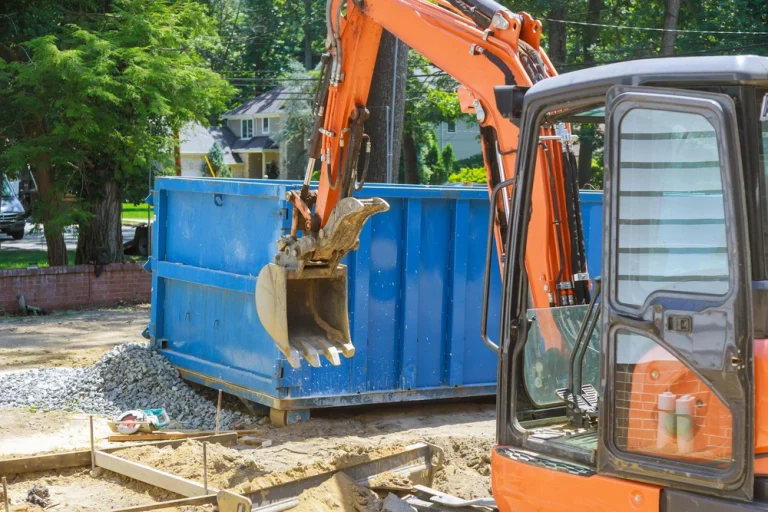
To manage the debris from your demolition efficiently, consider a roll off dumpster rental. The capacity of dumpsters varies, but a 20-yard dumpster rental is often suitable for a residential bathroom remodel. Coordinate the rental period to match the scope and timing of your project for maximum convenience.Removing the Bathtub
Removing your bathtub requires careful steps to avoid damage to your bathroom. First, disconnect any plumbing attached to the tub. Once plumbing is disconnected, you might need to remove tile and drywall around the tub. With the walls and plumbing taken care of, you can move on to physically removing the tub. This may require cutting the tub into more manageable pieces, especially if it’s made from heavy materials like cast iron or steel.Handling Plumbing and Electrical Work
Once the tub is out, plumbing modifications may be needed to accommodate your new shower design. Addressing the plumbing often involves sealing off certain pipes or installing new valve assemblies. If your project includes new lighting or an upgraded electrical feature, ensuring electrical work complies with local codes is essential. Always have a professional handle the plumbing and electrical work to prevent leaks or faults that could lead to serious issues.Installation Process
 The tub to shower conversion involves several detailed steps. Your project success hinges on proper installation of the new shower pan or base, ensuring the area is watertight with correct tiling and waterproofing, and meticulously fitting fixtures and accessories for usability and aesthetics.