Key Takeaways
- Adhering to waste management regulations is essential for compliance and safety.
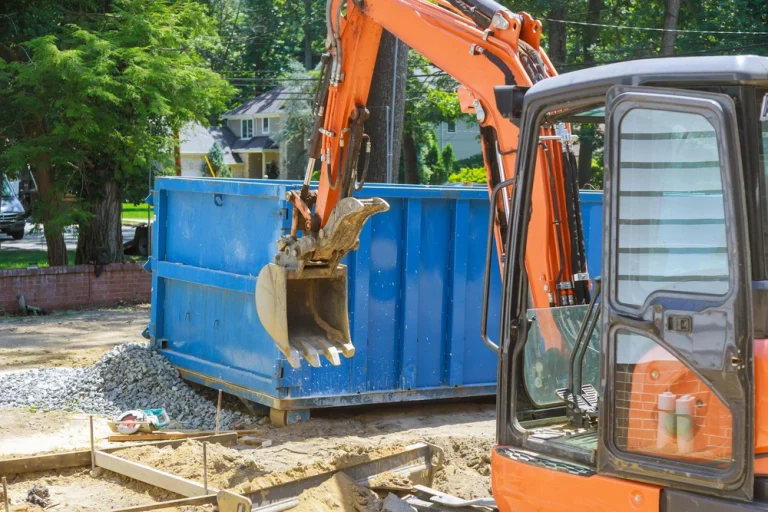
- Dumpster rentals play a crucial role in effective debris and waste management.
- A comprehensive waste management plan is vital for smooth construction operations.

Understanding Waste Management Regulations
Waste management regulations for commercial construction sites aim to reduce environmental impact and protect public health. Key regulations like the Resource Conservation and Recovery Act (RCRA) set the framework for handling construction waste.Legal Framework and Compliance
Commercial construction sites must comply with numerous regulations to manage waste effectively. The Resource Conservation and Recovery Act (RCRA) mandates the identification and proper disposal of hazardous and non-hazardous waste. Contractors need to ensure that all waste is classified, labeled, stored, and disposed of correctly.Compliance with the Clean Water Act is also crucial, as it governs the discharge of pollutants into water sources. Proper waste management practices, such as using construction dumpster rentals, help in controlling debris and reducing runoff. Tracking and managing waste with tools like ENERGY STAR Portfolio Manager can simplify the compliance process and ensure legal adherence.Environmental Impact and Public Health
Proper waste management practices minimize environmental degradation and protect public health. Construction waste can contaminate water sources, soil, and air if not handled correctly. Managing hazardous waste in compliance with federal laws prevents toxic exposure to workers and nearby communities.Using dumpster rentals on-site can effectively manage construction debris and reduce the potential for stormwater contamination. This not only reduces environmental pollution but also safeguards public health by ensuring hazardous materials are contained and disposed of properly. Recycling and reusing building materials further decrease environmental impact, promoting sustainability and reducing the burden on landfills.Principles of Waste Management on Construction Sites
Effective waste management on construction sites involves implementing strategies for reducing waste, reusing materials, and recycling and recovering resources.Waste Reduction
Waste reduction starts with efficient planning. By accurately estimating the materials needed for a project, you can minimize excess and reduce waste. Detailed project specifications help in ordering the right amount of materials, thereby preventing surplus. Dumpster rentals are useful tools for managing waste and debris, streamlining the disposal process, and ensuring that only necessary waste ends up in landfills.Another key aspect is materials management. Organizing and storing materials properly prevents damage and loss. Educating your team on waste prevention practices is also crucial. Encouraging practices like precise cutting and measuring can significantly reduce material wastage.Reuse of Materials
Reusing materials involves identifying opportunities to incorporate leftover or salvaged materials back into the project. Salvaging materials such as bricks, wood, and metal can be cost-effective and eco-friendly.For instance, reclaimed wood can be used for constructing scaffolds or temporary structures. Setting up designated areas on-site for collecting reusable materials can facilitate easy access and sorting. Establishing a network with suppliers or other construction projects can also help in finding suitable uses for salvaged items.Recycling and Recovery
Recycling involves converting waste materials into new products, while recovery focuses on retrieving valuable materials from the waste stream. On construction sites, segregating waste into recyclable categories like metals, wood, concrete, and cardboard can streamline the recycling process.Partnering with local recycling facilities can ensure that these materials are processed efficiently. Recovered materials can be sold or reused, promoting a circular economy. Implementing a clear recycling policy on the site, along with training and signage, can aid in maximizing recycling efforts.By focusing on waste reduction, reusing materials, and robust recycling and recovery plans, you can greatly improve waste management efficiency on construction sites. This not only helps in meeting regulatory requirements but also promotes sustainable construction practices.Specific Waste Types and Handling Guidelines
 Proper management of construction waste is crucial to reduce environmental impact and ensure compliance with regulations. Different types of waste, including hazardous and non-hazardous materials, require specific handling and disposal methods.
Hazardous Waste Management
Hazardous waste at construction sites includes materials such as asbestos, PCBs, and other hazardous substances. Proper storage, labeling, and transportation are essential to comply with regulations.Ensure all hazardous materials are stored in clearly labeled containers and kept in designated areas. Separate different types of hazardous waste to avoid cross-contamination.Federal guidelines, such as those under RCRA Subtitle C, mandate the use of specific containers and labeling protocols. Dumpster rentals can be particularly useful for managing construction site debris, but make sure they meet the safety standards for hazardous waste.Consider consulting with specialized waste management services for disposal and documentation, ensuring all hazardous waste is handled responsibly.Management of Non-Hazardous Waste
Non-hazardous waste on construction sites typically includes wood, plastics, concrete, and bricks. Effective management starts with sorting these materials into designated bins.Implement recycling programs to handle wood and plastics; they reduce landfill use and promote sustainability. Concrete and bricks can be recycled or reused on-site, particularly for infill or new construction projects.Temporary dumpster rentals are ideal for collecting and segregating non-hazardous waste. This method keeps the site organized and compliant with waste management plans.Regular waste audits and documented recycling plans help ensure you meet environmental requirements and enhance site efficiency. Collaboration with local recycling facilities can further streamline the waste management process, making it more effective and eco-friendly.Developing a Comprehensive Waste Management Plan
 A comprehensive waste management plan is essential for reducing waste and improving efficiency on a construction site. Start with a detailed assessment of the types of waste your project will generate. Identify materials that can be recycled or repurposed, leveraging the support of Recycling Industries.Best Management Practices (BMPs) are crucial. Implement effective sorting practices on-site. Set up designated areas for different types of waste. This keeps materials organized and facilitates easier recycling.Dumpster rentals can significantly aid in managing waste and debris. They provide a convenient way to collect, transport, and dispose of various materials. This ensures that your site remains clean and safe.Various business opportunities can arise from a well-executed waste management plan. For instance, partnering with companies specializing in construction waste recycling can lead to cost savings and additional revenue streams.Creating a plan involves clear targets for waste reduction. Use tools and resources like the EPA’s guide on Construction Waste Management to assist in your planning process.Tables and lists can help organize your waste management plan effectively:
- Assessment: Identify waste types.
- Planning: Set clear targets.
- Execution: Implement BMPs and regular monitoring.