Key Takeaways
- Utilize cost-effective and eco-friendly methods to dispose of wood, such as recycling or community programs.
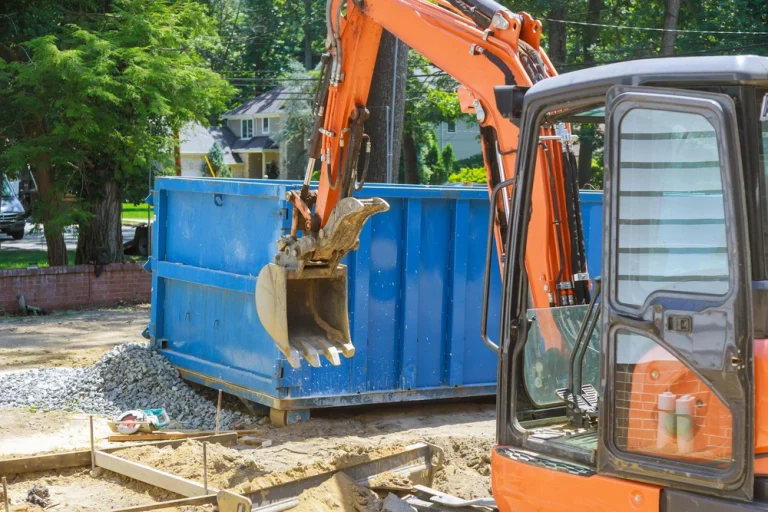
- A dumpster rental can effectively handle wood waste for larger projects.
- Always adhere to local regulations and safety measures when disposing of wood.

Understanding Wood Waste
When considering where to dump wood for free, it’s essential to recognize the different types of wood waste and the environmental implications of wood disposal. Your choices can significantly affect your carbon footprint and the well-being of the planet.Types of Wood Waste
Wood waste falls into several categories, often defined by its source and condition:- Yard Waste: This includes branches, leaves, and debris from your garden.
- Untreated Wood: Natural wood that hasn’t been chemically treated, such as logs and lumber off-cuts.
- Treated Wood: Wood treated with preservatives, paints, or stains to prolong its life.
- Painted Wood: Wood that has been painted, which can contain toxic chemicals if not disposed of correctly.
- Construction and Demolition Waste: Wood materials generated during the construction or demolition of buildings.
Impact of Wood Disposal on Environment
The method you choose to dispose of wood waste can have significant environmental consequences:- Landfill Space: Wood waste can occupy valuable landfill space, contributing to overfilled disposal sites.
- Toxic Chemicals: Treated and painted wood can release harmful substances into the environment.
- Carbon Footprint: Incorrect disposal of wood waste can increase the carbon footprint of your activities.
Recycling Options for Wood
 When considering disposing of wood for free, recycling is a sustainable option that can turn your waste into a valuable resource. Recycling centers and transfer stations are primary facilities that process wood for recycling, and preparing your wood correctly can improve its recyclability.
Recycling Centers and Transfer Stations
- Recycling Centers: You’ll find these facilities often accept wood waste, which they subsequently process and convert into recycled wood products. The processed wood can become a variety of new products, such as engineered lumber or mulch for landscaping. A locator map can help you find your nearest wood recycling facility or designated wood dump area.
- Transfer Stations: As intermediaries, transfer stations collect and sort various recyclable materials, including wood. Here, wood is often separated from other materials, making the recycling process more efficient. Many transfer stations are equipped to handle lumber scraps, which can then be transported to specialized recycling centers.
Sorting and Preparing Wood for Recycling
- Collection: Your local waste management system might offer curbside pickup for wood recycling. You should contact them to learn about any particular sorting rules, as proper sorting is critical for recycling effectiveness.
- Preparation: Before taking your wood to a recycling center or having it picked up, ensure it is free from contaminants such as nails or adhesives that could interfere with the recycling process. Some centers may also require you to sort the wood by type—for example, untreated versus treated lumber.
Alternatives to Dumping
In exploring options beyond traditional waste disposal, you’ll find eco-friendly and community-supportive ways to handle excess wood. Whether it’s leftover building materials or furniture, there are avenues available that prevent waste and can provide benefits to others.Donation and Reuse
- Building Materials: Local charities and non-profits, such as Habitat for Humanity ReStores, actively welcome donations of usable building materials, including plywood and wood from deconstruction projects. Your contributions could help support affordable housing while reducing landfill waste.
- Furniture: Reach out to thrift stores and community centers. They might accept wooden furniture in good condition, which they could then sell or directly use. Consider schools or theaters that often need set pieces and could repurpose your old furniture creatively.
Wood Repurposing Initiatives
- Architectural Salvage: Entities dedicated to salvaging architectural elements can give your old wood a new life in restoration projects. These organizations recover and repurpose components with historical value.
- Renewable Energy: Some companies collect wood pallets and other untreated wood waste for conversion into renewable energy. This process decreases reliance on fossil fuels and helps to recycle materials more sustainably.
- Junk Removal Services: Certain services offer eco-friendly removal options—and in some cases, at no cost—if your wood is salvageable. They may distribute the wood to those who can use it for projects or fuel.
Regulations and Safety Measures
 Before you decide to dump wood for free, it’s crucial to understand the local disposal regulations and adhere to safety guidelines for handling wood. You need to know where landfills are located, their acceptance policies for wood waste, and specific safety practices to protect yourself during the disposal process.
Local Disposal Regulations
Landfills have specific policies regarding the acceptance of wood. Some may allow you to dump untreated lumber scraps for free or at a nominal cost, while others may not permit wood disposal at all, especially if the wood is treated. It’s important for you to contact your local waste management facility to inquire about its:- Acceptance of wood waste
- Pricing for dumping wood
- Requirements for bracing or securing loads
Safety Guidelines for Handling Wood
When handling wood, especially scrap wood that may contain nails or sharp edges, safety is your top priority. Take measures to protect yourself:- Wear appropriate personal protective equipment (PPE), such as gloves and safety goggles.
- If you’re dealing with treated lumber scraps, be aware that they can release harmful chemicals and should not be burned or disposed of in regular trash. Follow local guidelines for hazardous waste.