Key Takeaways
- Managing debris is a crucial step in window replacement projects.
- Preparation is essential to minimize mess and ensure efficient cleanup.
- Identifying recyclable materials helps reduce waste and environmental impact.

Preparing for Window Replacement
Effectively preparing for window replacement involves precise measurements and a clear understanding of window types. This ensures compatibility with your space and enhances the performance and aesthetics of your home.Measuring and Ordering
Before ordering your new windows, it’s crucial to obtain accurate measurements of the existing openings. Using a tape measure, carefully determine the dimensions of the window’s height, width, and depth from different points to account for any variances due to rot or damage.- Width: Measure the distance horizontally between the jamb sides at the top, middle, and bottom of the window.
- Height: Measure vertically from the head jamb to the sill at the left, center, and right.
- Depth: Exclude any removable sashes and measure the depth of the frame from the outside to the inside stop where the window sash rests against.
Window Removal Process
Removing old windows can be a messy task, but with proper preparation and techniques, you can effectively manage the cleanup. Ensure to protect your space and utilize the right tools for a smooth removal process.Safeguarding the Area
Before beginning the removal of old windows, it’s crucial to cover floors and protect furniture to prevent damage and contain debris. Lay down drop cloths or plastic sheeting over flooring and any important items in the vicinity, including shrubs and other landscaping elements outside that could be affected by falling debris. If you have pets or children, plan ahead to keep them away from the work area for their safety and to prevent disruption. Clear the space around the window of any window treatments and wall hangings to create ample storage space for tools and the removed window.Techniques for Removal
To remove an old window, first, score the paint around the stop moldings using a utility knife. Gently pry away the moldings with a screwdriver or a similar tool. Always start from the corner and work your way around carefully to avoid breaking the moldings. This might allow them to be reused after the new installation. After the moldings are removed, check for and extract any fasteners or nails holding the old window in place. Support the window while removing these fasteners to prevent it from falling. Proceed with caution to ensure a safe and efficient removal.Installing New Windows
 When it comes to installing new windows, the core steps involve securing the window firmly in place and applying the finishing touches that ensure both functionality and aesthetic appeal. The installation process requires careful handling of tools and materials like caulk and shims, and knowledge of procedures tailored to the window type, such as high-performance or curved windows.
Securing the Window
Before anything else, ensure the window opening is ready for the new installation. This involves cleaning out any debris and checking the opening for squareness. For a wood insert replacement window or insert replacements, which are common in pocket window installation, it’s essential to:- Measure carefully to make sure the new window will fit the existing opening. Aim to leave about 1/4 inch of space for adjustments.
- Check for level and plumb by using a spirit level. Small wooden pieces called shims are often used to achieve the exact positioning.
- Apply caulk to the sill of the window opening before setting the window in place.
- Place the window in the opening.
- Use shims to center the window in the opening and to keep it square.
- Fasten the window to the opening using screws, making sure it remains level.
Finishing Touches
Once the window is secured, it’s time for the detailed work that contributes to both the window’s energy efficiency and its appearance:- Insulation: Fill any gaps between the window and the framing with insulation foam, which can help enhance the window’s energy efficiency.
- Caulking: Apply a bead of high-quality caulk around the exterior of the window to seal it. Make sure to smooth it out for a finished look.
- Using a finishing tool or a small piece of wood can aid in creating a clean caulk line.
- Trim work: If necessary, install interior and/or exterior trim to cover the space between the new window and the wall.
Debris Management and Cleanup
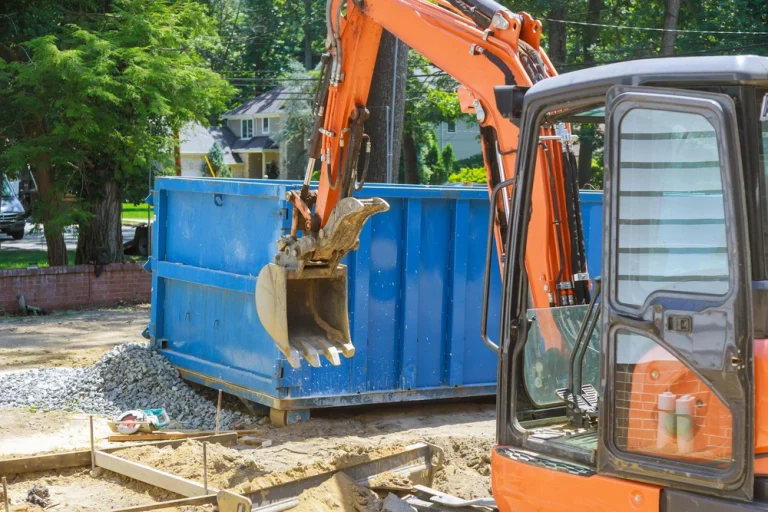
Efficient debris management and cleanup are critical to ensuring a tidy and hazardous-free workspace after window replacement projects. Proper disposal of materials and thorough cleaning protect against air infiltration and maintain the integrity of your new high-quality replacement windows.Handling Construction Waste
Firstly, identify the construction waste, including materials like old windows, damaged exterior trim, and unused caulking. Time spent on sorting this waste into recyclables and non-recyclables is time saved later. Metals and certain plastics can often be recycled, while other materials may need special disposal:- Recyclables: Metal frames, glass panes, rigid plastics.
- Non-recyclables: Old sealants, non-recyclable plastic sheets, fiberglass insulation.
Cleaning the Worksite
After the removal of debris, cleaning takes precedence. Start with a thorough vacuuming to remove dust and small particles. Follow with:- Dust Removal: Wipe down all surfaces with a damp cloth to collect fine dust.
- Vacuuming Carpets and Floors: Use a high-EPA filter vacuum to minimize air infiltration from leftover dust.
- Disposing of Protective Materials: Remove and discard any protective sheeting used during installation.
- Final Inspection: Check all newly-installed windows for leftover caulking or materials that may impact the window’s performance.
Post-Installation Considerations
 After your windows have been replaced, it’s crucial to ensure the integrity of the installation and address any issues that may compromise your home’s comfort or efficiency.