Key Takeaways
- Employing the correct safety measures is crucial for steep roof work.
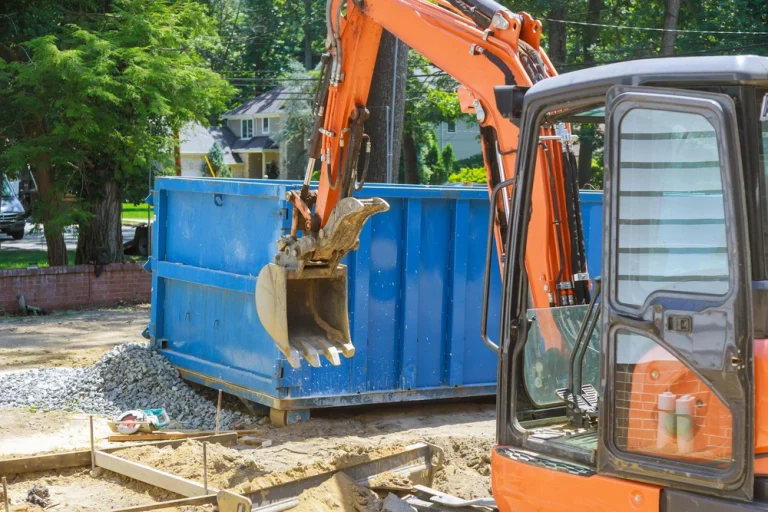
- Keeping the job site clear of debris with a roofing dumpster rental enhances safety.
- Monitoring and adapting to weather conditions is necessary to mitigate risks.

Safety Precautions and Equipment
When working on a steep roof, your safety hinges on understanding essential safety measures, wearing the right protective gear, and considering the impact of weather conditions. Strict adherence to safety guidelines is not just recommended; it is critical for preventing accidents. One of the most important pieces of gear is a roof safety harness, which ensures you are securely attached to the roof, reducing the risk of falling.Understanding Roof Safety Essentials
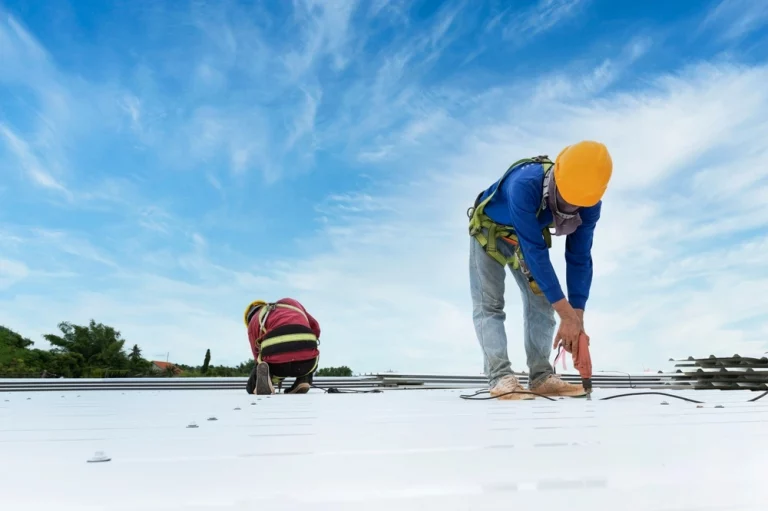
To secure yourself on a steep roof, utilize a personal fall arrest system which includes a roof harness designed to arrest falls. Fall protection systems are obligatory and must comply with the standards stated by OSHA, ensuring maximum safety. Familiarize yourself with these safety program requirements that are specifically designed for roofing workers.Selecting Personal Protective Equipment
Your safety equipment should include:- Harness: An anchor point is non-negotiable; a safety harness must be securely attached to it.
- Helmet: Always protect your head with a helmet to reduce the risk of injury from falls or falling objects.
- Gloves: To maintain a good grip and protect your hands, wear padded gloves suitable for roofing work.
Safeguarding Against Weather Conditions
Working on a roof during adverse weather can be perilous. Heavy winds and wet conditions can drastically increase the risk of a fall. Ensure that you take extra safety precautions under such circumstances and possibly postpone work if the conditions are too unsafe. Always consult the latest safety measures to manage weather risks during roofing operations.Remember, staying vigilant about safety precautions and using the correct safety equipment is the best way to mitigate risks when working on steep roofs.Preparing the Worksite
 Before you embark on any roofing project, especially on a steep roof, preparing the worksite is crucial. This involves setting up secure access to the roof, ensuring the area is safe for workers and pedestrians, and clearing any potential hazards that might compromise safety.
Securing the Area
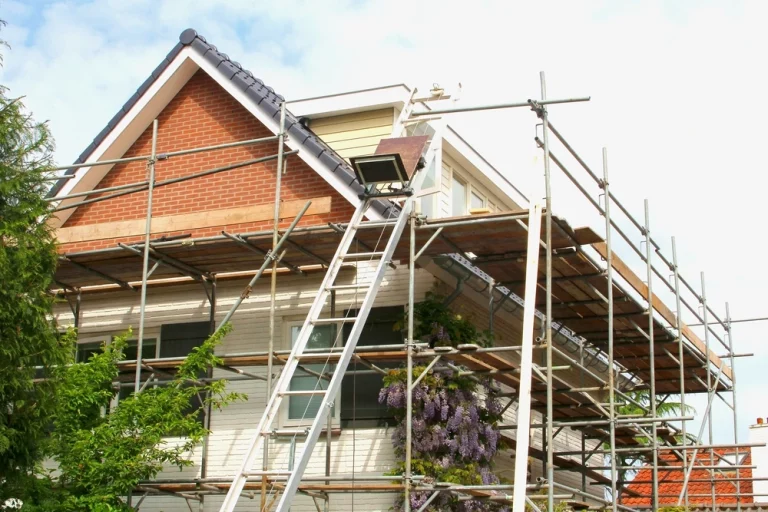
Begin by establishing a secure perimeter around your worksite. This is essential for the safety of both the workers and the general public. Set up cones and caution tape to alert passersby of the work in progress and potential hazards such as falling debris. All ladders should be securely anchored at their base and at the point of roof contact to prevent shifting.- Safety Gear: Before work commences, verify that all necessary safety gear is available and in good condition. This includes harnesses, helmets, and other personal protective equipment.
Ensuring Proper Roof Access
Your access to the roof must be both safe and efficient.- Ladders: Use an extension ladder that extends at least 3 feet over the roof edge, allowing for a safe transition from the ladder to the roof.
- Roof Ladder: A roof ladder with hooks can provide additional stability on steep slopes.
- The ladder angle should be at a 4:1 ratio; for every four feet in height, the base should be one foot away from the wall.
- Roof jacks and brackets can offer platforms to safely place tools and rest.
Clearing Hazards and Debris
The next step is to ensure the roof surface is free from loose debris and hazards that could cause slips or falls. Clear debris from the roof and gutters before starting work to create a safer environment.- Inspect the roof for any loose shingles or materials that could pose a risk.
- Remove any brackets or hardware left behind from previous work that could be an obstruction or hazard.
Roofing Techniques and Strategies
When working on a steep roof, employing the correct techniques and strategies ensures your safety and the efficacy of your work. Your approach must consider the roof pitch and utilize appropriate roofing materials to navigate the challenges steep roofs present.Working with Steep Roof Angles
Steep roofs, defined by their aggressive angles, require methodical planning before you set foot on them. Your priority is to establish secure anchor points that serve as a safety net. Choose roofing materials and anchoring systems that are specifically designed for roofs with a high pitch. For instance, when setting up anchor points, make use of specialized brackets and harnesses rated for steep-angle work. Each action on a pitched roof must be deliberate to maintain your balance and ensure your safety.Effective Movement on Roofs
To move effectively on a steep roof, focus on your body positioning and the distribution of your weight. Always wear non-slip footwear to maximize traction, and make deliberate, balanced movements.- Wear non-slip shoes that provide excellent grip
- Use roof ladders or chicken ladders for stability
- Deploy safety ropes and harnesses when traversing
- Keep your center of gravity low and over your feet
- Make sure to have a safe work zone established
Using Roofing Tools and Equipment
 When working on steep roofs, your safety and efficiency depend heavily on choosing the right tools and ensuring they are in top condition. Careful selection and maintenance of equipment can mean the difference between a job well done and a serious accident.
Selecting Appropriate Roofing Materials
To ensure your safety while on a steep slope, select specialized roofing materials and systems designed for such environments. Utilize roof brackets which are essential for creating sturdy platforms. These brackets should be solid and able to carry your weight and tools securely. Consider footwear like cougar paws, which are made for better grip on roofs. For climbing, select ladders with appropriate length to extend well above the roof edge and use a roof anchor system as a secure point for your lanyard or rope to prevent falls.- Equipment Checklist:
- Roof brackets and jacks
- Cougar paws or other roofing shoes
- Extendable ladders
- Roof anchor system
- Safety lanyard and rope
Maintaining and Inspecting Equipment
Regular maintenance is crucial. Before each use, inspect your ladders and scaffolding to ensure there is no damage or wear that could compromise balance or stability. All roof anchors should be checked for secure attachment, and lanyards must be free of fraying or other damage. Roof jacks should be inspected for rust or structural weakness. Keeping your equipment well-maintained not only ensures your safety but also extends the lifespan of your tools.- Inspection Tips:
- Check for structural integrity.
- Look for signs of wear or damage.
- Ensure movement parts operate smoothly.
- Verify the stability and balance of all setup systems.
Weather and Environmental Considerations
Before venturing onto a steep roof for work, understanding and preparing for weather and environmental challenges is critical for your safety. Certain conditions can create hazards that impact your balance and the roof’s integrity, making knowledge and caution paramount.Adapting to Weather Changes
When planning roofing work, always consult the weather forecast to avoid inclement weather conditions. Rain or snow can make a steep roof incredibly slippery, increasing the risk of falls. Even if it clears up, residual rainwater or ice can linger, compromising your traction. In windy situations, it becomes essential to reassess your approach, as strong gusts can disrupt your balance. Therefore, adjust your schedule and safety measures accordingly when the weather is unstable, and apply common sense to determine if conditions are safe for roofing.Addressing Environmental Challenges on Roofs
Over time, roofs may gather moss, which not only retains moisture but also creates a slick surface, raising the risk of slips. Regularly inspect for and remove moss as part of maintenance. Additionally, be mindful of exposure to UV rays, which can degrade roofing materials and lead to rot. To counter these challenges, use appropriate safety gear like rubber-soled shoes for better grip and harnesses as part of your fall protection system. Implementing comprehensive safety measures minimizes the hazards posed by environmental factors on steep roofs.Mitigating Risks and Preventing Accidents
In roofing, particularly on steep slopes, safety measures are paramount to prevent life-threatening accidents. You can significantly reduce risks by understanding common hazards and being prepared for emergencies.Understanding Common Roofing Hazards
While working on a steep roof, a clear grasp of potential dangers is crucial. First, slipping is one of the main hazards you may face. Steep roofs pose a greater risk here, so always wear rubber-soled shoes for better traction. Falling is another serious concern, which can lead to severe injuries or even fatalities. It’s vital to use a secured harness and other fall protection systems as preventative measures.Additionally, be aware of factors that might impede your flexibility or movement. Loose-fitting clothing can catch on protrusions, increasing the chance of accidents. Stick to well-fitting safety gear that allows movement without risking snags. Tools and materials can create trip hazards on the roof; hence, keep your work area tidy to prevent stumbling and accidents.Emergency Preparedness and First Aid
Roofing is a dangerous job, so having a plan for emergencies is a must. Set up cones, caution tape, anchored ladders, and temporary fencing to establish a safe work zone. Familiarize yourself with emergency procedures, and keep a fully stocked first aid kit on hand. Knowing how to respond to injuries quickly can lessen the severity and prevent further damage. Ensure easy access to emergency contacts and be prepared to act swiftly if an accident occurs.Maintenance and Damage Prevention
 Proper maintenance of your steep roof is essential to prevent water damage, leaks, and structural issues. Regular inspections and prompt repairs play a crucial role in avoiding rot and mildew that can compromise the integrity of your roofing system.
Routine Inspections and Repairs
You should inspect your steep roof biannually, ensuring to check both before and after severe weather seasons. Look for signs of wear, such as broken or missing shingles, and address repairs immediately. Quick action can help you avoid larger issues down the line. Remember that safety is paramount; consider hiring a professional to work on your steep roof if you lack experience or the proper safety gear.Preventing Water and Structural Damage
Keep gutters and downspouts clear to prevent water buildup that could lead to leaks and water damage. After clearing debris, check for any signs of sagging or damage to the gutter system, as these can be early indicators of structural issues. Pay close attention to the roof’s underside in your attic; moisture accumulation here can lead to mold and mildew growth. Investing in proper ventilation and insulation can help mitigate these risks significantly.By adhering to these maintenance practices, you’ll help safeguard your steep roof against common problems that could lead to costly damage.Professional Roofing and DIY Considerations
When embarking on a roofing project, it’s crucial to address the balance between professional roofing services and DIY approaches. Your decision should factor in the complexity of the task, safety considerations, and the potential impact on your home’s aesthetic and lifespan.When to Hire a Professional Roofer
If the project involves complex construction elements such as the installation of rafters or roof replacement, it’s advisable to enlist a seasoned professional. A professional roofer brings invaluable experience to the table, ensuring a high standard of safety and quality, possibly enhancing your home’s aesthetic appeal and lifespan. Moreover, professional roofing teams come equipped with the necessary tools and safety systems to navigate the challenges steep roofs present. The eaves and delicate architectural features of your home also need to be handled with care, making professional expertise essential.- Consider Hiring a Professional When:
- The project exceeds your DIY skill level.
- Construction elements are complex.
- There’s a significant risk factor.
- Roof replacement or intricate repair work is needed.
- Preserving the aesthetic and structural integrity of your home is a priority.
Tips for DIY Roof Work Safely
For the hands-on homeowner, tackling your own roof work can be a rewarding challenge, but it requires meticulous safety precautions and a firm understanding of what the job entails. Before commencing, arm yourself with the correct equipment, such as a secured harness and non-slip shoes, and set up a safe work zone. Learn how to assess weather conditions and familiarize yourself with local construction codes.- Safety Gear Checklist:
- Secure harness
- Rubber-soled shoes
- Safety helmet
- Padded gloves
- Non-slip ladder with feet
- Fall protection systems
Legal and Regulatory Compliance
When working on a steep roof, it’s paramount to adhere to all safety regulations to protect yourself and your team. These legal mandates are not only for your safety but are also critical to avoid legal repercussions.Adhering to OSHA Standards and Local Regulations
Occupational Safety and Health Administration (OSHA) standards provide clear directives for fall protection measures when working on steep roofs. Your first line of defense is to ensure that you are using the right fall protection equipment. For roofs with a pitch above 4:12, OSHA mandates the use of guardrail systems with toeboards, safety net systems, or personal fall arrest systems (Protecting Roofing Workers). These systems should have a secure anchor point to prevent falls.Employers are required to both provide, and ensure the proper use of, all necessary safety equipment—a responsibility that includes regular inspections and maintenance. If you’re working near a power line, special precautions must be taken to prevent electrocution hazards.- Safety Measures:
- Use guardrails or establish control lines
- Wear a harness connected to a lifeline
- Inspect all equipment before use