Key Takeaways
- Regular yard maintenance addresses each season’s specific requirements for a healthy landscape.
- Strategic planning and use of appropriate tools contribute to year-round yard upkeep.
- Consider yard waste removal solutions for efficient disposal during extensive cleanups.

Understanding Your Yard’s Needs
To maintain a healthy and vibrant yard, it’s crucial to recognize that your landscape has varying needs throughout the year. Your grass and soil demand different care routines as the seasons change.Seasonal Changes
Spring: As temperatures rise and winter thaws into spring, your yard awakens with growth. This is the time for clean-up, fertilization, and prepping the soil. Address any patches where grass is sparse with high-grade topsoil and overseed to encourage lush turf. Vigilant watering is key, ensuring seeds remain moist.Summer: The heat of summer stresses both soil and grass, requiring consistent hydration. Your maintenance routine should involve early morning watering to reduce evaporation and regular mowing to keep grass at an optimal height, thus preserving soil moisture and health.Fall: Autumn signals preparation for dormancy. It’s vital to remove leaves and debris to prevent mold and disease. This season is also advantageous for aerating the soil and applying necessary soil amendments, strengthening your lawn before the cold sets in.Winter: During winter, foot traffic can compact snow and damage grass. Minimize this risk while being mindful of any clean-up that might be possible, such as removing broken branches or scattered debris.Grass and Soil Types
Understanding your specific type of grass is essential, as different grasses peak in varying seasons. Cool-season grasses thrive in the cooler temperatures of fall and spring, while warm-season grasses peak in the heat of summer. Your soil type also influences yard care; sandy soils drain quickly but can dry out, while clay soils hold moisture but may become compacted.It’s important to test your soil’s pH and nutrient levels, adjusting with the appropriate amendments—whether it’s more nitrogen in the summer for growth or potassium in the fall for root development. Proper care tailored to your grass and soil type ensures a resilient and healthy landscape through the changes of seasons.Spring Lawn Care
 As snow melts and the green begins to emerge, strategic steps in spring lawn care set the stage for a lush, healthy yard. Your spring regimen should focus on revitalizing the soil and grass from winter dormancy through aeration and overseeding, as well as establishing a robust defense against weeds with timely fertilization and weed control.
Aeration and Overseeding
- Aeration: For your lawn to breathe and receive nutrients effectively, aeration in the spring is crucial. This process involves creating small holes in the soil to allow air, water, and nutrients to penetrate the grassroots. A well-aerated lawn will support root growth and improve drainage. Plan to aerate your lawn if you notice soil compaction or thatch build-up of more than one-half inch.
- Overseeding: After aeration, overseeding is your next step. This means sowing new grass seed into your existing turf. This will fill in bare patches, improve the density of your lawn, and enhance its resilience against pests and diseases. Choose a seed mix that matches your current grass type and climate zone for best results.
Fertilizing and Weed Control
- Fertilizing: Spring is a critical time for fertilizing as your lawn is hungry for nutrients. Apply a balanced fertilizer appropriate for your grass type to encourage strong growth. Remember that the timing of fertilizer application is as important as the fertilizer itself.
- Weed Control: Early spring is the time to tackle weeds before they take hold. Applying a pre-emergent herbicide can help prevent crabgrass and other common weeds from sprouting. However, be cautious with the timing of these herbicides as they can also affect the germination of new grass seeds from your overseeding efforts. Always follow label instructions to avoid damaging your lawn.
- Mowing: Begin mowing once your grass reaches about 3 inches high, and aim to remove no more than one-third of the grass blade length with each mow. Regular mowing encourages a thick, lush lawn that naturally combats weeds.
Summer Maintenance Tasks
During summer, your yard requires specific maintenance routines to ensure the health and aesthetics of your lawn. Proper water management and mowing techniques are essential to keep your grass thriving in the heat.Water Management
Your lawn’s watering needs increase as temperatures rise. It’s crucial to water deeply and less frequently to encourage deep grass root growth. Aim for one to one and a half inches of water per week, either from rainfall or irrigation. Water early in the morning to minimize evaporation and to provide moisture throughout the day. Utilize rain gauges to measure the amount of water your lawn receives and adjust your watering schedule accordingly.Mowing Techniques
Adjust your lawn mower to a higher mowing height to protect grass roots from the intense sun and to retain soil moisture. The optimal mowing height in summer is about 3 to 4 inches. Taller grass also helps prevent weed growth. Use a sharp mower blade to ensure a clean cut and to avoid damaging the grass blades. If possible, leave grass clippings on the lawn as mulch; they return nutrients to the soil and help retain moisture. Remember to mow regularly, but do not remove more than one-third of the grass height at a time to avoid lawn stress.Autumn Yard Preparation
As the season turns, autumn is a crucial time for yard care to ensure your lawn remains healthy and is well-prepared for the cold months ahead. It’s time to focus on cleaning up fallen leaves, protecting your plants and soil, and setting the stage for a lush spring.Leaf Removal
Removing leaves from your lawn prevents the turf from being smothered and reduces the risk of fungal diseases. Begin with regular raking or use a leaf blower to gather the leaves. For an eco-friendly approach, you can mulch leaves with your mower, transforming them into a natural fertilizer that can benefit your lawn’s soil.- Regularly rake leaves to clear lawn space.
- Use mulching mower to chop leaves into fine pieces that decompose.
Winterization
Preparing your yard for winter involves several steps:- Overseeding: Fill in any dead spots with appropriate seed mix to encourage lush growth in the spring.
- Fertilization: Apply fertilizer to strengthen your lawn’s roots for a robust comeback after the cold.
- Aerating: Allow for better water, air, and nutrient penetration by aerating, thus reducing soil compaction.
- Weed Control: Eliminate weeds before they take over in the spring, by applying pre-emergent weed control.
- Yard Cleanup: Ensure all gardening tools are cleaned and put away, and tender potted plants are brought indoors.
Winter Yard Care
 During the colder months, your yard requires special attention to ensure it weathers the season well. Key priorities include shielding your plants from damage and managing the impacts of snow and ice.
Protecting Plants
Your yard’s greenery can be vulnerable to the chill of winter. Frost can damage plant cells, and without proper care, some may not recover come spring. To protect your plants, wrap them in burlap, especially those susceptible to windburn like young oak trees. It’s an effective shield against harsh weather and also maintains an aesthetic appeal even when your garden is dormant.Snow and Ice Management
Snow and ice can threaten the structural integrity of your property and the health of your lawn. Avoid using rock salt for de-icing, as it can be harmful to plants and grasses. Instead, opt for calcium chloride-based products, which are less corrosive and safer for your winter lawn care. Be thorough but gentle when removing snow; it’s important to prevent compacting the snow on your lawn, which could lead to damage to the dormant grass underneath.Lawn Health and Restoration
Maintaining a healthy lawn involves vigilant pest and disease management along with balanced soil nutrient management. By addressing these core aspects, you can restore vitality to your lawn, ensuring it remains lush and green.Dealing with Pests and Diseases
Pests and diseases can compromise the health of your lawn. If you notice signs of disease, such as discolored grass or thinning patches, you should act quickly to identify the problem and treat it. For pest control, consider environmentally friendly options that target common lawn pests without harming beneficial organisms. Regularly inspect your lawn for signs of infestation and apply treatments that specifically address the pests or diseases present. Remember, proper mowing and dethatching practices can prevent the spread of diseases and minimize pest habitats.Soil Nutrient Management
Your lawn’s health is directly related to the quality of your soil. Test your soil to determine the necessary nutrients it may be lacking and amend it accordingly. If your lawn needs a boost, consider using organic fertilizers that slowly release nutrients without the risk of chemical run-off. Compost can improve soil structure, providing a healthy medium for grass to grow. For lawns with yellowish tones, an application of iron can enhance its green color. Consistent lawn care, including proper irrigation and the use of a sharp-bladed lawn mower when mowing, supports robust root development and nutrient uptake.Pruning and Shaping
Effective maintenance of your yard’s aesthetics and health involves proper pruning and shaping. It’s essential to systematically care for your trees and shrubs to prevent disease, promote growth, and maintain a pleasing landscape.Trees and Shrubs Care
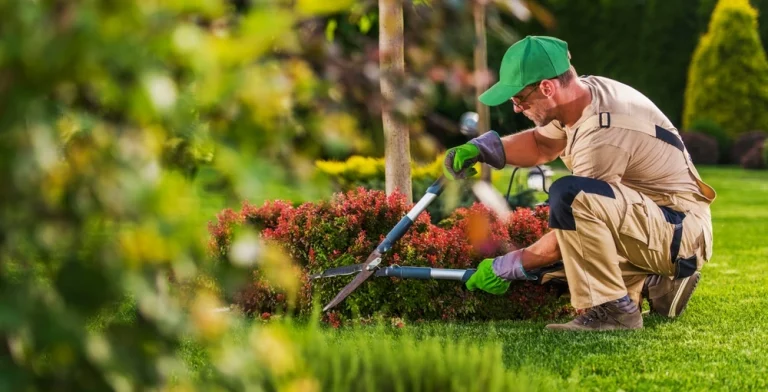
To keep your trees and shrubs healthy and well-shaped, regular pruning is crucial. Eliminate dead or weak limbs to prevent damage from insects and disease. Focus on thinning out dense areas to allow sunlight and air to penetrate the inner branches. This encourages a healthy growth pattern and improves the overall form of the plant. For specific guidance on how to shape your plants, consult a comprehensive guide to yard cleanup that includes seasonal tips and techniques.- Inspect: Regularly check branches for signs of disease or infestation.
- Clean: Clean your tools between cuts to avoid spreading disease.
- Cut: Make sharp, clean cuts at a 45-degree angle to promote healing.
- Thin: Remove overgrown and small branches to shape the trees and shrubs and to enhance structure.
- Support: Use stakes or ties if necessary to train young trees and shape their growth.
Seasonal Pruning Times
The timing of pruning throughout the year can affect the health and flowering of your plants.- Spring: Prune flowering trees and shrubs soon after they bloom to avoid cutting off next year’s buds.
- Summer: Trim spring-blooming shrubs, and light pruning can help shape plants or slow the growth of branches you don’t want.
- Fall: Generally, avoid heavy pruning, as new growth might not be hardy enough for winter.
- Winter: Prune dormant trees and shrubs; this is an ideal time since the structure is clearly visible and plants recover well by spring.
Garden and Landscape Features
Maintaining your garden’s allure and the integrity of landscape features is essential for year-round beauty and healthy plant growth. Your attention to these areas not only fosters a variety of plants and flowers but also ensures the longevity of your garden’s design elements.Flower Beds and Perennials
Flower Beds: To maximize the vibrancy and longevity of your flower beds, start with enriching the soil with high-grade topsoil. Introduce a diverse array of perennials for year-round interest, and for annuals, refresh the beds as seasons change to maintain continuous bloom. Proper spacing is key for healthy growth, preventing overcrowding and ensuring ample air circulation.Perennials: Prune your perennials at the appropriate times to encourage new growth and flowering. Some species may require cutting back in the fall, while others, such as ornamental grasses, offer winter interest if left untrimmed. Regular removal of spent flowers, a process called deadheading, can promote further blooming during the growing season.Hardscape Elements
Hardscape Elements: Your yard’s non-living features, like pathways, benches, and retaining walls, require regular checks to retain their function and appearance. Keep an eye out for any repairs needed due to weather wear, and clean surfaces to prevent moss or algae build-up. During the colder months, ensure that water features are properly shut off and protected against freezing temperatures.Tool Maintenance
Proper tool maintenance is crucial for the longevity and effectiveness of your yard equipment. From keeping your tools well-organized to ensuring your lawn mower and irrigation system remain in top condition, each aspect contributes to a hassle-free yard maintenance experience.Organizing Yard Tools
Designate a Space: Assign a specific area in your garage or shed for yard tools. Use hooks, shelves, and bins to store them efficiently.- Hooks: Hang long-handled tools like rakes and edgers to save floor space and prevent damage.
- Shelves: Store smaller items and garden hand tools on shelves for easy access.
- Bins: Use labeled bins for miscellaneous parts and accessories, like mower blades.
Caring for Equipment
Lawn Mower Maintenance:- Blades: Regularly check and sharpen your mower blades to ensure a clean cut. A dull blade tears grass, resulting in an unhealthy lawn.
- Cleaning: After each use, remove grass clippings from the mower deck to prevent rust and maintain optimal airflow for cooling.
- Inspection: At the start of the season, inspect the irrigation system for leaks, blockages, or damaged heads.
- Winterizing: Before the first freeze, drain the system to prevent pipe damage. If you’re uncertain about the process, consult a professional to avoid costly repairs.
Eco-Friendly Yard Strategies
Implementing eco-friendly yard strategies can positively impact the environment while promoting the vitality of your garden. Through the use of organic matter and careful water management, you can maintain a beautiful outdoor space in a sustainable manner.Organic Matter Usage
Composting is a fundamental aspect of using organic matter in your yard. By composting kitchen scraps and yard waste, you create a rich, nutrient-dense compost that can be added to your soil. This introduces essential nutrients back into the ecosystem, fostering soil health and plant growth.When it comes to mulching, choose biodegradable mulches made from leaves, pine needles, or other plant-based materials. Mulching not only suppresses weeds but also contributes to soil moisture retention and temperature regulation. Consider the following for mulch application:- Apply a 2-3 inch layer around plants, leaving space around the stem to prevent rot.
- Choose organic mulch, such as shredded leaves, which break down and enrich the soil structure over time.
Water Conservation Practices
Deep watering encourages plants to develop a more extensive root system, leading to improved drought tolerance and less frequent watering needs. Here’s how to efficiently use water in your garden:- Water early in the morning or late in the evening to minimize evaporation.
- Employ a drip irrigation system for targeted watering that delivers moisture directly to the roots with minimal waste.