Key Takeaways
- The 12 yard roll-off dumpster is perfect for medium-sized projects.
- It balances capacity and convenience effectively.
- Rental considerations include location, period, and debris type.

Understanding Dumpster Sizes
When selecting a roll-off dumpster, it’s important to consider the dimensions and weight capacities of each size available. This ensures the dumpster suits the needs of your specific project, whether it’s a small renovation or a large construction job.Comparing Dimensions and Capacities
Dumpster sizes range from 10 to 40 yards, each designed to handle different types of projects. A 10-yard dumpster is ideal for small cleanouts or minor home renovation projects, holding about 3 pickup truck loads of waste. The 12-yard dumpster is slightly larger, suitable for small to medium-sized projects like yard cleanouts or small kitchen remodels. Not all areas will have a 12-yard dumpster size, so a 10-yard or 15-yard dumpster might be the best choice in your specific market. The 15-yard dumpster accommodates about 6 pickup truck loads, offering more space for larger garage cleanouts or small commercial projects. For remodeling projects, the 20-yard dumpster is a popular choice, handling larger debris volumes, comparable to 8 pickup truck loads. The 30-yard dumpster is often used for major renovations, while the 40-yard dumpster is best for large-scale construction or demolition projects.| Dumpster Size | Dimensions (approx.) | Capacity (pickup truck loads) |
|---|---|---|
| 10 Yard | 12′ x 8′ x 4′ | 3 |
| 12 Yard | 12′ x 8′ x 4.5′ | 4-5 |
| 15 Yard | 16′ x 8′ x 4.5′ | 6 |
| 20 Yard | 22′ x 8′ x 4.5′ | 8 |
| 30 Yard | 22′ x 8′ x 6′ | 12 |
| 40 Yard | 22′ x 8′ x 8′ | 16 |
Selecting the Right Size for Your Project
Choosing the right dumpster size is crucial to ensure efficiency and cost-effectiveness. Consider the type of waste and the total volume you expect. For lighter materials, a larger dumpster like a 20-yard dumpster might be unnecessary, whereas heavier debris may require a 30-yard dumpster. For modest projects, the 12-yard dumpster offers plenty of space without the excess cost. It efficiently handles medium-sized tasks, balancing capacity and affordability. If you have bulky or high-volume waste, a 40-yard dumpster might be more suitable, despite higher rental costs. Always evaluate your project’s scope and materials before finalizing a choice. Selecting the proper size can prevent unplanned expenses and multiple hauls.Detailed Overview of a 12 Yard Roll Off Dumpster
A 12 yard roll off dumpster offers practical solutions for mid-sized projects. Its design combines ample space with ease of use, making it suitable for various tasks from renovations to clean-outs.Design and Usability
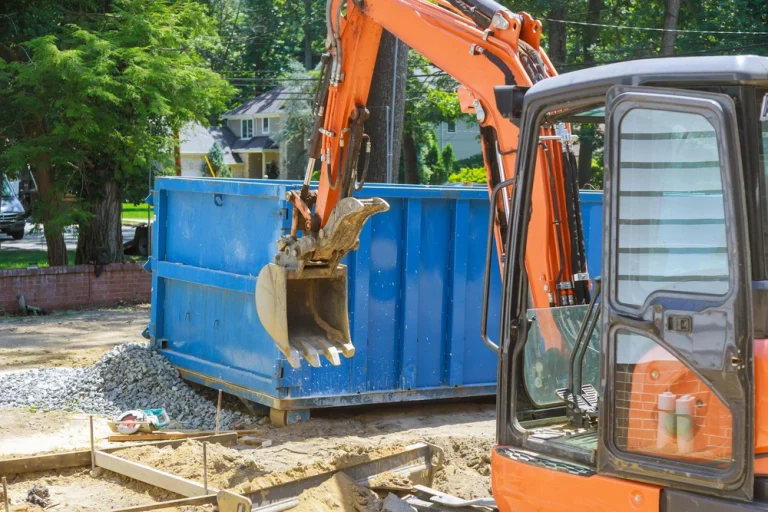
The 12 yard container typically measures around 16 feet long, 8 feet wide, and 3.5 feet high. This size provides about 12 cubic yards of space, offering a generous capacity for different types of debris. Such dumpsters are designed for easy loading with low sides, which facilitate the process of disposing of heavy items. Their compact size allows them to fit in most residential driveways, making them highly versatile. The dumpsters generally have a weight limit, often capable of handling several tons. This ensures you can dispose of heavier materials like concrete, making it useful for construction tasks. You can rely on this combination of size, capacity, and durability for effective waste management.Typical Use Cases
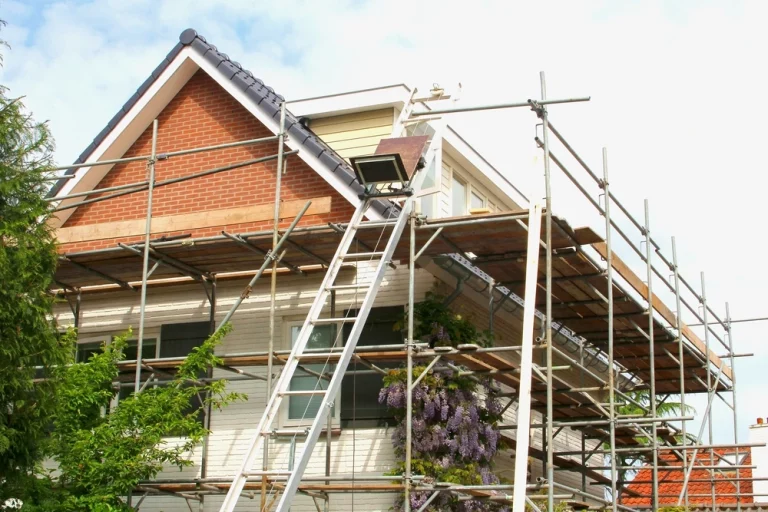
The 12 yard roll off dumpster is ideal for medium-scale projects. You might find it especially useful during home renovations, like kitchen or bathroom remodels, as it can handle a significant amount of debris. For exterior projects, such as deck or roof updates, this container provides the necessary space for larger waste items. It’s also optimal for garage or basement clean-outs, where you need to dispose of accumulated clutter. Additionally, this dumpster is appropriate for small construction sites where managing waste efficiently is crucial. Whether you’re handling household waste or construction debris, the capacity and features of the 12 yard dumpster allow you to execute tasks effectively.Rental Process and Considerations
 Renting a 12 yard roll off dumpster involves understanding the logistics of delivery and pickup, rental periods, and associated costs. By clearly defining these elements, you can ensure a smooth rental experience, whether you’re tackling a home renovation or a construction project.
Scheduling Delivery and Pickup
When renting a 12 yard dumpster, scheduling is critical. Start by determining the ideal delivery date to align with your project timeline. You may need to be present during delivery to ensure the dumpster is placed correctly, usually on your driveway or a designated part of the property. Plan your dumpster pickup in advance to avoid overage fees. Many providers offer a set period for use, so coordinating the pickup with the end of your project can help to minimize costs. Communication with your rental provider is essential to guarantee that both delivery and pickup fit within your schedule.Understanding Rental Periods
Most dumpster rental companies offer flexible rental periods. A typical rental period might range from a few days to a couple of weeks. Understanding these periods is crucial to maximizing your use of the dumpster while keeping costs low. Discuss the rental period options with your provider. If you need the dumpster longer, ask about extensions, which may incur additional fees. Knowing the rental period also helps in planning your project timeline and ensuring there’s adequate time for filling the dumpster without rushing.Assessing Rental Costs
The cost of renting a 12 yard dumpster can vary greatly. Factors influencing the cost include your location, type of debris, and length of rental. For example, the average cost is about $517, but it can range from $316 to $825. To get a precise estimate, contact several providers and request quotes. Ask about flat-rate pricing to avoid hidden fees, and consider what is included in the cost, such as delivery, pickup, and any weight limits for debris. Comparing quotes and understanding cost structures will help ensure that you choose the most budget-friendly option for your needs.Guidelines for Use
Understanding the guidelines for using a 12-yard roll-off dumpster is crucial for safe and efficient waste disposal. Key aspects include adhering to weight limits, knowing what materials are prohibited, and following best practices for loading the dumpster.Weight Limits and Overages
A 12-yard roll-off dumpster has specific weight limits that must be observed. These limits vary based on the type of waste but generally include a maximum capacity to avoid excess charges and structural damage during transport. Exceeding these limits can lead to additional fees.Prohibited Items and Materials
When filling a dumpster, be aware of items that are not allowed. Hazardous materials, such as chemical solvents or batteries, should never be placed in a roll-off dumpster. Yard waste is generally accepted but varies by local regulations. Specific prohibited items include:- Tires
- Paint cans
- Asbestos
Best Practices for Loading
Proper loading of your 12-yard dumpster maximizes space and maintains safety. Start by placing larger and heavier items at the bottom. This helps distribute weight evenly and prevents the dumpster from becoming top-heavy and unstable. Consider using a list for efficient loading tips:- Break down bulky items to save space.
- Distribute weight evenly from front to back.
- Use a ramp for heavy objects to avoid injuries.
Project-Specific Usage Scenarios
 Selecting a 12-yard roll-off dumpster can greatly facilitate waste management in a variety of contexts. Whether tackling home renovations, managing yard waste, or handling commercial projects, this container size is versatile and efficient.