Key Takeaways
- Professional services streamline the attic clean out process.
- Insulation removal can enhance energy efficiency and air quality.
- Addressing contaminants and rodent-proofing improve safety and functionality.

Preparing for Attic Cleanout
Preparing for an attic cleanout involves careful planning and ensuring you have the right safety measures in place. Focus on a thorough assessment and gathering essential equipment to make the process efficient and safe.Assessment and Planning
- Start by inspecting your attic for any potential hazards like exposed nails or loose boards. Make a list of necessary repairs.
- Categorize your items into keep, donate, sell, and dispose piles. This will help you stay organized.
- Create a timeline for the cleanout. Allocate specific tasks for different days.
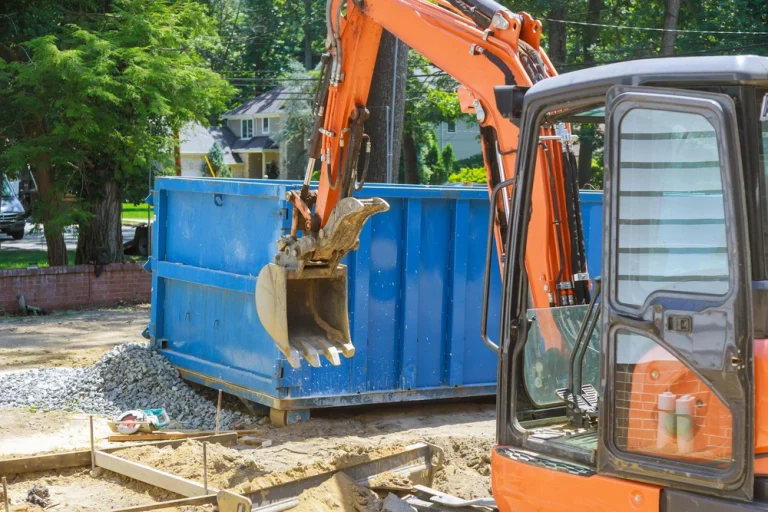
- Consider renting a local dumpster for disposal of large items. This will keep your workspace tidy and save multiple trips to the dump.
- Prepare basic supplies, including boxes, tape, and markers for sorting items. Label everything clearly to avoid confusion later.
Safety and Equipment
- Ensure you have the right safety gear: gloves, mask, and sturdy shoes to protect from debris and dust.
- Use a stable ladder or step stool to safely access high areas. Double-check the ladder for stability before climbing.
- Equip yourself with cleaning tools such as a broom, dustpan, and vacuum cleaner with a hose extension to reach difficult spots.
- Check if your attic has proper ventilation to avoid suffocating from dust. Consider using a portable fan.
- Secure your workspace by lighting dark areas well. Proper illumination helps in avoiding accidents.
- Have a first aid kit nearby to handle any minor injuries immediately. Keeping these safety precautions in mind will ensure a smooth and secure attic cleanout.
Decluttering Process
Effective decluttering involves sorting and categorizing items, removing unwanted items, and organizing the remaining belongings. Proper planning and consistent effort can transform any cluttered attic into a neatly arranged space.Sorting and Categorizing Items
Start by emptying the attic completely. Divide items into categories such as seasonal decorations, family keepsakes, and rarely used items. Create dedicated areas for each category to make the process more manageable. Use storage bins and label them clearly. Keeping items with similar purposes together simplifies the organization. Consider creating a temporary “Maybe” pile for items you’re uncertain about keeping. This will help you focus on what to do with these items later. Make a list of the items and categorize them as “Keep,” “Donate,” “Recycle,” or “Trash.” This helps you stay organized and ensures nothing important gets overlooked.Removing Unwanted Items
Once you’ve sorted the items, it’s time to address the ones you no longer need. Items in good condition can be donated to local charities. This not only helps you clear space but also benefits those in need. For broken or irreparable items, look into recycling options. Electronics, batteries, and certain plastics can’t just be thrown away. Many communities offer recycling programs for such items. Ensure you’re not holding onto unwanted items out of sentimentality. Consider if it holds genuine value or if it’s simply occupying space. Decluttering becomes easier when you focus on keeping only what’s necessary and what truly brings you joy.Organizing Remaining Items
After you’ve dealt with unwanted items, organize what remains efficiently. Place frequently used items in accessible areas near the entrance of the attic. Save the rear spaces for items used less often. Invest in sturdy shelving units to maximize vertical space within your attic. Shelving units help in separating different bins and categories, making it easier to find items. Create an aisle if space permits, allowing easy navigation through the stored items. Label all storage bins accurately and keep an inventory list. Regularly revisit and maintain the organization of your attic by scheduling periodic checks to ensure it stays clutter-free. This proactive approach saves time and effort in the long run.Dealing with Contamination
 Addressing contamination in your attic is crucial for maintaining a healthy living environment. This involves identifying various contaminants and effectively removing pests and rodents that may be present.
Identifying Common Contaminants
Common contaminants in an attic include mold, mildew, rodent droppings, and urine. Mold and mildew thrive in damp, poorly ventilated spaces. Mold can release spores into the air, potentially causing respiratory issues. Rodent droppings, feces, and urine are not only unpleasant but can also carry diseases. Insulation materials may hide contaminants, making it essential to inspect all corners and crevices thoroughly. Using protective gear like gloves and masks during identification is recommended to avoid exposure.Removing Pests and Rodents
Start by sealing off entry points to prevent further infestation. This involves closing gaps, cracks, and any other openings where pests or rodents might enter. Next, remove any visible pests and rodents. Dead animals or rodent infestations should be handled with caution. Using traps and baits can be effective for managing live pests. After removal, thoroughly clean and sanitize the area. Sanitizing surfaces with appropriate cleaners designed for attics can help eliminate any remaining urine, feces, or droppings. This not only cleans but also decontaminates the space, making it safer for your household.Insulation Management
Properly managing attic insulation involves safely removing old insulation and effectively installing new insulation. This ensures energy efficiency and maintains a safe living environment.Insulation Removal
When removing old attic insulation, it’s crucial to follow safety guidelines. Using a high-powered insulation vacuum is the preferred method. This method efficiently removes blown-in insulation and minimizes exposure to dust and debris. Renting a gas-powered vacuum can be necessary for DIY projects, offering the power needed for thorough removal. Manual removal tools like rakes and dustpans help in gathering and bagging insulation remnants. Wearing protective gear, including masks, gloves, and coveralls, is essential. This protects you from potential allergens and contaminants present in the old insulation.Installing New Insulation
Selecting the right type of insulation is the first step in installation. Common options include fiberglass batt, blown-in cellulose, and spray foam. Each type offers different benefits in terms of R-value and installation ease. Ensure chosen insulation complies with local building codes and energy standards. Prep the attic space by sealing air leaks and ensuring proper ventilation. When installing batt insulation, fit pieces snugly between joists without compressing them. For blown-in insulation, use a blower machine to distribute materials evenly. Insulation should cover all open spaces and maintain a consistent depth to maximize energy efficiency. Always follow manufacturer guidelines for the best results.Enhancing Attic Functionality
Enhancing your attic’s functionality involves making eco-friendly upgrades to reduce energy costs and optimizing storage to keep the space organized and accessible.Upgrading to Eco-Friendly Solutions
Incorporating eco-friendly materials can significantly boost your attic’s energy efficiency. Consider adding insulation like spray foam or cellulose, which are both effective and environmentally friendly. Proper insulation helps maintain a consistent temperature, reducing heating and cooling costs. Install energy-efficient windows or skylights. These upgrades improve natural lighting while maintaining thermal regulation. A well-ventilated attic also prevents moisture build-up, reducing the risk of mold. Choose solar-powered attic fans to enhance ventilation without increasing electricity usage. By focusing on eco-friendly improvements, you not only lower your energy bills but also contribute positively to the environment.Optimizing Storage Solutions
Maximizing storage space starts with smart organization strategies. Utilize shelves to stack items vertically and free up floor space. Adjustable shelving units can adapt to your storage needs over time. For smaller items, consider labeled bins or boxes, making it easy to locate and access your belongings. Invest in modular storage units that can be tailored to fit the unique dimensions of your attic. These units provide flexibility, allowing you to reconfigure as needed. Hanging storage solutions, such as hooks and brackets, are ideal for items like holiday decorations and sports equipment. Efficient storage solutions keep your attic clutter-free and accessible, turning it into a practical and organized space.Professional Attic Cleaning Services
 Choosing professional attic cleaning services ensures your attic not only gets cleaned meticulously but also that the process is handled safely and efficiently by experienced professionals. This section covers the benefits of hiring experts and tips on selecting the right service provider.
Benefits of Hiring Experts
Hiring professional attic cleaners brings several advantages. Their expertise ensures that all debris, dirt, and old insulation are removed effectively. Professionals use specialized equipment, like the 23-HP Gas Powered Insulation Removal Vacuum, which significantly enhances the thoroughness and speed of the cleaning process. Licensed and insured professionals also guarantee safety, minimizing the risk of damage or hazardous exposure. Additionally, many companies offer satisfaction guarantees and free estimates, providing peace of mind and transparency regarding costs. Hiring experts often boosts the efficiency of your HVAC system by ensuring ducts are clean and unobstructed. This can lead to lower energy bills and a more comfortable living environment.Selecting the Right Service Provider
When selecting an attic cleaning service, consider companies with proven track records and positive customer reviews. For instance, some companies have many online reviews to back up their reputation. Ensure the company is licensed and insured, which protects you from liabilities. Look for providers offering comprehensive services, such as attic cleaning, insulation removal, and HVAC system cleaning. Request free estimates to compare prices and services. Companies provide upfront, all-inclusive pricing, ensuring there are no hidden costs. Finally, consider their availability and flexibility to fit your schedule.Health and Safety Considerations
An attic clean-out can significantly impact your home’s safety and health. It prevents health hazards and contributes to better indoor air quality.Preventing Health Hazards
One crucial aspect of an attic clean-out is preventing health hazards. Accumulated dust, mold, and pest droppings in the attic can pose severe risks. Mold, in particular, thrives in damp environments and can spread quickly, leading to respiratory issues. To combat these risks, wearing protective gear such as masks and gloves is essential. Rodents and birds often find attics to be a perfect nesting place. Their droppings can carry diseases, and their nesting materials can damage insulation and structures. Regular cleaning and pest-proofing can mitigate future structural damage caused by rodents and birds. Inspect for any signs of pest activity or water damage. Addressing these issues promptly prevents the escalation of health hazards and maintains the structural integrity of your home.Improving Indoor Air Quality
Proper attic cleaning also plays a significant role in improving indoor air quality. Poor ventilation in the attic can lead to the buildup of heat and moisture. This environment is conducive to mold growth and can affect the air circulating through your HVAC system, spreading allergens and pollutants throughout your home. To maintain good air quality, ensure that your attic has adequate ventilation. This might involve installing vents or using dehumidifiers to control moisture levels. Regular checks and cleanings are essential for keeping the air in your home clean. Using vacuum cleaners with HEPA filters can effectively remove dust and allergens during your attic clean-out. A thorough cleaning not only makes the attic safer but also enhances the overall air quality in your living areas. Frequent cleaning can help mitigate these risks, making your home healthier and safer.Completing the Attic Cleanout
 Successfully completing an attic cleanout requires a thorough final review and consistent maintenance to keep the area clutter-free and functional. Scheduling regular cleanouts helps maintain the gains made.