Key Takeaways
- Plan your backyard makeover to turn unused space into a delightful outdoor retreat.
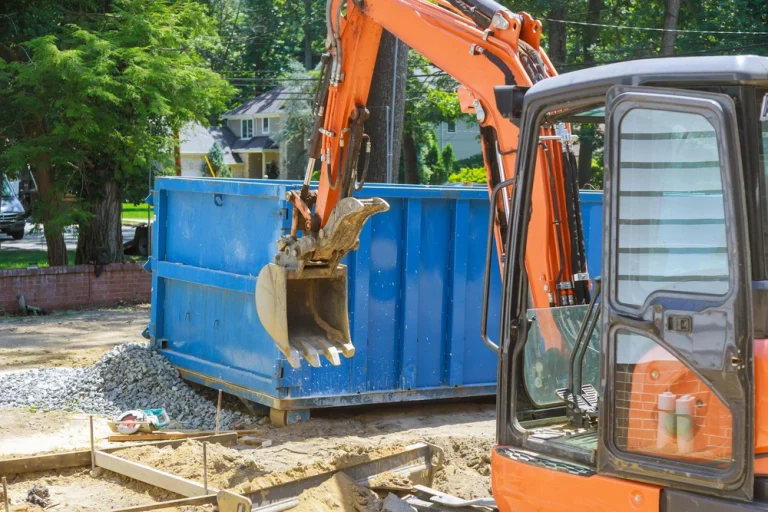
- Dispose of yard waste efficiently with a rental dumpster from Waste Removal USA.
- Integrate variety, from seating to lighting, for a functional and stylish backyard.

Developing Your Backyard Makeover Plan
To ensure your backyard transformation is a success, take a strategic approach by assessing your space, setting a budget, and designing a thoughtful layout that embodies your vision.Assessing Your Space
Start by taking a thorough inventory of your current backyard. Look at the space as a blank slate and measure the dimensions. Consider how the sun hits different areas throughout the day, and identify any existing features that could influence your makeover, like large trees or a slope.Setting a Budget
Determine what you’re willing to spend on this project. Your budget will influence the scope of your makeover and the materials you choose. Keep in mind that even small details can have a big impact, as noted by designer Kathy Kuo, implying that you don’t always have to splurge to achieve significant improvements.Example Budget:- Furniture: $1000 – $3000
- Landscaping: $500 – $2000
- Decor: $200 – $800
- Additional Features (e.g., fire pit, water feature): $300 – $1500
Designing Your Layout
After recognizing your limitations and potential, draft a layout that integrates your backyard makeover ideas. Consider different zones for dining, lounging, and activities. Use garden design principles to create flow and harmony. If you’re wondering how to get started, this guide can provide a comprehensive approach to planning your backyard makeover.Incorporating Seating and Dining Areas
To transform your backyard into a versatile haven, focus on pairing comfort with functionality by selecting the right patio furniture and arranging an inviting outdoor dining area.Choosing Seating Options
When selecting outdoor seating, consider pieces that blend durability with comfort. Adirondack chairs offer a classic look and sturdy design, ideal for lounging in any outdoor setting. For a more flexible arrangement, modular seating can be reconfigured to fit different occasions. Prioritize materials like teak, wicker, or high-grade metal that withstand the elements.- Materials to look for:
- Teak
- Wicker
- High-grade metal
- UV-resistant fabrics
- Types of seating:
- Adirondack chairs
- Modular sofas
- Chaise lounges
- Benches
Creating An Outdoor Dining Space
For the perfect outdoor dining area, start by selecting a dining table that complements the size of your space. A sizable table works well for frequent entertainers, whereas a compact bistro set suits smaller patios. Ensure there’s enough room to move comfortably around the dining set once chairs are in place.Layout tips for dining areas:- Allow for at least 36 inches from the table edge to any walls or other barriers for easy movement.
- Choose stackable or foldable chairs for efficient storage when not in use.
Selecting Hardscape Elements
 When considering a backyard makeover, the hardscape features are pivotal in establishing both the aesthetic and functional framework. Thoughtful selection of materials and design for your patio, deck, and paths will have a significant impact on the overall enjoyment and utility of your outdoor space.
Patio and Deck Design
Your patio and deck are the foundation of your outdoor living area. For a patio, options like flagstone and pavers offer a range of colors and textures that can complement your home’s exterior. If you prefer a more uniform appearance, concrete may be the way to go, providing durability and a sleek finish. When selecting a deck, consider materials like natural wood for a warm, inviting feel or composite for lower maintenance and longevity.- Materials:
- Flagstone: Natural look, various colors, irregular shapes.
- Concrete: Cost-effective, versatile for modern design.
- Pavers: Interlocking, array of designs, easy to replace.
- Decking: Wood (cedar, redwood), Composite materials.
Walkways and Edging
Walkways serve both a practical and decorative purpose, guiding visitors through your garden while contributing to the overall landscape design. Stepping stones can create a charming path, whereas brick or stone edging can delineate spaces effectively. Keep in mind that the materials you choose for walkways should complement those used in your patio or deck to create a cohesive look.- Walkway Surfaces:
- Stepping Stones: Scattered placement, natural path.
- Concrete Pavers: Uniform, contemporary feel.
- Brick: Traditional, versatile patterns.
- Flagstone: Organic forms, distinct look.
Landscape and Garden Creation
Creating a picturesque landscape and garden involves careful selection of plants and strategic installation of structures. Your choice in greenery, ground cover, and garden architecture can transform your outdoor space into a coherent and enjoyable retreat.Choosing Plants and Flowers
When selecting plants and flowers for your garden, consider both aesthetics and growing conditions. Choose plants that will thrive in your climate, soil type, and the amount of sunlight your garden receives. For example, if your garden gets full sun, you might opt for sun-loving perennials such as coneflowers or daylilies. On the other hand, shade-tolerant plants like hostas or ferns are better suited for less sunny spots. Incorporate a mix of annuals, for seasonal color, and perennials, for longevity in your landscape design.- Full Sun Perennials:
- Coneflower
- Daylily
- Shade-Tolerant Plants:
- Hosta
- Fern
Installing Garden Structures
Garden structures, such as trellises or garden arbors, can add height and dimension to your garden. They are particularly useful for climbing plants like roses or ivy, offering both support and a focal point. When installing garden structures, ensure they’re both functional and complementary to your home’s exterior. Garden arbors can define an entrance or pathway, and planters can offer flexibility to change out plants seasonally.- Supportive Structures:
- Trellis
- Garden Arbor
Lawn and Ground Cover Options
Your lawn and ground cover choices are the foundation of your garden’s aesthetic. For a lush lawn, select a grass type suited to your region and lifestyle – for instance, Bermuda grass is both drought-tolerant and wear-resistant, ideal for active yards. Alternatively, ground covers like mulch or creeping perennials can minimize weeding and water use, adding texture and color. Remember that ground cover can go beyond grass; it can be a mix of functional and ornamental elements that complement your plants and flowers.- Grass Types:
- Bermuda Grass (drought-tolerant)
- Kentucky Bluegrass (cool-season)
- Ground Covers:
- Mulch
- Creeping Perennials
Enhancing Privacy and Security
 When planning a backyard makeover, it’s important to consider both privacy and security. A solid privacy fence can provide seclusion, while creative privacy screens add aesthetic appeal without sacrificing protection.
Fencing Solutions
Wood fences are a classic choice for enhancing both privacy and security in your backyard. Here are some specific types to consider:- Standard Wood Privacy Fence: Often at a height of 6 to 8 feet, these fences deter prying eyes and unauthorized entry, ensuring your backyard remains a private retreat.
- Hog Wire Fencing: For a blend of openness and security, consider a hog wire fence. It can be framed and customized for a unique look that still encloses your space.
Privacy Screens and Features
Privacy screens serve as a versatile option to shield your backyard from outside view:- Fixed Privacy Screen: Install a permanent screen, possibly with louvers or frosted glass, to create a stylish barrier.
- Flowy Curtains: For a more flexible solution, install flowy curtains that can be drawn when privacy is needed or tucked away to open up the space.
- Trellis with Climbing Vines: A living wall made of a trellis with lush climbing vines like ivy or jasmine not only blocks sightlines but also adds natural beauty. Over time, it becomes a green, living screen.
Adding Decorative and Functional Lighting
Lighting plays a pivotal role in transforming your backyard into an inviting and functional retreat. Carefully chosen light fixtures not only enhance aesthetics but also extend your outdoor enjoyment well into the evening.String Lights and Lanterns
String lights add a whimsical charm to any outdoor space. The small bulbs offer a warm glow that’s perfect for social gatherings or intimate evenings. Lanterns, on the other hand, can be strategically placed for a more traditional or rustic ambiance. For a durable setup, consider attaching string lights to poles, walls, or draping them through trees. Combining string lights with candlelit lanterns provides layers of lighting that can enhance the mood of any occasion.- Installation Tips:
- Ensure all string lights are rated for outdoor use.
- Use zip ties or hooks for attaching lights to surfaces.
- Space out lanterns to create an even distribution of light.
Landscape Lighting
Landscape lighting elevates the visual appeal of your outdoor space and provides necessary illumination for safety. You can illuminate paths with low-voltage landscape lights to ensure safe navigation through your garden or yard at night. For a dramatic effect, consider using spotlights to highlight trees, sculptures, or architectural features of your home.- Types of Landscape Lighting:
- Path lights: Guide your steps along walkways.
- Spotlights: Draw attention to specific features.
- Accent lights: Offer a subtle touch to softscape elements.
Creating Shade and Shelter
 When planning your backyard makeover, consider the addition of structures like pergolas and gazebos for shade and shelter. These features not only enhance the aesthetic appeal but also provide a cool retreat from the sun.
Pergolas and Gazebos
Pergolas are open structures with a lattice roof, often draped with climbing plants, allowing for a mix of sunlight and shade. Installing a pergola in your backyard creates a defined space for dining, lounging, and entertainment. They can be adorned with fabric covers or retractable canopies for additional shade.On the other hand, gazebos offer a fully shaded retreat with a solid roof. They come in various shapes, including octagonal or square, providing a sheltered outdoor space perfect for relaxing. Gazebos can be equipped with screens or curtains, which not only enhance privacy but also add protection from insects.Canopies and Shade Sails
Another way to create immediate shade is through the use of canopies and shade sails. Canopies are freestanding, with fabrics stretched over a frame. They are versatile and can be relocated as needed to different areas of your yard. For example, a DIY PVC canopy is an affordable and easy-to-build option to create shade over a seating area or sandbox for your children.Shade sails are a modern and stylish alternative that attach to poles or nearby structures, casting a large shadowed area underneath. The beauty of shade sails lies in their variety of colors, shapes, and the ability to personalize your space in a sleek, contemporary manner.Installing Outdoor Features for Entertainment
In a thoughtfully designed backyard, outdoor features serve both as focal points and functional areas for entertainment. Enhance your outdoor living experience by integrating elements that cater to gathering and relaxation.Fire Pits and Outdoor Fireplaces
An outdoor fireplace or fire pit provides warmth and ambiance, making it a favorite gathering spot for you and your guests. Choose a permanent, built-in fireplace as a statement piece or install a modular fire pit for versatility in your entertaining space. Not only do they extend your outdoor season, but they also create a cozy environment for storytelling and stargazing.- Pros:
- Cozy atmosphere for gatherings
- Adds warmth to chilly evenings
- Various design options to match your patio decor
- Cons:
- Requires regular maintenance
- Needs fire safety considerations
Outdoor Kitchens and Bars
Outdoor kitchens take your culinary experiences outside, allowing you to cook and socialize without missing a moment. Complete with an outdoor grill, custom countertops, and storage, they’re perfect for hosting barbeques and parties. Adding an outdoor bar elevates the experience, providing a space for crafting cocktails and serving refreshments.- Key Components:
- Grill: Choose gas, charcoal, or smoker depending on your cooking preference.
- Countertops: Non-porous, weather-resistant materials work best.
- Storage: Weatherproof cabinets for utensils and ingredients.
- Refrigeration: An outdoor fridge or cooler to keep drinks chilled.
Water Features and Pools
Integrate a pool for leisure swimming or a hot tub for relaxation, both of which offer a refreshing escape from the summer heat. Smaller water features, such as fountains or ponds, add a tranquil element to your outdoor space without the commitment of a full-size pool.- Benefits:
- Relaxing retreat within your yard
- Ideal for exercise and entertainment
- Can increase property value
- Considerations:
- Ongoing maintenance and cleaning
- Safety measures, especially with children and pets around
Accessorizing Your Outdoor Living Space
When you think about personalizing your outdoor living space, considering both style and function is crucial. Nothing transforms your patio or deck like thoughtfully chosen accessories that reflect your taste and needs.Outdoor Rugs and Cushions
- Outdoor Rug Selection: Choosing the right outdoor rug can tie your furniture pieces together and define your space with a splash of color or pattern. Look for materials that are durable and designed to withstand the elements, ensuring your rug stays vibrant throughout the seasons.
- Cushion Comfort: Couple your outdoor rug with weather-resistant cushions for your furniture. Bold or neutral, the choice is yours, but remember that these cushions not only add comfort to your outdoor furniture, they are also an opportunity to introduce texture and pops of color to your backyard sanctuary.
Decorative Accents
- Accent Pieces: Personalizing your space is all about the details. From statues to wind chimes, these objects reflect your personality and add character to your outdoor living space.
- Strategic Placement: Arrange accents to create visual interest without cluttering the space. Use side tables to display potted plants, or hang lanterns to add warmth and light. Remember, less is often more—choose pieces that speak to you and complement the overall theme of your outdoor escape.
Implementing DIY Projects for Personalization
Embarking on DIY projects for your backyard allows you to add a unique touch and fully customize your outdoor space. From tailoring planters to your style to creating bespoke seating and decor, these projects give your backyard a personalized flair.Build Your Own Planters
Constructing planters by hand offers you the flexibility to match them to the specific design and color scheme of your backyard. Consider using durable materials like cedar or redwood for longevity. Here’s a basic guide:- Measure and cut your lumber to the desired dimensions.
- Assemble the sides to form a box structure, ensuring it’s square and secure.
- Attach a bottom panel with drainage holes for healthy plant growth.
- Finish with a weatherproof stain or paint for a custom look.
DIY Seating and Decor
Creating your own seating provides a rewarding way to enhance comfort in your backyard. Opt for building a classic wooden bench or upcycle pallets for a rustic touch. For those of you seeking something more leisurely, a DIY hammock or swing can be a fantastic addition:- Hammock: Select two sturdy points for attachment, such as trees or posts. Use heavyweight canvas or outdoor fabric and reliable hanging hardware to ensure safety.
- Swing: A simple wooden seat suspended by durable ropes can become a charming hangout spot. Make sure to anchor it properly to a strong branch or a robust frame.
Maintaining Your Backyard Retreat
After you’ve transformed your backyard into a welcoming retreat, consistent maintenance is key. Your paradise requires attention to keep the garden vibrant and the outdoor space clean and welcoming.Caring for Your Garden
Regular Watering: Ensure your garden’s plants and turf receive adequate water. Your lawn should be watered deeply but infrequently to promote strong roots. For most regions, 1 to 1.5 inches of water per week suffices.Weed Control:- Manual removal is the most effective way to deal with weeds.
- Mulch can prevent weed seeds from germinating.
- Spring: Remove any debris, dead plants, and trim perennials.
- Fall: Mulch your beds to protect from frost and clear fallen leaves to prevent mold and mildew.
Cleaning and Repair Tips
Regular Inspections:- Check for loose boards on decks.
- Repair any damage to avoid accidents and deter pests.
- Hardscapes: Sweep patios and pathways to prevent buildup of mud and debris.
- Furniture: Clean outdoor furniture regularly to prevent mildew and fading.