Key Takeaways
- Billboard removal involves complex planning and economic considerations.
- Projects in Manhattan show the impact and potential benefits of removing billboards.
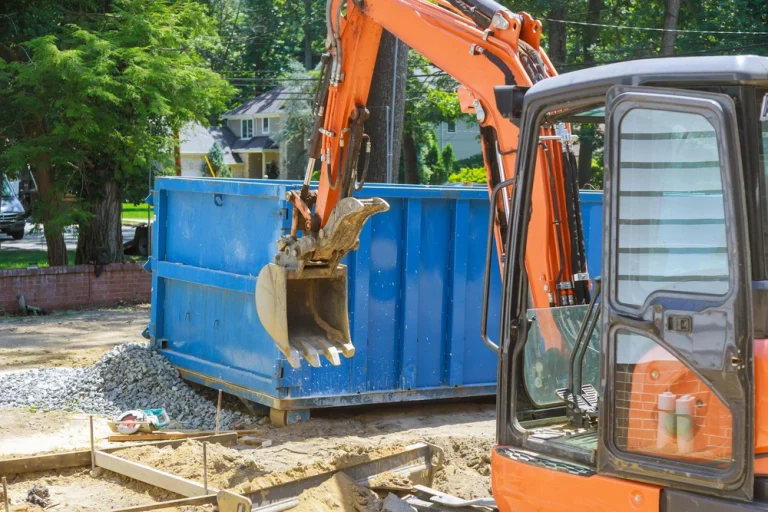
- Renting a roll-off dumpster from Waste Removal USA simplifies debris disposal.

Understanding Billboards and Outdoor Advertising
Billboards are an essential part of outdoor advertising, offering businesses a powerful medium to reach a broad audience. There are various types and formats of billboards, each serving unique purposes and bringing different benefits to advertisers.Definition and Importance of Billboard Advertising
A billboard is a large outdoor display designed to capture the attention of drivers and pedestrians. Typically located in high-traffic areas, billboards prominently showcase advertisements, making them an effective tool for brand awareness and promotion.Billboards play a significant role in advertising due to their ability to reach diverse audiences throughout the day. They are particularly valuable for businesses looking to enhance visibility and create lasting impressions with dynamic and eye-catching designs. Their placement in strategic locations ensures high exposure, helping brands maintain a strong presence in the market.Billboard Types and Formats
Billboards come in several types and formats, including traditional, digital, and mobile. Traditional billboards are static displays that utilize printed materials. These are often seen along highways and busy streets. Digital billboards use LED technology to display rotating advertisements, allowing for greater flexibility and dynamic content. These are gaining popularity due to their vibrant displays and ease of updating.Mobile billboards are placed on vehicles, allowing ads to move around and reach different parts of a city. This format is particularly useful for localized campaigns or targeting specific events and areas. Another format is logo signs placed along highways providing directional information about nearby services such as gas stations and restaurants.When planning for billboard removal, it’s crucial to manage waste efficiently. Using a construction dumpster rental from Waste Removal USA can streamline the cleanup process, ensuring that the project is handled effectively and responsibly.Billboard Removal Processes
Billboard removal involves several critical steps that ensure compliance with local laws and regulations. Key reasons for removal include lease expiration and regulatory changes, while the procedure necessitates obtaining permits and following safety protocols.Common Reasons for Removal
Billboard removal often occurs due to lease issues. When the lease expires, the billboard must typically be taken down unless a new agreement is reached. Negotiating a lease extension can sometimes prevent the need for removal, but be sure to follow the timeline to avoid legal complications.Nonconforming billboards are a frequent target for removal. Regulations might change, rendering some billboards noncompliant. When this happens, municipalities may require these signs to be removed through a process called amortization. This involves setting a deadline, usually within five to seven years, for the billboard to be taken down.Accidents or damage may also necessitate removal. If a billboard is compromised, it could pose safety hazards, prompting immediate action.The Removal Procedure
Start by securing the necessary permits. For instance, in Ohio, you need to apply for a permit from the Ohio Department of Transportation if placing or removing a billboard near a highway. Ensuring all permits are in place is crucial to avoid delays and legal issues.Consider renting a roll-off dumpster from Waste Removal USA to manage debris efficiently during the take-down. This facilitates a smoother process and helps maintain a safe work environment.Timely removal is essential. Begin the process well before the deadline by obtaining a demolition permit if needed. This can help prevent last-minute complications and fines.Finally, it’s vital to follow all safety protocols during removal to prevent accidents. Proper training and equipment usage can mitigate risks, making the process safer for all involved.Legislation and Regulations
 Billboard removal is governed by a complex web of local, state, and federal laws designed to balance environmental concerns and property rights. Both local ordinances and broad federal acts play a role in how billboards are regulated and removed.
Local and State Legislation
Local and state governments have significant authority over billboard regulations. City councils, such as those in various states, often enact ordinances that address billboard placement, size, and removal. For example, many cities have comprehensive land use plans that integrate billboard control within their zoning laws.States are also active in this arena. Some states have enacted laws that ban new off-site billboards and mandate the removal of existing ones by a specified deadline. Legal challenges often arise under First Amendment rights. For large-scale removal projects, using the right dumpster rental size can assist in disposing of materials efficiently.Highway Beautification Act and Federal Regulations
The federal government plays a crucial role through the Highway Beautification Act (HBA) of 1965, championed by the Lyndon B. Johnson Administration. The HBA seeks to control billboard placement along federal-aid highways to protect scenic views. The law limits the size and placement of billboards, requiring that obsolete signs be removed, with just compensation provided under U.S. Code § 131.Federal regulations extend to protecting property rights. For example, billboard owners are ensured fair compensation if their signs are removed under state legislation. This balance between aesthetics and property rights is essential for maintaining the integrity of federal-aid highways.Economic and Community Impact
When removing billboards, both the local economy and community experience significant changes. The economic repercussions can be seen in shifts for local businesses, potential property value changes, and tax implications.Impact on Local Businesses and Communities
Billboards offer a high-visibility advertising platform that benefits many local businesses, especially small and medium-sized enterprises. The removal of billboards can lead to a reduction in local advertising options, potentially impacting customer reach and sales.Landowners who rent space for billboards, like those working with companies such as Lamar, may lose a reliable source of passive income. This change can affect their overall revenue streams. Higher vacancy rates in retail space could follow if businesses struggle with diminishing advertisement methods.Community aesthetics may improve with billboard removal, leading to an increase in property values and subsequently enhancing community pride. However, the initial disruption during the removal process can temporarily inconvenience residents and local traffic.Compensation and Tax Implications
Billboard removal often involves compensating landowners and advertisers for their loss of revenue and advertising space. This process can be costly for local governments, sometimes resulting in litigation and penalties if not handled smoothly.The funds used for compensation may impact local budgets, possibly leading to changes in public projects or services. Tax implications follow the removal, as properties with billboards generally have higher assessed values. Removing them might lower tax income slightly, affecting municipal budgets.Additionally, businesses that relied on billboard advertising might seek other marketing avenues, impacting commercial advertising expenditures and tax write-offs. Policymaking must balance these economic factors to avoid negative financial shifts within the community.Case Studies and Current Challenges
 Removing billboards often involves complex projects with various stakeholders and logistical obstacles. Here are two case studies highlighting the specific challenges and considerations involved.