Key Takeaways
- Look for roof leaks uphill from water damage spots.
- Check common penetrations like chimneys and vents.
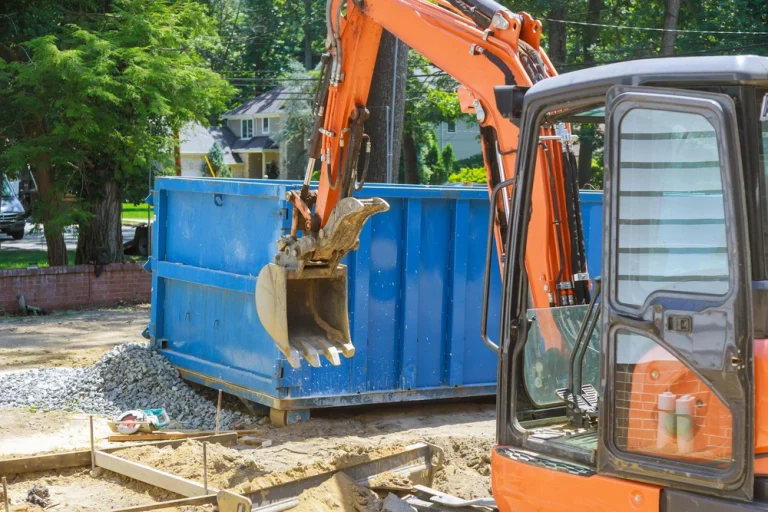
- Manage debris with a roof dumpster rental while repairing leaks.

Understanding Roof Leaks
Roof leaks can cause extensive damage to your home, impacting everything from the structural integrity to interior finishes. Identifying the causes and roles of weather can help you manage and prevent future leaks.Common Causes of Roof Leaks
Leaks often result from damaged shingles, flashing, or other roofing materials. Shingles can crack, curl, or go missing, creating entry points for water. Damaged or improperly installed flashing around chimneys or valleys can allow water to seep into your home.Ice dams can form in colder climates, leading to trapped water that infiltrates your roof structure. Condensation in your attic due to poor ventilation can also mimic roof leaks, making proper diagnosis essential. Regular roof inspections help spot these issues early, minimizing potential damage.The Role of Weather in Roof Leaks
Weather plays a significant role in the condition of your roof. Storms bring heavy rain, wind, and hail, which can damage shingles and dislodge flashing. Persistent rain can exploit any weaknesses in your roof.Cold weather can cause ice dams, where melting snow refreezes at the eaves, causing leak paths. Temperature fluctuations also impact roofing materials, causing them to expand and contract, potentially leading to cracks and gaps. Understanding these weather-related factors allows for better roof maintenance and timely repairs.Identifying Signs of a Leak
Spotting a roof leak early can prevent extensive damage and costly repairs. Look for specific signs both inside and outside your home.Interior Signs of Water Damage
Start by inspecting your ceiling and walls. Look for water stains that appear as dark or yellowish patches. These stains often indicate where moisture has penetrated the interior surfaces.Mold growth is another indicator of a leak. If you notice a musty smell or visible mold, it suggests long-standing moisture issues. Examine corners and edges where the ceiling meets the wall for any peeling paint or bubbling wallpaper, which can be signs of water seeping through.In the attic, check the insulation for dampness. Wet insulation loses effectiveness and can harbor mold. Investigate the roof trusses and sheathing for discoloration, mold growth, or any wet spots.Exterior Inspection Tips
Inspect the roof surface first. Look for missing or damaged shingles, as these can be entry points for water. Pay special attention to the areas around chimneys, vents, and skylights, where seals may deteriorate over time.Gutters and downspouts also play a crucial role. If they are clogged or damaged, water can overflow and cause leaks. Examine the gutter seams and corners for signs of leaks or rust.Use a hose to simulate rainfall on suspected areas. Start low and gradually move upwards, waiting several minutes between each section. This method can help pinpoint the exact location of the leak.Check the flashings around roof intersections and joints. Poorly sealed or corroded flashings are common causes of leaks. Pay close attention to valleys and ridges where different sections of the roof meet.Locating the Leak
 To effectively locate a roof leak, you need to inspect the attic space, conduct a water test, and enlist a helper to identify and track water flow more efficiently. Each method offers a specific approach to pinpointing leaks.
Using the Attic Space
The attic is a critical area for spotting roof leaks. Start by accessing your attic with a flashlight. During or after a heavy rain is ideal, but you can simulate a leak using a garden hose.Carefully inspect the rafters, roof sheathing, and insulation for water stains, wet spots, or mold. Dark spots or discolored wood are indicators of moisture intrusion. Follow the moisture trail uphill to find the source.If your attic has restricted access, use a mirror on an extendable pole to look into hard-to-reach areas. Keep an eye and nose out for musty odors, as they often accompany leaks.Water Testing Method
If natural rain is not available, recreate the conditions using a garden hose. Spray water on different sections of the roof while a helper stays in the attic. Break this process into smaller sections, allowing each area to be thoroughly soaked. This helps pinpoint the leak location more precisely.Your helper should observe and note any water infiltration. Begin at the bottom edge of the roof and move upward. This ensures that any detected leak is not confused by water running down from higher areas.Enlisting a Helper
Having a helper can streamline finding a roof leak. One person stays in the attic, and the other works outside. Communication is key; use radios or mobile phones to stay in touch.Your helper can monitor for water spots, drips, or streams. Meanwhile, you should meticulously cover every section of the roof using your garden hose.This coordinated approach allows you to quickly adjust and move to different areas, ensuring no spot is left unchecked. A helper can also manage tools and take notes, increasing efficiency and accuracy.Repairing a Roof Leak
Repairing a roof leak can involve immediate temporary measures or long-term solutions for more significant damage. Always prioritize safety, using the right tools and equipment, including a dumpster rental for roofing.Temporary Fixes
For temporary fixes, start by identifying the leak’s location and using a tarp to cover the affected area. Secure the tarp with nails or roofing cement to prevent further water damage.Alternatively, use roof sealant to patch up smaller leaks. This can be especially useful around flashing or seam areas where water tends to penetrate. If the leak is near the gutter, make sure it’s cleared of debris, as a clogged gutter can exacerbate the issue.A roof repair tape, like peel-and-stick patches, provides a quick fix for small holes or tears.Long-term Solutions
Long-term solutions often require a more comprehensive approach. First, replace any damaged shingles or roofing materials. If the underlying structure, such as the roof deck, is compromised, more extensive repairs involving roof cement or a complete section replacement might be necessary.Consider using professional roofing sealant for waterproofing. This helps to ensure durability and longevity. For more extensive damage or complicated leaks, hiring a professional is advisable to evaluate and perform a thorough roof repair.A professional can also inspect and reinforce vulnerable areas like chimneys, vents, and skylights to prevent future leaks.Safety Precautions
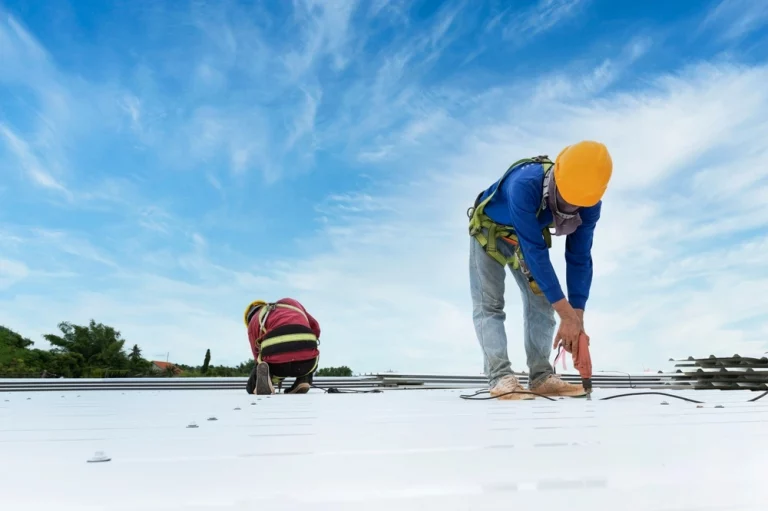
Safety should be your top priority when repairing a roof. Always use a sturdy ladder with a stabilizer and have a spotter if possible. Wear non-slip shoes to provide better traction on the roof surface.When using tools like roof cement or sealant, follow the manufacturer’s instructions and wear appropriate protective gear, such as gloves and safety glasses. If working on steep or high roofs, employing a harness system is recommended to prevent falls.Additionally, avoid performing repairs in adverse weather conditions; wait for a dry, calm day to ensure better control and safety during the repair process.The Importance of Flashing
 Proper roof flashing is critical in preventing water leaks by directing water away from vulnerable areas. Damaged flashing can compromise a roof’s integrity and necessitate timely inspection and repair.
Checking for Flashing Damage
When checking for flashing damage, start by inspecting all locations where the roof meets vertical structures such as chimneys, walls, and vents. Flashing in these areas, often referred to as step flashing, is particularly prone to damage.Look for visible signs of wear such as rust, cracks, or loose nails. Missing or deteriorated caulk around the flashing can also be an indicator of potential trouble. Water stains or mold near these structures may further suggest flashing issues, necessitating a closer look.Utilize binoculars for a thorough inspection if access to the roof is limited. Addressing damaged flashing early can prevent more extensive damage to the underlying roof structure.Replacing Damaged Flashing
To replace damaged flashing, begin by carefully removing the old flashing. Use a pry bar to lift shingles and gently loosen the flashing, taking care not to damage the surrounding materials.After removing the damaged flashing, measure the area to cut a new piece of flashing to size using tin snips. Make sure the new flashing matches the thickness and material of the existing roof flashing.Secure the new flashing in place with roofing nails or screws, ensuring it is aligned properly with the adjacent shingles. Apply a high-quality, weatherproof caulk to seal all edges and joints, preventing water from seeping underneath and causing future leaks. Proper installation and sealing ensure the long-term effectiveness of your roof flashing.Dealing with Shingles
Properly addressing issues with shingles is crucial to maintaining a healthy roof and preventing leaks. You’ll need to know how to spot damaged or missing shingles and understand the steps for repairing or replacing them.Spotting Shingle Issues
Identifying problems with your shingles is the first step in preventing roof leaks. Look for dark patches or lighter areas, which often indicate missing or damaged shingles.Signs of wear include curled edges, cracks, or shingles that appear to be lifting. From ground level, missing shingles might show as an uneven roof surface. Don’t forget to check for loose shingles, especially after severe weather, as these are often precursors to more extensive damage.Repair and Replacement of Shingles
Repairing or replacing shingles requires the right tools and materials. Start by collecting replacement shingles that match your existing roof, roofing nails, a sturdy hammer, and a pry bar. Safety gear like gloves and a harness is also essential.Carefully remove damaged shingles by lifting the surrounding ones with the pry bar. Nail in the new shingle securely, ensuring it aligns with the rest of the roof. In the case of a large section of missing shingles, you might need to consider professional help to ensure proper sealing and alignment, preventing future leaks.For a step-by-step guide, consider reading detailed instructions on how to deal with missing shingles.Structural Considerations
 When dealing with a roof leak, assessing the structural components of your roof is crucial. This involves inspecting both the roof decking and rafters as well as addressing any mold and rot that may have developed.
Assessing Roof Decking and Rafters
Begin by examining the roof decking and rafters for any signs of water damage. Look for warped plywood or discolored areas indicating prolonged exposure to moisture. Pay attention to the joints and intersections where leaks are more likely to compromise the structural integrity.Check rafters for any visible signs of rotted wood. Rot can weaken the rafters, making them unable to support the roof structure properly. Ensure the plywood is intact, as any soft spots can indicate serious moisture penetration.Investigate the attic area thoroughly. Use a flashlight to spot any hidden water trails or damp patches. Addressing these issues promptly can prevent further deterioration and potential roof collapse.Addressing Mold and Rot
Mold growth and rotted wood are common problems resulting from prolonged roof leaks. Inspect the attic and roof decking for mold spores, which thrive in a moist environment. Mold can spread rapidly, affecting indoor air quality and posing health risks.Remove any moldy insulation or materials. Clean affected areas with a bleach solution or a commercial mold remover. Ensure proper ventilation in the attic to minimize moisture buildup, which fosters mold growth.Serious cases of wood rot require immediate attention. Replace any rotted plywood or rafters to maintain the structural integrity of your roof. Always wear appropriate safety gear when handling mold and be cautious when working in confined attic spaces to avoid inhaling mold spores.Professional Roofing Services
Using professional roofing services ensures accurate diagnosis and repair of roof leaks. Knowing when to call an expert and how to choose a professional roofer are crucial steps to protect your home.When to Call an Expert
You should contact a professional roofing contractor when you can’t locate the source of the leak or if your roof is angled. They have the tools and expertise to identify even the most elusive leaks.Safety is another critical factor. Climbing onto the roof without proper equipment or experience can be dangerous. Professionals use safety gear and non-slip shoes.If your initial inspection reveals significant damage or if temporary fixes fail, it’s essential to get a comprehensive assessment from a professional roofer to avoid further issues.Choosing a Professional Roofer
Selecting a professional roofing company involves checking their credentials. Look for licenses, insurance, and certifications that demonstrate their legitimacy and expertise in the field.Reviews and testimonials can provide insight into the quality of their work. Check for consistent positive feedback and any patterns of complaints.Discuss the specifics of your roof issue with them. A reliable professional roofing contractor should offer a clear plan of action, including detailed estimates and timelines.Price is also a factor but prioritize quality and reputation over the lowest bid. Investing in a competent professional roofer ensures durable repairs and long-term peace of mind.Preventative Maintenance and Care
 Implementing regular inspections and maintenance, along with measures to prevent future leaks, can significantly extend the lifespan of your roof. Attention to insulation, ventilation, and ensuring gutters are clear are critical components.