Key Takeaways
- Changing providers can resolve delays or unexpected costs.
- Efficient waste management impacts project timelines.
- Right provider ensures regulatory compliance and safety.

Understanding Dumpster Rental Essentials
Choosing the right dumpster rental provider involves more than just cost considerations. You need to focus on selecting the appropriate dumpster size and ensuring effective waste segregation to avoid complications.Determining the Right Dumpster Size
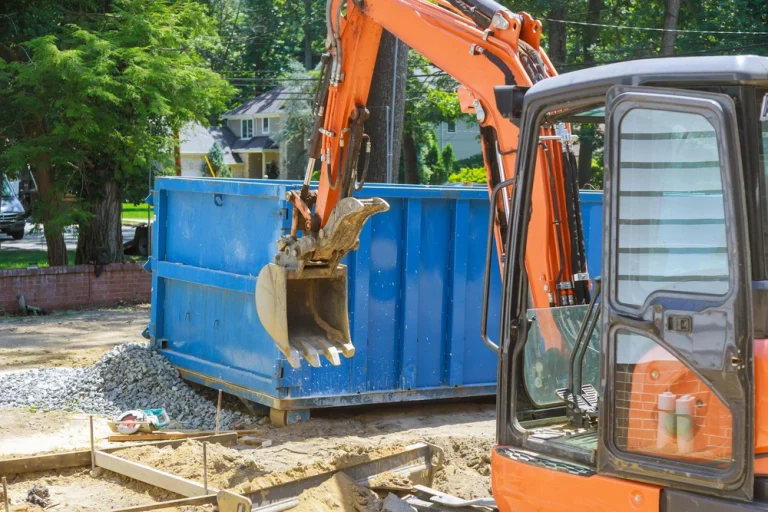
Selecting the correct dumpster size is a fundamental aspect of renting a dumpster. Construction projects often involve substantial debris, so you must assess your project needs carefully. Roll-off dumpsters are popular for construction work due to their size and ease of use.Dumpster sizes are typically measured in cubic yards. They range from small 10-yard containers for minor renovations to large 40-yard dumpster options suitable for extensive projects. It’s crucial to estimate the volume of waste you expect to generate. This ensures you choose a dumpster that prevents overflow and unnecessary additional costs. Understanding the different dumpster sizes and their specific applications can lead to more efficient and cost-effective waste management.Recognizing the Importance of Proper Waste Segregation
Proper waste segregation is essential in managing construction waste effectively. Different types of waste, such as concrete, wood, and metal, often need separate disposal methods due to environmental regulations. As a result, knowing the types of materials you will handle is key. Communicating with your dumpster rental provider about the specific waste types ensures you comply with regulations and avoid additional fees.Some providers offer specialized containers to manage hazardous materials separately. It’s advisable to create a clear plan for sorting waste on-site. A systematic approach to waste segregation not only meets compliance requirements but also helps reduce environmental impact and improve overall project efficiency. Understanding waste segregation practices can help you align with best practices and responsible waste management.Evaluating Waste Management and Disposal Practices
Effective waste management is crucial in the construction industry. Your approach to disposing of construction debris and incorporating sustainable practices like recycling can significantly impact your company’s environmental responsibility.Assessing Your Current Construction Debris Disposal
Reflect on how efficiently your company manages construction debris. Evaluate if your current dumpster rental provider offers timely pickup and delivery. Late pickups can delay projects and increase costs. Consider whether the provider can handle different types of construction waste, such as concrete, wood, and metals.Check if they comply with local regulations and environmental standards. Aligning with a provider that prioritizes sustainability can enhance your company’s commitment to environmental responsibility. Look for transparency in their practices, ensuring they use eco-friendly disposal methods.The Role of Recycling in Construction
Incorporating recycling into your waste management strategy is essential. Evaluate if your dumpster rental provider facilitates recycling by separating materials on-site or at their facility. Recycling not only reduces landfill waste but can also cut costs by reusing materials like metal and asphalt.Review if your provider is knowledgeable about sustainable practices and can offer solutions to maximize recycling efforts. This can include guidance on how to sort materials or advice on recycling programs available in your area. Ensuring your provider supports these efforts will enhance your company’s environmental reputation.Considering Cost Factors in Dumpster Rentals
 When managing a construction project, keeping an eye on dumpster rental costs is essential to avoid unexpected expenses. Cost considerations include the impact of rental duration and the potential for overage charges, both of which can significantly influence your overall budget.
Analyzing Rental Duration and its Impact on Costs
Choosing the right rental duration is crucial. Rental periods can range from a few days to several months, depending on the scope of your project. A short-term rental might suit quick, small-scale projects, but longer projects may benefit from extended rental terms.Be aware that keeping a dumpster beyond the pre-arranged period might result in additional fees. These extra charges can add up, potentially impacting project costs significantly. To mitigate these expenses, accurately assess your project timeline. Selecting the right rental period from the start can help keep expenses on track.The True Cost of Overage Charges
Overage charges can unexpectedly inflate your costs if not carefully managed. These charges apply when the weight of the disposed material exceeds the rental agreement’s specified limit. It’s crucial to understand how much debris your project will generate and choose a dumpster with appropriate weight limits to preempt exceeding them.Exceeding these limits often results in significant extra fees, which can affect your budget. To avoid such charges, regularly monitor your dumpster’s fill level and schedule timely pickups or swaps if necessary. Planning your disposal strategy can help you circumvent these potentially steep charges and maintain control over your rental expenses.Assessing the Impact of a Provider on Project Efficiency
Effective management of construction projects hinges on efficient coordination with your dumpster rental provider. Key elements like timely debris removal and adept logistics management play a critical role.The Importance of Timely Debris Removal
Timely debris removal is vital to project efficiency. When waste piles up, it can lead to safety hazards, regulatory fines, and workflow disruptions. A capable provider ensures dumpsters are emptied and replaced promptly, keeping your work site clear and compliant.Fast removal enables seamless transitions between different construction phases. For example, after concrete pouring, debris removal allows immediate site preparation for finishing work. Providers promising dependable scheduling help mitigate delays and keep your project on track.A consistent service reduces bottlenecks related to debris buildup. This means less downtime and more continuous productivity, addressing both project efficiency and safety.Navigating Logistics with Your Dumpster Rental Provider
Logistics** involve coordinating the right type and number of dumpsters at each project stage. This coordination can affect both project timelines and costs.It’s crucial to choose a provider who understands construction site needs. They should offer adaptive logistics solutions tailored to project specifications. For instance, larger sites might require multiple dumpsters with varied capacities.Effective providers use tracking technology and reliable scheduling methods to enhance service delivery. This technology helps plan dumpster drop-offs and pickups precisely, preventing site congestion.Open communication ensures adjustments are swiftly made as project demands evolve. A strategic partner in logistics enhances efficiency by optimizing waste management across various phases of your construction project.Complying with Regulations and Emphasizing Safety
 Ensuring compliance with local regulations and maintaining safety in waste disposal are critical factors in selecting a reliable dumpster rental provider. This approach minimizes risks and supports the success of home renovation and demolition projects.