Key Takeaways
- Promptly addressing fire and smoke damage is crucial for effective restoration.
- Professional services can be invaluable in assessing damage and initiating cleanup.
- Ensuring personal safety and property security are immediate priorities post-fire.

Immediate Steps After a House Fire
In the immediate aftermath of a house fire, it is crucial to prioritize your safety, initiate the insurance claim process, and take necessary measures to protect your property from further damage.Safety First
Your immediate concern should be the safety of everyone involved. Do not re-enter your home until the fire department says it’s safe. Fires can compromise structures, create toxic fumes, and lead to unseen hazards. If you haven’t already, call 9-1-1 to report the fire, even if it’s been extinguished. Follow any instructions provided by emergency responders. Once the fire marshal gives you permission, document the damage with photos or videos for your insurance company, but only if you can do so safely.- Key Safety Tips:
- Wait for clearance from the fire department before entering.
- Give first aid to anyone injured and seek medical care.
- Do not turn on utilities. Wait for professionals to do so.
- Watch out for structural damage and loose power lines.
Contacting Your Insurance Company
Reach out to your insurance company within 24 hours of the fire, if possible. Beginning the claim process quickly is essential for covering your damages and securing temporary housing if needed. Provide your insurer with initial details of the fire and damage. They will guide you through the next steps, which may include submitting a “proof of loss” claim. Keep all your receipts related to any immediate repairs or living expenses incurred as a result of the fire, as they may be reimbursable under your policy.- Important Information for the Insurance Company:
- Date and time of the house fire.
- Description of the property damage.
- List of damaged or lost items.
- Current contact information and the best time to reach you.
Securing the Property
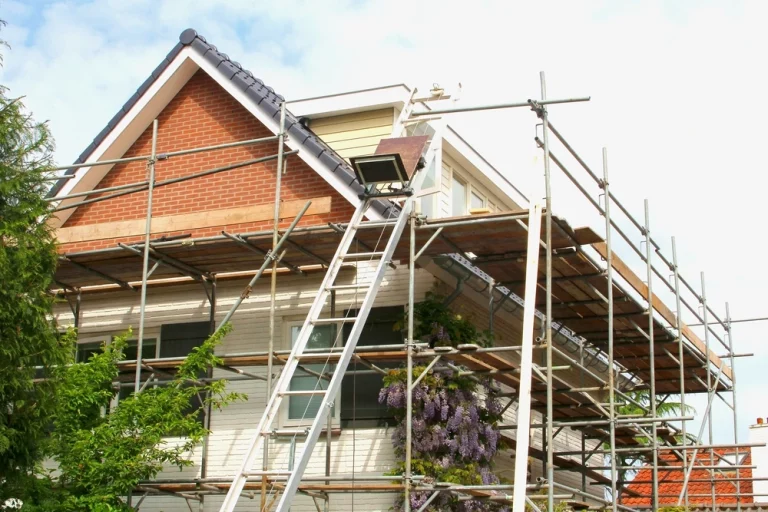
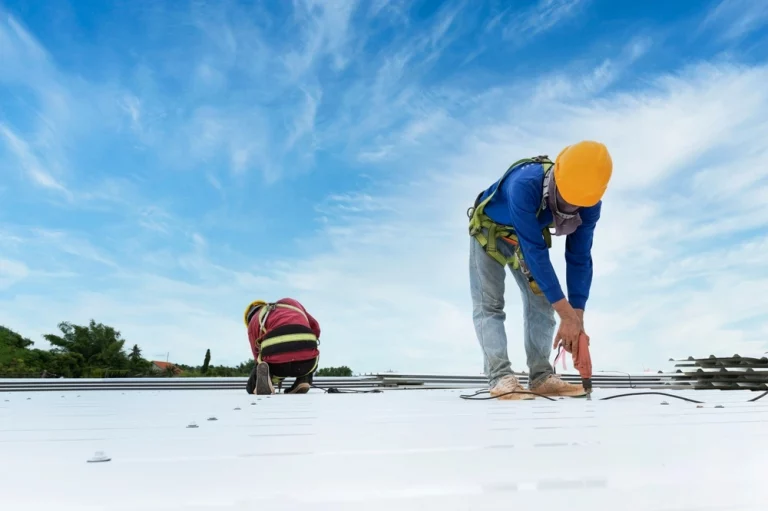
Once you have official permission to re-enter your home, take steps to prevent further damage. This might include boarding up windows, covering holes in the roof, and securing doors to keep the elements and unauthorized people out. Many insurance policies require that you mitigate additional harm to your property after a disaster, so it’s important to act promptly. Some insurance companies may be able to recommend or arrange for professional services to help with securing your property.- Property Protection Measures:
- Board up openings.
- Seal off damaged areas.
- Remove valuable items if safe to do so.
- Consider hiring a professional restoration company for clean-up.
Assessing Fire and Smoke Damage
 After a house fire, it is crucial to evaluate the extent of fire and smoke damage promptly and thoroughly. This step determines both the scalability of clean-up efforts and how to proceed with restoring your home to a safe living condition.
Professional Inspection
It’s imperative that you engage professional services to conduct a thorough inspection of the fire-damaged property. These trained professionals will assess structural damage as well as areas affected by smoke and soot. They are equipped to determine the integrity of the building’s core structures, like beams and walls, which could be weakened and not immediately apparent to the untrained eye. Through a detailed inspection, they will also identify safety hazards, such as compromised electrical systems or weakened floors, ensuring that the site is safe for further clean-up and restoration activities.Identifying Salvageable Items
As you sift through the aftermath, it’s important to decide which items can be saved and which must be discarded. Items affected by soot or smoke damage may be restorable. A professional assessment provides a better understanding of the likelihood of successfully cleaning various materials and belongings, from furniture to personal items. This process often requires a keen eye to discern between mere surface damage and deep, irreversible harm to items.Health Risks from Smoke and Soot
Exposure to smoke and soot can pose significant health risks. Soot is a fine particulate matter that can get into your lungs and bloodstream, potentially leading to a range of health issues. Professionals can inform you about the necessary safety measures and equipment to avoid inhalation or ingestion of these harmful particles. Proper ventilation and the use of personal protective equipment (PPE) like masks and gloves are strongly recommended when dealing with soot and smoke remnants. It is essential to heed professional advice to minimize health risks as you work towards recovering your home.Cleaning and Restoring Your Home
After a house fire, the rehabilitation of your home involves meticulous steps that target water-related damages, residue left by soot and smoke, and the restoration of structural integrity and aesthetic appeal. It’s crucial that you approach each of these aspects with due care to ensure a complete and health-conscious recovery of your living space.Removal of Water and Mildew
The first step in the aftermath of a fire is to address any water damage. Standing water must be extracted promptly to prevent the proliferation of mold and mildew, which can further deteriorate your home and impact your health. Employ a high-powered vacuum and dehumidifiers to dry out the premises thoroughly, including drywall, carpets, and furniture.Once dry, inspect for any signs of mold. Small areas of mold and mildew can be treated with a solution of 1 cup bleach to 1 gallon of water. For larger infestations or if mold has penetrated porous surfaces such as wood, it’s best to seek professional restoration services. These certified experts have the proper equipment and expertise to ensure that your home is safely and effectively treated for water and mold damage.Soot and Smoke Residue Cleaning
Cleaning soot and smoke residue is a delicate process that requires attention to detail. Non-porous hard surfaces can be cleaned with a solution made from Tri-Sodium Phosphate (TSP) mixed with bleach and warm water. This powerful mixture can help in cutting through the soot on surfaces like tiles, metal, and glass. For washing soft materials or clothing, you might consider a gentle cycle with appropriate detergents, possibly with one tablespoon of pure vanilla extract to help neutralize odors.During this process, wear gloves and masks to protect from the caustic nature of the materials used in the cleaning process. It’s essential to work in small sections, particularly on walls and ceilings, to ensure thorough cleaning. If you’re unsure or find the damage extensive, contact a fire restoration company. Their specialized knowledge in fire damage restoration can prove invaluable.Repairing Structural and Cosmetic Damage
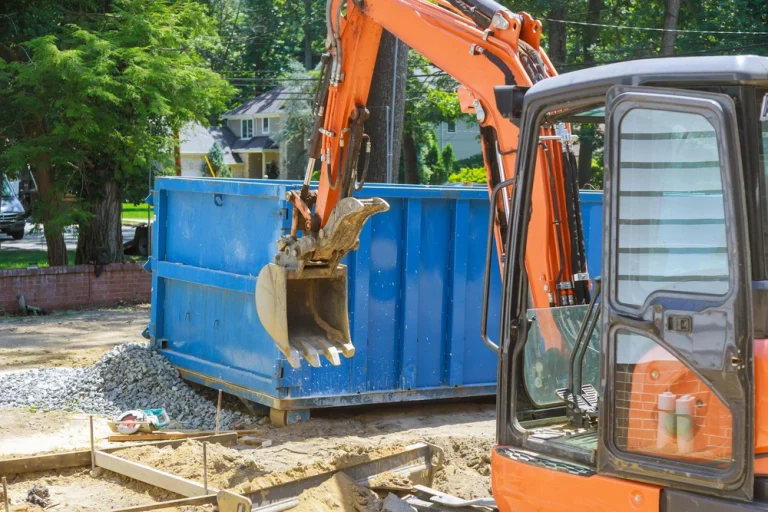
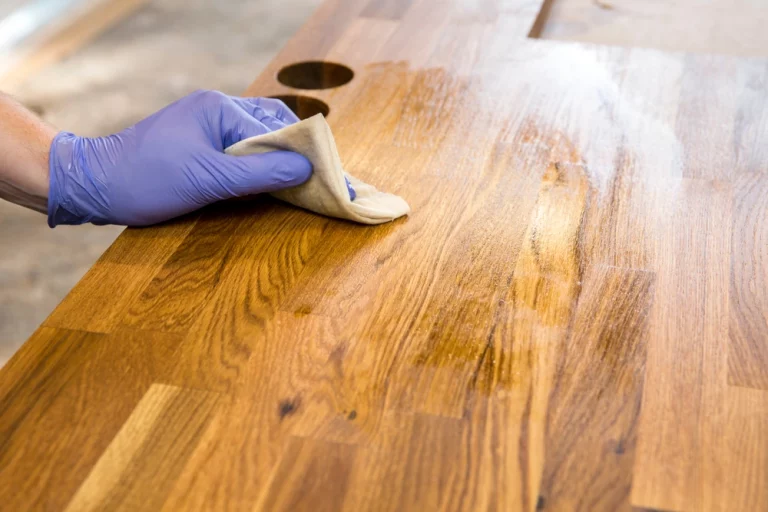
Once the cleaning phase is completed, you can move on to repairing both structural and cosmetic aspects of your home. This may involve replacing compromised drywall, addressing any damaged electrical systems, and refreshing the space with new paint. While cosmetic repairs like painting and refinishing wood surfaces may seem straightforward, structural repairs should typically be handled by professionals to ensure your home’s safety and integrity.To restore a space to its pre-fire condition, it’s beneficial to work with a comprehensive fire damage restoration service that can assess the integrity of the structure, identify which materials can be salvaged and which need replacement, and carry out the repairs with certified expertise. Remember, engaging with professionals can expedite the process and help alleviate the stress associated with a fire’s aftermath.Throughout the entire process of cleaning up after a house fire, a residential dumpster rental can be very helpful for getting rid of the trash and damaged materials. You can also use a construction dumpster rental when it’s time to rebuild.Handling Personal Belongings
 In the aftermath of a house fire, taking proper steps to recover your personal belongings can significantly mitigate the loss. Specific methods are essential for dealing with various items such as clothing, furniture, and electronics, each requiring careful attention to detail.
Clothing and Textile Recovery
For clothing and textiles exposed to smoke, removing odors and soot is your first priority. Begin by separating salvageable items from those too damaged to save. You can usually wash smoke-damaged fabrics using mild detergent in the hottest water the fabric can handle.- Pre-treat with a mixture of detergent and water.
- Avoid machine drying until the odor is gone, as heat can set the soot.
Cleaning of Furniture and Upholstery
Your approach to furniture and upholstery cleanup will vary depending on the material. Use a vacuum with an upholstery attachment to gently remove soot from the surface. Then, for wooden furniture:- Wipe with a damp cloth using a mixture of water and vinegar.
- Remember to treat leather with a specific leather conditioner.
Restoring Appliances and Electronics
For appliances and electronics, the goal is to prevent further corrosion from soot and water used to extinguish the fire. Do not attempt to turn on any fire-damaged electronics before they are professionally cleaned, as this could cause damage or injury.- Disconnect the power source and remove batteries if possible.
- Wipe the external surfaces with a cloth dipped in a solution of alcohol and water.