Key Takeaways
- Proper planning is crucial for successful demolition projects
- Renting a dumpster helps manage debris and waste
- Safety protocols are essential in every demolition project

Planning and Preparation
Effective planning and preparation are critical for any demolition project. This involves a comprehensive understanding of demolition types, careful site assessment, securing necessary permits, and prioritizing safety and environmental considerations.Understanding Demolition Types
Various types of demolition projects include home remodeling projects, house tear downs, and shed tear downs. Each type has its specific requirements and safety measures. For instance, partial demolitions in home renovations may involve removing walls while preserving the structural integrity. Complete house tear downs demand more extensive planning to manage the entire structure’s safe dismantling. Smaller projects like shed demolitions might seem simpler but still require careful execution to avoid damage to surrounding property and ensure proper debris disposal.Site Assessment and Project Scope
Conducting a thorough site assessment is crucial to understand the project scope. This process involves examining the building’s layout, identifying hazardous materials like asbestos, and determining the proximity of utilities. You need to assess access points for heavy machinery and consider space for dumpster rentals for debris management. Identifying these factors early helps in defining the project’s scale and preparing for any challenges. Accurate site assessments also help in creating a realistic timeline and budget.Obtaining Permits and Understanding Local Regulations
Securing the appropriate permits and understanding local regulations is essential. Each municipality has specific requirements for demolition work to ensure safety and compliance with environmental standards. Begin by consulting the local building department to confirm what permits are necessary. You must also be aware of regulations related to noise control, working hours, and debris disposal. Failure to comply with local regulations can result in fines or project delays. Make sure to submit all required documentation and follow the specified guidelines to keep the project on track.Safety and Environmental Considerations
Safety and environmental considerations should be at the forefront of any demolition project. Implementing safety measures such as protective gear for workers and secure barriers around the site is mandatory. Ensure that utilities are disconnected before work begins to prevent accidents. Additionally, assess the environmental impact by identifying pollutants and hazardous materials.Proper disposal methods must be used to minimize harm. Renting a dumpster can aid in managing debris and keeping the site clean. Make it a priority to recycle materials where possible and comply with all environmental regulations to ensure a responsible demolition process.By addressing these crucial areas, you can ensure your demolition project is executed efficiently, safely, and in line with all regulatory requirements.Common Demolition Projects
 Demolition projects vary in complexity and scale, each requiring different methods and considerations. From commercial redevelopments to residential remodels, it’s important to understand the key elements involved in each type of project.
Commercial Building Redevelopment
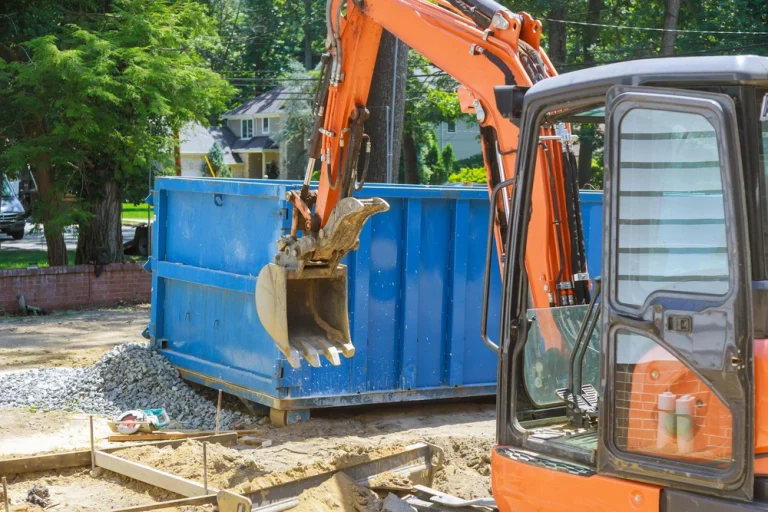
Commercial building redevelopment often involves the use of large-scale mechanical demolition. Contractors must first ensure all utilities are disconnected and obtain the necessary permits. Safety is paramount, requiring adherence to strict guidelines and the use of personal protective equipment (PPE). Specialized equipment such as excavators with attachments like shears and hydraulic hammers are typically used. It’s also crucial to manage debris responsibly, often through the rental of large dumpsters for efficient removal.Kitchen Remodeling
Kitchen remodeling projects usually entail selective demolition. This approach allows you to remove specific elements like cabinets, countertops, and walls while preserving the rest of the structure. Safety goggles, gloves, and heavy-duty footwear are essential. Deconstruction techniques may be used to salvage reusable materials. Hiring skilled personnel ensures the process is both safe and efficient. Renting a dumpster for debris can help keep the work area clean and organized.Shed Replacement
Replacing a shed often involves straightforward tasks, but it’s important to follow proper safety protocols. Manual tools like sledgehammers and crowbars may be sufficient, but small mechanical tools can speed up the process. Wearing PPE such as gloves and safety glasses is crucial. Ensure that all electrical and plumbing connections are safely disconnected. Using a yard waste dumpster for old materials can simplify the clean-up.Bathroom Remodeling
Demolishing a bathroom requires careful planning and specific safety measures. This project typically involves removing fixtures, tiles, and sometimes walls. Contractors often use a mix of manual and mechanical tools. Safety guidelines must be strictly followed, including the use of PPE. Properly sealing off the area can prevent dust and debris from spreading. Renting a residential dumpster helps manage the significant amount of waste produced.Industrial Site Clearance
Industrial site clearance is a complex task that demands experienced personnel and specialized equipment. Mechanical demolition methods, such as using hydraulic excavators, are commonly used. Safety protocols are stringent due to the potential hazards involved. Often, hazardous materials need to be properly handled and disposed of according to environmental regulations. Efficient debris removal is critical, typically involving large construction dumpsters.Residential Building Reconstruction
Demolition for residential building reconstruction can range from partial to complete tear-downs. Selective and mechanical demolition methods are often used, depending on the scale. Ensuring the safety of both personnel and surrounding structures is crucial. Disconnecting utilities and adhering to safety guidelines are critical steps. Renting a dumpster is advisable for managing the debris.School Renovations
School renovation projects often necessitate planned and controlled demolition. The safety of students and staff is a priority, requiring well-defined safety measures and guidelines. Mechanical demolition methods may be used for larger structures, while selective demolition can save specific elements. It’s essential to coordinate with school administration to minimize disruption. Efficient debris removal ensures the project site remains safe.Hospital Remodeling
Remodeling a hospital involves stringent safety protocols to protect patients and staff. Selective demolition is usually employed to ensure minimal disruption to ongoing medical services. Contractors must use deconstruction techniques to salvage and recycle materials whenever possible. Noise and dust must be controlled rigorously, often requiring specialized equipment. Securing a dumpster for debris management helps maintain a clean work environment.Environmental Remediation
Environmental remediation projects are highly specialized, requiring careful planning and execution. These projects often involve removing contaminated soil or hazardous materials from a site. Safety guidelines must be strictly followed, including the use of appropriate PPE. Both mechanical demolition and deconstruction techniques can be used to minimize environmental impact. Proper disposal of hazardous waste is critical, and an eco-friendly dumpster may be used for non-hazardous debris.Handling Materials and Waste
 In any demolition project, whether it’s a home remodeling, a house teardown, or a shed removal, you need a system for managing the debris and separating hazardous materials. Efficient waste handling can significantly streamline your project and minimize environmental impact.
Disposal of Debris and Hazardous Materials
Handling demolition debris often involves removing a variety of materials, such as wood, concrete, and metal. You should use a dumpster rental service to manage this debris efficiently. This ensures you have a designated place to collect waste, making the site cleanup process more manageable.For hazardous materials like asbestos, lead paint, or mercury, you need specialized disposal procedures. It’s crucial to identify these materials early and follow legal guidelines to mitigate health risks. Hiring professional waste removal services can help ensure these materials are managed safely.Key Actions:- Rent appropriate dumpsters for different types of debris.
- Identify hazardous materials early.
- Follow local regulations for hazardous waste disposal.
Recycling and Salvage Operations
Recycling and salvage are critical aspects of handling demolition waste. Recyclable materials such as metal, plastic, and glass should be separated from general waste. Set up dedicated bins for these materials to streamline the process.Salvage operations can extend the lifecycle of materials like wood, doors, and fixtures. Rather than sending everything to landfill, consider contacting local recycling centers or salvage yards. These facilities can repurpose materials, benefitting the environment and potentially lowering your disposal costs.Key Actions:- Set up labeled bins for recyclable materials.
- Contact local recycling centers for material collection.
- Explore salvage options for reusable items.