Key Takeaways
- Plan thoroughly and engage volunteers early.
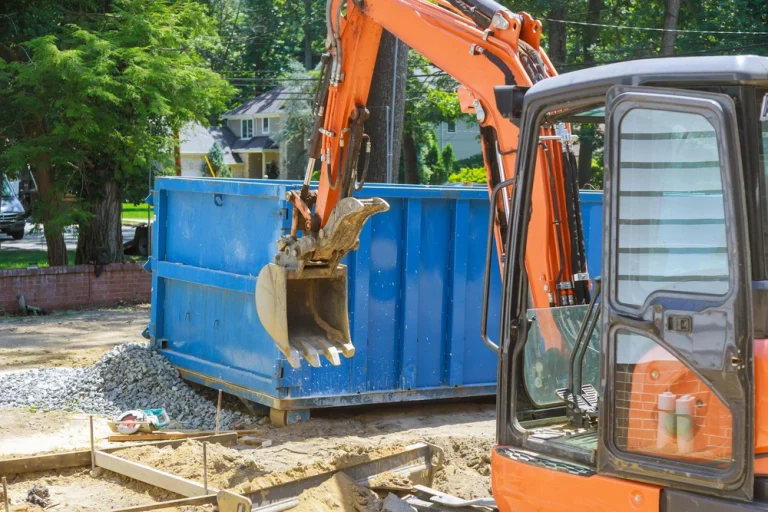
- Secure necessary supplies and consider roll-off dumpster rental.
- Promote extensively to raise awareness and support.

Planning a Successful Community Clean-Up
Effective planning is essential for a successful community clean-up. This involves setting objectives, creating a detailed plan, scheduling the event, and securing necessary permits.Establishing Clear Objectives
First, outline the objectives of your community clean-up project. Determine what areas need the most attention, such as parks, streets, or vacant lots. Set specific goals, like collecting a certain amount of litter or beautifying a particular public space. Clear objectives help you stay focused and measure the project’s success. Engage community members in this initial phase to ensure everyone is on the same page. This builds enthusiasm and ensures the project addresses real community needs.Creating a Detailed Plan
Once you have your objectives, move on to creating a detailed plan. Assign roles and responsibilities to different team members or volunteers. A project coordinator should oversee the entire operation to ensure smooth execution. Include a list of necessary supplies such as trash bags, gloves, and recycling bins. Develop a schedule that outlines each task, ensuring no important step is overlooked. Use a table to list tasks along with who is responsible and the deadlines to keep everyone organized.Setting the Date and Time
Selecting the right date and time is crucial for maximizing participation. Avoid scheduling on holidays or during extreme weather conditions. Weekends are often the best choice to accommodate those who work during the week. Publicize the event early to give volunteers ample notice. Utilize social media, community bulletin boards, and local newspapers to spread the word. Clear communication ensures a good turnout and prepares participants for what to expect.Securing Necessary Permits
Check with your local government or municipal office to determine if any permits are required for the clean-up. Permits might be needed for gathering in public spaces or for special arrangements like waste disposal. Submit permit applications well in advance as approval can take time. Include all necessary details such as location, date, and time to avoid delays. Having the correct permits ensures that your event is legally compliant, providing a hassle-free experience for everyone involved.Recruitment and Organization
Engage your community and efficiently organize your teams to ensure a successful cleanup project. Use targeted strategies to keep volunteers motivated and ensure effective communication.Volunteer Engagement
Engaging volunteers is crucial to your project’s success. Start by creating an online presence through platforms like Facebook and Nextdoor. Post updates and share engaging content related to the project. Use flyers and posters in local community centers and businesses. Host small pre-event gatherings to build excitement. Ensure clear communication about the event’s goals, tasks, and benefits. Regular updates and volunteer spotlights can help maintain enthusiasm and attract more participants.Team Formation
Forming effective teams is essential. Break down tasks into specific areas such as trash collection, beautification, and recycling. Assign team leaders to manage smaller groups, ensuring each person understands their role. Use a sign-up sheet or an online tool to organize volunteers into teams based on their interests and skills. Create a schedule for the day, detailing the timelines and responsibilities of each team. This helps in coordinating activities smoothly and ensures all areas are covered efficiently.Contact Information Exchange
Efficient communication relies on gathering and managing contact information. Collect email addresses, phone numbers, and preferred communication methods when volunteers sign up. It’s beneficial to create an online form for this purpose. Share essential information ahead of time, such as meeting points, timelines, and safety guidelines. Use tools like email lists and group messaging apps to send updates and reminders. Consider creating a Facebook event for easy communication and updates. This allows volunteers to stay informed and connected, ensuring everyone is on the same page.Gathering Supplies and Materials
 When planning a community clean-up project, you need to ensure you have the necessary equipment and materials to make the event successful and safe. This includes essential tools for litter collection and adequate safety measures to protect everyone participating.
Crucial Cleanup Equipment
For any community clean-up, essential supplies include gloves, trash bags, and trash grabbers. Shovels and wheelbarrows are useful for removing larger debris. Ensure you have sturdy, reusable bags to reduce waste. Items like rakes help gather leaves and smaller litter. Consider providing extra bags of various sizes. Disposable masks should also be available for dust and allergens. Make sure participants bring their own reusable water bottles, but have a few disposable bottles as backups.Safety and First Aid
Safety is paramount during a community clean-up. Start with a safety briefing to discuss important precautions. Provide participants with hand sanitizer to maintain hygiene. First aid kits should be available to address any minor injuries immediately. Instruct volunteers to wear gloves and consider safety vests for visibility. Ensure participants work in pairs or groups for added security. Have bug spray and sunscreen on hand to protect against insect bites and sunburn. Establish a designated area for rest and hydration to prevent exhaustion.Promotion and Awareness
To maximize the success of your community cleanup project, prioritize effective promotion and heightened awareness. Utilize both online platforms and traditional media to engage the community and build momentum.Leveraging Social Media
Social media platforms are powerful tools for promoting your cleanup campaign. Create engaging content such as photos, videos, and infographics that illustrate the importance and impact of the event. Use platforms like Facebook, Instagram, and Twitter to reach a broad audience. Develop event pages and invite people to join. Highlight stories of dedicated volunteers and share environmental facts to generate interest. Partner with local organizations and businesses to broaden your reach. They can help promote the event by sharing your posts or creating their own content related to the cleanup. Consider starting a hashtag for your campaign. This helps in tracking the event’s reach and engagement on social media. Use tools like scheduled posts to keep your audience updated and excited as the event approaches.Flyers and Local Advertising
Traditional methods like flyers and local advertisements are essential for reaching members of the community who may not be active on social media. Design eye-catching flyers with clear details about the cleanup event, including the date, time, and location. Place these flyers in high-traffic areas such as community centers, cafes, and libraries. Engage local businesses to display your flyers in their establishments. This partnership not only amplifies your message but also demonstrates community support. Additionally, consider advertising in local newspapers or community bulletins. This can help to inform a more diverse audience about your project. Engage with local radio stations to mention your event during popular listening times.Executing The Cleanup
 Proper execution of your community cleanup ensures that everything goes smoothly. Effective strategies for litter collection, waste sorting, and monitoring safety are essential components.
Litter Collection Strategy
Organize volunteers into small groups to cover designated areas. Provide each group with garbage bags, gloves, and trash grabbers to ensure efficient collection. Focus on high-traffic areas first, such as parks, sidewalks, and community centers. Encourage volunteers to separate recyclables like plastic bottles and cardboard from general waste. Establish a plan for bulky items and large debris. Coordinate with the public works department for special pickups or rent a dumpster for the day. Having a rain date in case of inclement weather can also ensure your event remains on schedule.Waste Sorting and Disposal
Set up central sorting stations to streamline the process. Volunteers should bring collected trash to these designated spots where waste is separated into recyclables, hazardous waste, and general trash. Clearly label bins and provide guidelines to avoid contamination of recyclables. Coordinate with local recycling centers and waste disposal services beforehand to handle the sorted materials. Consider donation options for reusable items like clothing or furniture. Ensure all waste disposal methods comply with local regulations to avoid fines or complications.Monitoring and Safety Measures
Prioritize safety by supplying volunteers with proper safety equipment such as gloves, high-visibility vests, and sturdy footwear. Assign a team leader to monitor each group and check in regularly to address any issues that arise. Implement lighting solutions if the event extends into the evening. Brief all participants on the importance of avoiding hazardous waste like broken glass or sharp objects. Have a first aid kit and contact information for local emergency services available. Create a system for reporting and addressing safety incidents. Maintaining clear communication and oversight is crucial for a successful community cleanup.Community Involvement and Support
Successful community clean-up projects often rely on the full involvement and support of the community. This can be achieved through building local partnerships and securing sponsorships and donations.Local Partnerships
Forming partnerships with local organizations, businesses, and neighborhood groups can significantly improve the success of your project. By collaborating with these entities, you can access resources such as manpower, tools, and expertise that can help facilitate the project. Local authorities and non-profit organizations are also valuable partners. They can provide essential support like permits for large gatherings and lend their experience in organizing community events. Civic engagement opportunities can promote a sense of community ownership and responsibility. For example, a local hardware store might supply cleaning equipment, while a neighborhood association could help recruit volunteers. Establish a clear and open line of communication with your partners to coordinate efforts effectively.Sponsorships and Donations
Sponsorships and donations play a vital role in funding your community clean-up project. Reach out to local businesses for financial support or in-kind donations such as a roll-off dumpster to handle waste disposal. Encourage businesses to sponsor specific aspects of the project, like providing refreshments for volunteers or covering costs for a dumpster donation. You can also seek donations from community members through crowdfunding platforms or community centers. Create a detailed list of needed items and monetary goals, then share it widely to ensure maximum reach. By establishing a transparent and organized donation system, you build trust and encourage continued support from your donors.Additional Project Ideas
 Exploring further ways to contribute to your community can be incredibly rewarding. Below are several innovative project ideas that can have a lasting impact on your environment and community connections.