1) Implement Lean Construction Practices
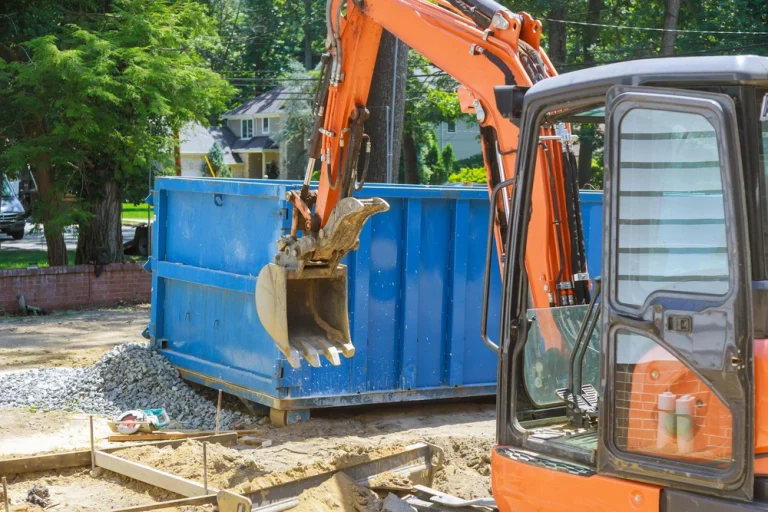
 Adopting lean construction practices can increase efficiency on your construction site. By focusing on principles such as value generation, flow efficiency, and waste reduction, you can create a more streamlined and productive environment.One key strategy is utilizing construction dumpster rentals to manage waste effectively. This helps keep the site organized, reduces time spent on clearing debris, and allows workers to focus on critical tasks.Engaging in continuous improvement and fostering collaboration through an Integrated Project Delivery system can also align project goals. This encourages the entire team, from owners to contractors, to work toward shared objectives, which can enhance outcomes and reduce project timelines.
2) Use Construction Dumpster Rentals
Integrating construction dumpster rentals into your workflow can significantly enhance the efficiency of your job site. By providing a designated area for waste disposal, dumpsters help maintain a clean and organized environment. This reduces the risk of accidents caused by scattered debris and ensures that all materials are properly disposed of or recycled.Choosing the right dumpster size is crucial for optimal efficiency. A variety of sizes and rental periods are available, catering to projects of all scales. This flexibility allows you to manage waste effectively without delays or interruptions.In addition to keeping the site clean, renting a dumpster can streamline operations. With an efficient disposal solution in place, your team can focus on core tasks rather than waste management. This not only saves time but also improves safety and overall productivity.3) Use Building Information Modeling (BIM)
 Employing Building Information Modeling (BIM) can significantly boost your construction site’s efficiency. BIM provides a digital representation of a building’s physical and functional characteristics, enabling teams to make informed decisions during design and construction.By using BIM, you can optimize material usage, which helps reduce waste and promotes sustainability in your projects. This technology also provides a comprehensive view of potential clashes, allowing you to address issues before they escalate.BIM enhances collaboration among stakeholders by offering a shared platform for accessing project data. This collaborative environment improves communication, reduces errors, and supports better project coordination. BIM also contributes to improved site safety by identifying and mitigating potential risks.Integrating BIM into your construction processes facilitates efficient scheduling and planning, allowing for better allocation of resources and timely project completion. Utilizing construction dumpsters can further streamline operations by managing waste efficiently.
4) Adopt Prefabrication Techniques
Adopting prefabrication techniques can significantly enhance construction site efficiency by producing components in a controlled factory environment. This method minimizes on-site construction time and reduces waste, leading to cost savings and improved quality.Prefabrication also contributes to better project scheduling and the ability to meet tight deadlines. By receiving pre-assembled parts, you minimize the risk of delays caused by adverse weather conditions and unforeseen site challenges.Moreover, transportation of prefabricated elements to the site can be more predictable and streamlined. This can further optimize logistics and reduce the carbon footprint associated with material delivery. Employing these techniques can ultimately lead to a more sustainable and efficient construction process.5) Enhance Communication with Digital Tools
 Implementing digital tools can significantly improve communication on construction sites. These tools facilitate real-time sharing of information, ensuring that all team members are on the same page. You can use apps to track project progress, share updates, and communicate issues quickly.By scheduling and tracking these resources digitally, you reduce delays and enhance site organization. This approach not only boosts productivity but also promotes efficient resource management.Digital platforms can also help streamline reporting and documentation. Sharing blueprints or work plans digitally reduces the risk of miscommunication and ensures that everyone has access to the latest documents. Emphasizing digital communication tools is a proactive step toward minimizing errors and enhancing overall project success.
6) Optimize Inventory Management
Optimizing inventory management on construction sites significantly enhances efficiency and reduces costs. By implementing regular inventory audits, you can maintain accuracy and quickly identify discrepancies. Regular audits ensure that resources are used effectively and contribute to successful project outcomes.Utilizing Just-in-Time (JIT) inventory practices allows you to order materials based on current project needs. This approach minimizes storage costs and reduces the time resources remain idle on-site.7) Conduct Regular Site Inspections
Regular site inspections are essential for maintaining construction site efficiency. They help identify potential hazards early, ensuring that safety regulations are met. By conducting frequent checks, you can address problems before they escalate into costly delays or accidents.You should implement a schedule for inspections that aligns with your project’s timeline. This approach ensures that inspections occur systematically and thoroughly. Consider using a checklist to guarantee all aspects are evaluated consistently.Involving your team in the inspection process can foster a culture of accountability. When team members know what inspectors will look for, they can self-audit and maintain high standards daily. Regular dialogue about inspection findings can lead to continuous improvements.8) Utilize Drones for Site Surveys
 Incorporating drones into construction site surveys can significantly boost efficiency. These devices provide accurate topographic mapping and land surveys, enhancing the accuracy of site data. By offering a bird’s-eye view, drones eliminate the need for traditional, labor-intensive survey methods.Using drones can speed up the acquisition of site information. They can cover large areas quickly, providing real-time data useful for planning and design. This helps in making timely decisions, reducing delays caused by unexpected site conditions.Drones also contribute by ensuring safety. They can access hard-to-reach areas, reducing the need for workers to enter potentially hazardous zones. This can lead to fewer accidents and a safer work environment, which is crucial for maintaining project schedules and budgets.Utilizing drones for site surveys is just one way to streamline operations.
9) Train Workforce in Time Management
Effective time management is essential on construction sites to keep projects on track. Training your workforce in time management can enhance their ability to plan, organize, and execute tasks efficiently. This training helps workers focus on priority jobs and avoid time-wasting activities, leading to improved productivity.By prioritizing tasks and reducing downtime, construction workers can complete tasks more quickly, which can also lead to a reduction in labor costs. Using tools like to-do lists and schedules can further augment their skills.Investing in time management training enables workers to manage their schedules effectively while maintaining high safety standards.10) Streamline Permit and Compliance Processes
Efficient permit and compliance processes are crucial in construction projects. Delays in securing necessary permits can significantly impact timelines and costs. Using digital tools can expedite the process by enabling online submissions and easy tracking of permit statuses.Construction dumpster rentals help streamline compliance by ensuring proper waste management on-site. These rentals help maintain a clean and organized site, meeting environmental regulations efficiently. They also improve safety by reducing debris and trip hazards.Clear communication with all stakeholders involved in the permit process is essential. Regularly updating everyone on the status of permits and any compliance issues can prevent misunderstandings and keep the project on schedule. Consider implementing a dedicated team or individual responsible for overseeing these processes to ensure they are handled promptly and efficiently.Effective Project Management
 Effective project management plays a crucial role in boosting construction site efficiency. By streamlining communication among team members and employing advanced project management software, you can significantly enhance the workflow, ensuring timely decisions and efficient resource utilization.
Streamlining Communication
Clear and open communication channels are vital in construction project management. Implementing structured meetings and using digital communication platforms can reduce misunderstandings and ensure that everyone is aligned with project goals. Consider using instant messaging apps designed for team collaboration to facilitate quick updates.Using construction dumpsters can help manage site clutter effectively, facilitating smoother movement and clearer visibility, which enhances communication among workers. Proper labeling and signage also play critical roles, serving as non-verbal cues that maintain order and focus on the site.Utilizing Project Management Software
Incorporating project management software is essential for organizing tasks, schedules, and resources efficiently. Software tools can automate routine tasks, track progress in real-time, and provide analytics for better decision-making. These platforms often have features like Gantt charts and task reminders to keep the project on schedule.Look for software that offers mobile access, allowing on-site personnel to input data and receive updates directly from the field. This ensures immediate visibility into project status and potential issues. Integrating technology like Building Information Modeling (BIM) can also provide comprehensive insights and enhance coordination among different stakeholders.Training and Workforce Development
Fostering a skilled and knowledgeable workforce involves regular training programs and the implementation of strict safety protocols. By continuously enhancing skill sets and ensuring safety measures, you can significantly boost site productivity and reduce costly interruptions.Regular Skill Enhancement Programs
Investing in continuous training for your construction team is pivotal. Keeping your team updated with the latest construction techniques and technologies helps mitigate errors and enhance efficiency. Consider organizing workshops and seminars that focus on new tools and methodologies.Online courses and webinars are also helpful, providing flexible learning opportunities. Encouraging certification courses can motivate your team and validate their expertise. Performance feedback sessions are another effective way to align the workforce with the project goals and improve individual contributions.Implementing Safety Protocols
Safety should be a priority to ensure an efficient construction site. Developing comprehensive safety guidelines and conducting regular safety drills can prevent accidents and reduce downtime. Providing personal protective equipment (PPE) and ensuring their proper use is crucial.Regular safety inspections help identify and rectify potential hazards. Implementing technologies like wearable safety devices can monitor real-time risks and provide alerts. Training your team to respond effectively to emergencies not only safeguards lives but also minimizes project delays, thus promoting overall efficiency.Technology and Equipment Utilization
 Enhancing construction site efficiency heavily relies on adopting the right technologies and modern equipment. From automation tools that streamline processes to advanced machinery that boosts productivity, utilizing technology effectively can transform how construction tasks are managed and executed.