Key Takeaways
- Efficient debris removal contributes greatly to environmental cleanliness and safety.
- Roll off dumpster rentals offer a practical solution for both residential and commercial waste management needs.
- Choosing a reputable debris removal service ensures responsible disposal and potential recycling of materials.

Debris Removal Essentials
When embarking on debris removal, understanding the types of debris, adhering to regulations and safety, and implementing eco-friendly practices are crucial for an efficient and responsible cleanup process.Types of Debris
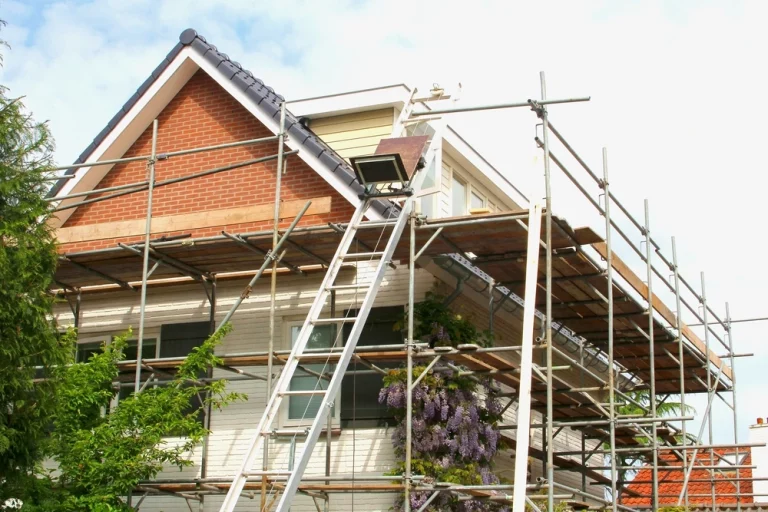
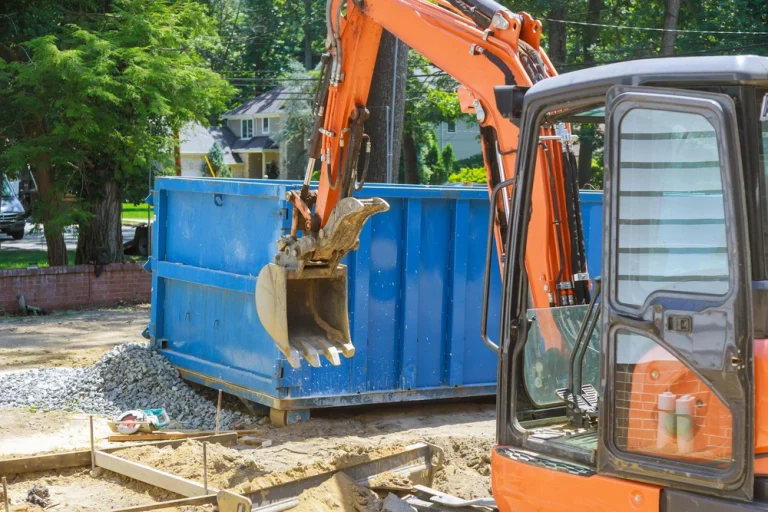
Construction debris, ranging from concrete and bricks to lumber and metal, is commonly generated during building or renovation projects. Proper construction waste disposal is vital to manage this mix of materials, which may also include hazardous material potentially harmful to health and the environment.- Common construction debris:
- Concrete
- Bricks
- Lumber
- Metal
- Tiles
- Drywall
Regulations and Safety
Safety is a top priority. Hazardous waste requires careful handling; you must ensure that you or the debris removal service you hire is licensed and insured to handle such materials. Always follow local and federal regulations to protect yourself and the community.- Key Safety Practices:
- Use proper protective gear.
- Verify that the debris removal service is licensed and insured.
- Consult local guidelines for hazardous material disposal.
Eco-Friendly Practices
Eco-friendly disposal methods, such as recycling and donating reusable materials, are essential. Not only do they reduce the environmental impact, but they can also be economically beneficial.- Eco-friendly Disposal Options:
- Recycling (metals, glass, paper, etc.)
- Donating reusable materials (fixtures, fittings, etc.)
- Responsible disposal of non-recyclable waste
Removal and Disposal Services
 When it comes to clearing out your space, professional removal and disposal services offer tailored solutions for both residential and commercial needs, handling everything from household garbage to specific types of e-waste.
Residential Services
Your home can accumulate various types of waste that require specialized disposal, such as old furniture, non-working appliances, and electronic waste. Companies like Waste Removal USA offers dumpster rentals that work great for residential trash removal, with many different dumpster sizes to choose from. They ease your burden by hauling away large items and saving you valuable time.- Furniture Removal: From sofas to tables, home furniture removal is simplified.
- Appliance Removal: Safe pickup and disposal of your outdated or broken appliances.
- E-Waste Disposal: Ethical recycling or disposal of electronics, including computer and phone recycling.
- Mattress Disposal: Ensure your old mattresses are disposed of in an environmentally-friendly way.
Commercial Services
Businesses have a unique set of waste removal needs, often requiring regular service for large volumes of waste. Commercial dumpster rentals work great for office cleanouts, property management cleanups, and construction debris removal. Scheduled pickups can align with your business operations for minimal disruption.- Regular Trash Removal: Consistent and reliable service for everyday waste.
- Bulk Item Removal: Safe disposal of bulky items like office furniture and equipment.
- Construction Debris Removal: Efficient clearing of construction and renovation waste.
Specialty Item Removal
Certain items in your home or business demand specialized disposal methods due to environmental regulations or sheer size and complexity. Professional services cater to these needs, offering stress-free removal of items that can’t be tossed out with the weekly garbage pickup.- Television and Refrigerator Disposal: Specialized care is taken to remove and recycle electronics and appliances containing hazardous materials.
- Hot Tub Removal: Complete extraction and hauling away of old hot tubs.
- Yard Waste Removal: Timely pickup of branches, clippings, and other organic waste from your landscape projects.
Service Process and Pricing
In the realm of debris removal, understanding the service process and pricing structure is crucial. You’ll encounter various components such as the assessment of debris volume, the quote you’ll be given, and the interaction with customer service.Assessment and Volume
When you request debris removal, the first step is assessing the volume of material. This initial review determines the scope of your project, whether it’s a small residential cleanup or a larger foreclosure cleanout. Companies typically measure debris in cubic yards, so understanding how much you have can help you anticipate the cost.Upfront Pricing
Upfront pricing is a key part of the debris removal process. Companies may provide you with a quote based on the volume assessment. This quote is generally considered final and includes all the aspects of the job—labor, transportation, and disposal fees. Reputable companies stand by their claims, providing you with a transparent cost before the work begins.Customer Service
Customer service excellence can define your experience with a debris removal company. Your interactions should be straightforward, from obtaining the first quote to addressing any concerns during the job. Good customer service representatives are equipped to handle your queries with knowledgeable expertise, ensuring that your needs are met throughout the process.Remember, whether you’re clearing out construction debris or handling a property cleanout, a smooth service process and clear pricing will set the foundation for a successful removal experience.Recycling and Recovery
 In the aftermath of a disaster, managing the varied range of debris is crucial. You have to understand that recycling and recovery are key elements of debris management, since they can significantly reduce the amount of waste that ends up in landfills.
Materials Recovery
Materials recovery involves sorting and collecting post-disaster debris to salvage materials that can be reused or recycled. When dealing with construction material, it’s important to separate the recyclable components, such as metals and clean lumber, from non-recyclable debris. Concrete can often be crushed and repurposed for new construction projects, known as concrete recycling.- Metals: Aluminum, steel, and copper can be sorted and sent to smelters.
- Clean lumber: May be reused in construction or chipped for mulch.
- Concrete: Can be crushed and used for new roadbeds or construction filler.
Recycling Centers
Recycling centers are facilities that process recyclable materials and prepare them for reuse. When you take your recyclable debris to these centers, you contribute to the reduction of waste, conservation of resources, and the minimization of environmental impacts associated with manufacturing processes.- Electronics: Properly recycle your electronics at e-waste centers to prevent toxic substance release.
- Appliances: Appliances, especially those that contain refrigerants, should be taken to facilities equipped to safely extract and recycle or dispose of these materials.
Managing Debris Post-Disaster
In the aftermath of a disaster, promptly managing debris is critical to recovery. Debris can range from fallen trees to construction waste, and how you handle this can affect public safety and recovery timelines.Disaster Recovery
Debris Types and Priorities: When you’re dealing with post-disaster debris, categorize the materials. Primarily, you’ll see branches, trees, and construction waste. Prioritize clearing utilities to restore essential services. Key steps in your debris recovery process should include:- Assessing: Quickly survey the debris to ascertain the type and volume.
- Segregating: Separate debris into recyclables, hazardous materials, and waste.
- Clearing Roads: Ensure access for emergency and recovery vehicles.
Federal Assistance
FEMA’s Role: The Federal Emergency Management Agency (FEMA) may provide aid to help remove debris. To ensure eligibility for this aid, the debris must be a result of a declared disaster and pose an immediate threat. Learn about the types of assistance at Managing Debris After a Natural Disaster | US EPA.Securing Assistance: To take advantage of federal assistance, follow these steps:- Register: Contact FEMA to report debris and request assistance.
- Documentation: Keep thorough records of debris and the impact on your property.
- Compliance: Adhere to FEMA’s guidelines to ensure the removal process is compliant and funding is secured.