Key Takeaways
- Choosing the right dumpster size and type is critical for the success of demolition projects.
- Be mindful of rental periods and debris types when selecting construction dumpster rental services.
- Accurate budgeting for dumpster rentals includes considering possible supplementary costs and services.

Understanding Dumpster Sizes and Types
Choosing the right dumpster size is critical to efficiently managing the waste from your demolition projects. Different sizes are available to match the scale and type of debris, ensuring that you have enough space for waste without overpaying for excess capacity.Small to Medium Projects: 10 to 20 Yard Dumpsters
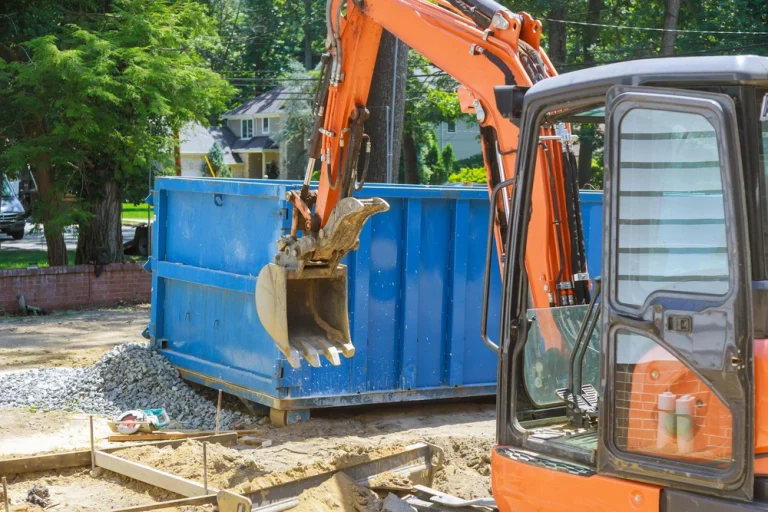
10 yard dumpsters are the smallest size typically offered by waste management services. These are most suitable if you’re undertaking a small project, like a bathroom remodel or a garage cleanout. A 10 yard dumpster typically measures 12 feet in length, 8 feet in width, and 3.5 feet in height. They can hold up to 10 cubic yards of waste, equivalent to roughly 3 pickup truck loads.Moving up in size, 20 yard dumpsters are versatile and can handle a wider range of projects, including larger home cleanouts or smaller renovation tasks. These dumpsters are often 22 feet long, 8 feet wide, and 4.5 feet high, providing capacity for about 20 cubic yards of debris — nearly double the volume of the 10 yard models.Large Scale Demolitions: 30 to 40 Yard Dumpsters
When your project is much larger, such as a full home demolition or a major construction job, you’ll require something much more substantial. 30 yard dumpsters are suitable for these significant undertakings, with a typical size of around 22 feet long, 8 feet wide, and 6 feet high. They can accommodate construction materials, household debris, and large amounts of waste.In cases of extensive demolitions or very large commercial projects, 40 yard dumpsters are the largest roll off dumpsters commonly available. Their dimensions can be as large as 22 feet by 8 feet by 8 feet, making them capable of holding up to 40 cubic yards of material — ideal for situations where waste volume is the highest.Special Uses: Concrete and Asphalt Dumpsters
For projects that involve heavy materials like concrete or asphalt, specialized concrete dumpsters are designed to handle the extra weight. These dumpsters have reinforced structure to support the heavy load of concrete slabs, blocks, and asphalt from your construction or demolition work. It’s important to conform to weight limits as exceeding them can incur additional fees.When disposing of these materials, you need to ensure that the dumpster used is specifically designated for “clean” loads, meaning only one type of material is inside. This allows for the possibility of recycling the concrete or asphalt, contributing to a more sustainable construction practice.Rental Details and Considerations
When securing a dumpster for a demolition job, attend to the specifics of the rental agreement to avoid any unforeseen complications. Keeping track of the rental duration, understanding weight limitations, and having robust hauler support can streamline your project management.Rental Period and Extensions
Your dumpster rental comes with a pre-agreed rental period, typically ranging from a few days to a week. Should your project extend beyond this time frame, you can usually arrange for extensions. However, be aware that this may incur additional fees, which are often determined on a daily rate basis.Weight Limitations and Overages
Each dumpster has a specific weight allowance. Exceeding this limit will result in overage charges, which are calculated per ton. It’s crucial to estimate the waste volume accurately and choose a dumpster size that aligns with your project’s needs to avoid these extra costs.Hauler Services and Support
Choosing a hauler that offers excellent customer service and can provide an instant quote with upfront rates. A reliable hauler will ensure haul away services are punctual, keeping your job site clear and reducing downtime. Good communication with your provider will help mitigate any potential issues swiftly and efficiently.Types of Debris and Waste Allowed
 When renting a local dumpster for your demolition projects, it’s crucial to know which materials are acceptable and which are not. This will ensure you comply with regulations and avoid potential fines.
Allowed Materials: From Roofing to Drywall
Your dumpster can be filled with various non-hazardous materials commonly found on demolition sites:- Concrete: Small to medium chunks that are free of rebar and other contaminants.
- Asphalt: Pieces of old pavement or roofing tiles.
- Shingles: Commonly used roofing shingles, including asphalt and wood.
- Heavy Debris: This includes bricks, blocks, and similar materials that do not contain hazardous substances.
- Wood: Unpainted, unstained lumber, free from rot and infestation.
- Drywall: Pieces of wallboard, provided it’s not asbestos-contaminated.
- Construction Debris: Mixed waste like metals, plastics, and non-hazardous packaging material.
- Dirt: Clean fill dirt, free from pollutants and debris.
- Roofing Materials: Non-asbestos roofing sheets, tiles, and associated non-hazardous materials.
- Flooring: Tiles, hardwoods, laminate, and similar non-hazardous flooring debris.
- Siding: Non-insulated vinyl or metal siding.
- Plaster: Pieces of discarded plaster, as long as it’s not part of a historic building which may contain asbestos.
- Landscaping Waste: Branches, leaves, and clean wood that hasn’t been treated with chemicals.
Prohibited Items and Hazardous Materials
For the safety of the environment and compliance with legal guidelines, certain materials must not be disposed of in your dumpster:- Hazardous Materials: Chemicals, paints, solvents, and materials containing asbestos are forbidden.
- Liquid Waste: Includes oils, lubricants, pesticides, and any other form of liquid waste.
- Medical Waste: Materials like syringes, medications, and any bio-hazardous substances should never go into a rental dumpster.
- Electrical Equipment: This can range from small items like light bulbs to larger ones like refrigerators and air conditioners.
- Batteries: Due to chemicals and metals, batteries require special disposal methods.
- Tires: Rubber tires have a separate recycling process and should not be mixed with demolition waste.
Costs and Budgeting for Dumpster Rental
When planning a demolition project, understanding the costs of dumpster rental is crucial. The price you will pay depends on several factors including the size of the dumpster, the rental period, your location, and the type of debris you will be discarding.Typically, our dumpsters come in various sizes, measured in cubic yards, which cater to different scales of construction and demolition work:- 10-yard dumpster: Ideal for small jobs or tight spaces.
- 20-yard dumpster: Suitable for medium-sized projects.
- 30-yard dumpster: Best for larger projects with more waste.
- 40-yard dumpster: The choice for extensive demolition projects.
| Dumpster Size | Average Cost Range |
|---|---|
| 10-yard | $200-$400 |
| 20-yard | $350-$550 |
| 30-yard | $450-$650 |
| 40-yard | $550-$750 |
Supplementary Services and Logistics
 Efficiently managing waste and supplementary services is critical for demolition contractors to keep projects on track. Precise logistics support ensures that your job site operates smoothly without unnecessary delays.
Scheduling Delivery and Pickups
Timely delivery and pickup of construction dumpsters are central to maintaining the flow of work on a demolition site. When you schedule a construction dumpster rental, an account manager usually coordinates with you to establish a delivery window that aligns with your project timeline. Remember, dumpsters come in various sizes, typically measured in cubic yards, suitable for everything from small renovations to large-scale roofing projects.- Typical dumpster sizes:
- 10 cubic yards: ideal for smaller cleanouts
- 20 cubic yards: good for medium projects
- 30-40 cubic yards: best for large construction debris
Empty-and-Return Services
During extensive demolition projects, you might fill up your dumpster more quickly than anticipated. Empty-and-return service allows for the container to be emptied at the landfill and returned to the site, maintaining productivity. It’s a straightforward process:- Contact your provider when the dumpster is full.
- They will schedule an exchange.
- The full dumpster is hauled away, emptied, and the empty container is brought back.
Additional Solutions for Contractors
Demolition contractors often require more than just dumpsters. To meet health and safety standards, portable toilets and portable sanitation services are just as crucial for maintaining a functional site. Many providers who offer dumpster rentals also manage these supplementary services.- Portable sanitation services might include:
- Regularly serviced portable toilets
- Handwashing stations
- Sanitation supplies