Key Takeaways
- Renting a dumpster is a straightforward way to handle dirt removal yourself.
- Dirt removal services can be personalized based on project requirements.
- Cost and logistics are vital factors in planning your dirt disposal.

Understanding Dirt Removal
Managing unwanted dirt is essential for maintaining an organized space. Distinguishing between different types of dirt and removal methods helps in efficiently managing the materials and costs involved.Types of Dirt and Fill Materials
Dirt materials vary, and identifying them is crucial for effective removal. Topsoil, often removed during construction, can be reused in landscaping projects. Clean fill consists of dirt free from contaminants and is typically a mix of sand, clay, gravel, or rock. This is often used in filling projects where structural integrity is important.Understanding whether you have debris-laden dirt or clean fill affects removal options and costs. Proper assessment ensures you handle the dirt according to local regulations and potential reuse, reducing disposal costs.Dirt Removal vs. Junk Removal
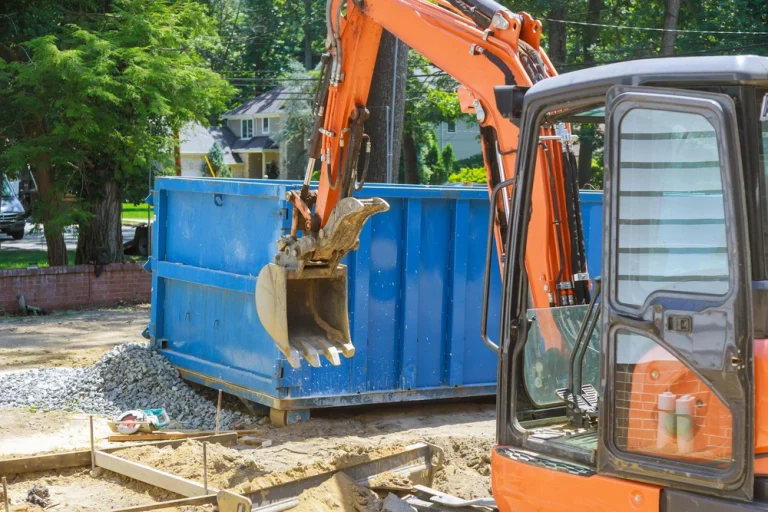
Dirt removal differs significantly from junk removal. With dirt removal, the process often involves specific knowledge of soil types and potential reuse. Companies specializing in dirt can assess your space, often charging by volume or truckload.Junk removal focuses on a broader range of materials, including household waste and debris. If you’re handling dirt removal yourself, renting a yard waste dumpster can be practical. This allows you to manage dirt at your own pace, coordinating disposal with local facilities. For large projects, involving professionals can ensure compliance with environmental regulations and efficient handling of the materials.Planning Your Dirt Removal Project
Effective planning for dirt removal involves understanding your project’s scope and selecting a service that aligns with your needs. Consider location and service providers’ capabilities to ensure a smooth, efficient process.Assessing the Scope and Location
Start by determining how much dirt you need to remove. Measure the area and calculate the volume of dirt involved. This helps in choosing the right service and equipment.Consider the location of your project. Accessibility might impact which service you choose. For instance, urban areas may require services that are adept at navigating tight spaces.Evaluate the type of soil and its condition. Sandy soil might require different handling than clay. Understanding this helps in communicating your needs to potential contractors or in selecting yard waste dumpster rentals for a DIY approach.Choosing the Right Dirt Hauling Service
Selecting a dirt hauling service requires examining their experience with projects similar to yours. Homeowners should look for contractors with a strong track record.Ensure the service you choose has the necessary permits and insurance. This safeguards against potential liabilities and ensures compliance with local regulations.Engage with services that offer free estimates to compare costs effectively. Services such as DirtMatch connect homeowners and landscapers, ensuring you find a match that fits your project’s needs.Costs and Considerations
 When planning for dirt removal, understanding potential costs and considerations is crucial. Key factors include the volume of dirt, transportation methods, and any applicable disposal fees.
Estimating Dirt Removal Cost
Dirt removal costs vary based on the amount of soil to be moved and the specific services required. Excavation and dirt removal charges range from $2.50 to $15.00 per cubic yard. If planning to handle the task personally, consider renting a 10-yard dumpster, which can help manage soil disposal efficiently. Renting a dumpster provides flexibility, allowing you to calculate the volume of dirt you need to remove without relying solely on external services.Disposal Fees and Weight Limits
Disposal fees are a significant component of dirt removal expenses. Typically, dumping dirt at a landfill costs between $30 to $50 per ton. Junk removal companies may charge $140 to $180 per ton based on volume. Be aware of weight limits with waste disposal services; exceeding these limits may result in additional charges. Utilizing a 10-yard dumpster provides a convenient solution by allowing you to manage the volume and weight of your soil, ensuring efficient disposal.Executing Dirt Disposal
Effectively disposing of dirt involves choosing the appropriate method based on your project’s scope and requirements. Whether you opt for DIY solutions or professional services, understanding the available options ensures efficient dirt removal and proper disposal.Options for Soil Disposal
When tackling dirt disposal, various options are available depending on your specific needs. Renting a yard waste dumpster provides a convenient DIY method, particularly for large quantities of dirt. This allows you to manage the disposal process at your own pace without having to transport the dirt to a landfill yourself.Alternatively, consider hiring a professional dirt removal service. These services handle the heavy lifting and ensure compliance with local disposal regulations. Another option is to contact a construction and demolition recycling center which may accept dirt from your project. Sometimes, selling or giving away soil online can also be feasible, particularly if someone nearby is searching for fill dirt.How to Dispose of Dirt Properly
Proper dirt disposal requires careful consideration to comply with local regulations and environmental standards. Ensure you use a reliable disposal method to avoid fines and penalties. If renting a dumpster, you might need a permit, depending on your location, to place it on public property.Professional services typically understand these regulations and provide disposal in line with them. For those disposing of dirt independently, local recycling centers may specify the types of dirt they’ll accept, often based on contamination levels. Offering your excess soil online is a sustainable choice; many DIYers and landscapers find dirt giveaways useful for their projects. By following these guidelines, you can ensure a smooth and compliant dirt removal process.Post-Removal Landscaping
 Once dirt removal is complete, enhancing your outdoor space requires precise planning. It’s important to consider hiring professional landscaping services to effectively utilize the newly cleared area. You can also take the DIY route by renting a yard waste dumpster to manage the cleanup and transformation process independently.