Key Takeaways
- Planning and customizing your fireplace mantel enhances your living space.
- Proper sizing and material selection are foundational to mantel building success.
- Safe installation practices and optimized workspace management are essential.

Determining the Size and Style
When embarking on a DIY fireplace mantel project, it’s essential to get the dimensions right for both safety and aesthetic purposes. You’ll also want to choose a design that complements your home’s existing decor.Measuring Your Space
Width: For the mantel width, your mantel should generally be at least 12 inches wider than the fireplace box, which allows for 6 inches of clearance on each side.Height: Typical fireplace mantel heights range from 48-60 inches above the hearth, with building codes sometimes stipulating the minimum based on safety clearances.- To calculate, divide the mantel shelf width by 2.
- Ensure this measurement is less than the distance from the centerpiece of the fireplace to any adjacent wall, window, or obstruction.
Choosing a Design Aesthetic
When selecting the style of your mantel, consider the overall theme of your room. Whether you prefer a traditional, modern, or rustic look, your mantel should feel like a natural extension of your home’s architecture and interior design.- Traditional mantels often feature rich wood tones and classic lines.
- Modern designs tend to be minimalist with clean, straight edges, sometimes using unconventional materials.
- Rustic styles can include rugged wood or even reclaimed wood for a natural, earthy vibe.
Materials and Tools Required
To build a mantel that complements your home décor and lasts for years, you’ll need to choose the right materials and tools. Here’s what you need to get started.Selecting Wood and Finishes
Selecting high-quality wood and the appropriate finish for your mantel is crucial. Consider using hardwood lumber like oak or maple for a sturdy construction. For a paintable mantel, poplar can be a good choice. You’ll also need wood glue for joining and finish or paint to complete your mantel’s look.Materials:- Hardwood lumber (1x10x8′)
- Veneer plywood (1/4″ and 3/4″ sheets)
- Wood screws (#8 x 1-1/2″, #8 x 1-1/4″)
- Wood glue
- Primer (for paintable mantels)
- Paint or finish of your choice
- Silicone or construction adhesive (optional for additional support)
Essential Building Tools
To assemble your mantel accurately and safely, ensure you have the essential building tools at hand. You will need a set of screwdrivers, a saw for cutting wood to length, and a pocket hole jig for hidden fasteners.Tools:- Screwdrivers
- Saw (hand saw or power saw)
- Pocket hole jig
- Wood filler (for smoothing out imperfections)
- Sandpaper (for finishing surfaces)
Building Your Fireplace Mantel
 Building a fireplace mantel from scratch involves precise cutting, assembling, and applying the right finishes and fixtures to achieve a professional look. In this section, you’ll learn the essential steps for crafting a sturdy and appealing mantel for your fireplace.
Cutting and Assembling
First, measure your fireplace and decide on the dimensions of your mantel. With your dimensions in hand, begin by cutting the wood to the specified sizes for the mantel shelf, legs, and any additional trim or moldings. Accuracy is crucial here, so ensure each cut is clean and straight. Remember, if you’re aiming for a rustic look, Sand & Sisal suggests techniques for distressing the wood to give it a weathered appearance.Once all pieces are cut, start assembling them using wood glue, and secure them with nails or screws. If you choose to construct a surround, ensure the frame is squarely built, and attach it to the wall studs for stability. Refer to detailed guides like those from Family Handyman for step-by-step assembly instructions.Applying Finishes and Fixtures
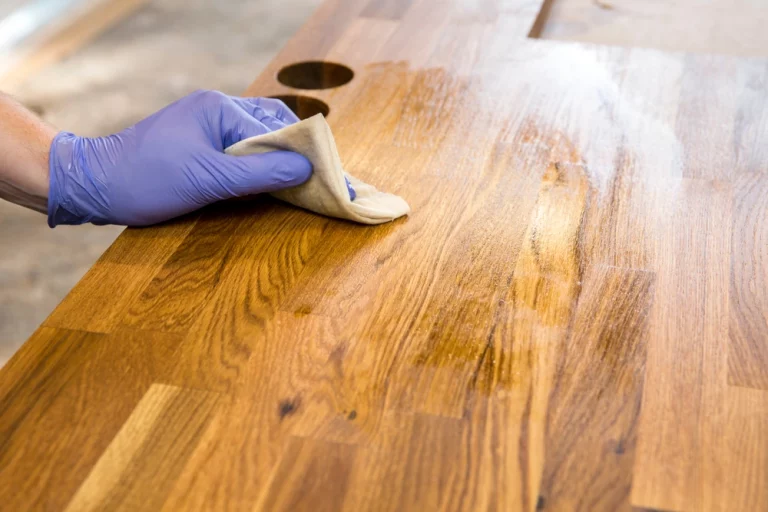
After assembly, it’s time to apply the finishes. Sand any rough surfaces and apply a primer if you’re going to paint. For staining, choose a stain that complements your home’s decor and apply it evenly. Allow the mantel to dry completely before the following steps.Lastly, attach the fixtures and hardware necessary for mounting the mantel. This may include corbels or braces if your mantel design calls for them. HouseGrail offers examples of different mantel plans that incorporate various finish and fixture options that can inspire your project. Make sure the mantel is securely mounted and level on your fireplace.Your finished mantel should not only enhance the ambiance of your room but also serve as a testament to your craftsmanship.Installation and Safety Tips
 When installing a DIY fireplace mantel, it’s imperative to securely fasten the mantel to your wall and adhere to fire safety guidelines to ensure a safe and stable setup.
Securing the Mantel
- Measure Accurately: Before drilling or mounting, confirm that your measurements are precise. Wrong measurements can lead to an unstable mantel.
- Use Suitable Supports: Use heavy-duty mounts or a mounting board for a strong hold. Refer to This Old House for guidance on the placement of the mantel and securing it properly.
Fire Safety Considerations
- Maintain Clearance: There must be a minimum clearance between the fireplace opening and the mantel to prevent heat damage and fire hazards. Check local building codes for specific requirements.
- Non-combustible Materials: If you’re adding decorative elements, ensure they are made from non-combustible materials, or are placed at a safe distance from the heat source. Learn about non-combustible materials from Family Handyman.