Key Takeaways
- Learn how to enhance your home with DIY projects.
- Get inspiration and guidance for projects suitable for all skill levels.
- Discover budget-friendly projects that make a big impact.

Top 25 Big DIY Home Improvement Projects to Consider
Undertaking large DIY home improvement projects can significantly enhance your living space. This guide covers a range of transformative efforts, from kitchen remodels to smart home upgrades.Kitchen Remodel
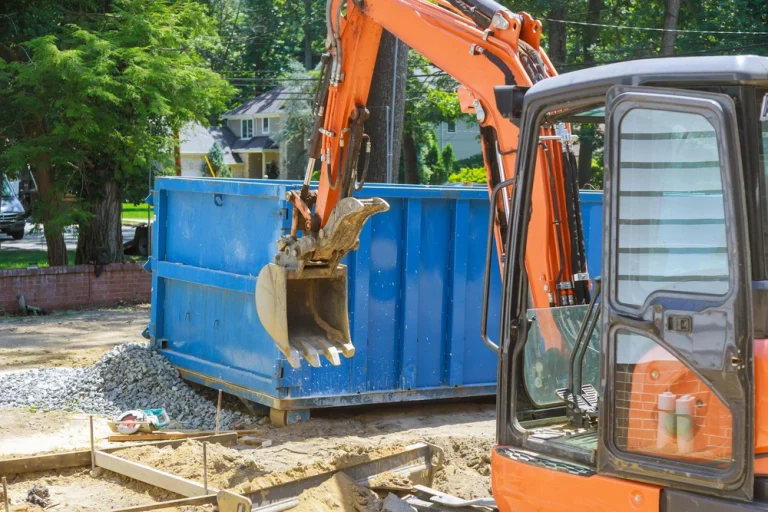
A kitchen remodel can revamp the heart of your home. Focus on updating cabinets and countertops, installing modern appliances, and adding a kitchen island. Consider two-tone cabinets for a trendy look. Upgrading lighting fixtures can also enhance functionality and ambiance. A home dumpster rental can help manage debris during this extensive project.Bathroom Renovation
Updating your bathroom can improve comfort and add value to your home. Replace outdated tiles, install a modern vanity, and upgrade to water-efficient fixtures. Adding a walk-in shower or soaking tub can create a spa-like atmosphere. Be sure to plan for plumbing changes and budget for unforeseen issues.Installing Hardwood Floors
Hardwood floors add elegance and durability. Choose high-quality wood and consider factors like room traffic and moisture levels. Installation involves removing old flooring, preparing the subfloor, and meticulous laying of planks. Properly secure and finish the floors to avoid warping.Building a Deck
A deck provides an outdoor living space for relaxation and entertainment. Select durable materials like pressure-treated wood or composite decking. Consider the design, including railings and stairs, and ensure structurally sound construction. A home dumpster rental will be useful for managing construction waste.Basement Finishing
Transform your basement into a livable area by adding insulation, flooring, and lighting. Consider creating separate areas for storage, living space, and utilities. Moisture-proofing is crucial to prevent mold and mildew. Plan the layout to maximize functionality and comfort.Attic Conversion
Convert your attic into a useful room, such as a bedroom or office. Ensure proper insulation and ventilation. Install windows or skylights for natural light and meet building codes for ceiling height and exit routes. Reinforce the flooring to support additional weight.Replacing Windows
New windows can improve energy efficiency and aesthetics. Choose double- or triple-pane windows for better insulation. Consider the style and material, such as vinyl or wood. Installation involves removing old windows and ensuring a precise fit for the new ones. Seal properly to prevent air leaks.Exterior Siding Replacement
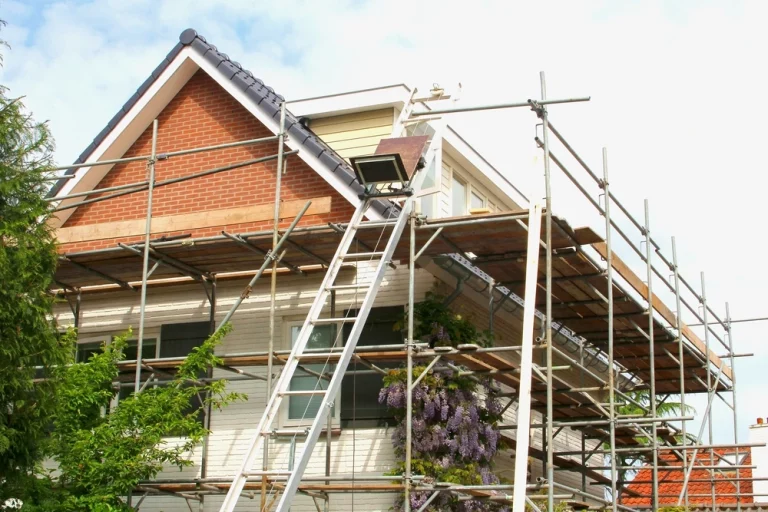
Updating your home’s siding can boost curb appeal and insulation. Options include vinyl, wood, and fiber cement. Each has its own benefits and maintenance requirements. Accurate measurement and secure installation are key to avoiding water damage and enhancing your home’s exterior.Roof Replacement
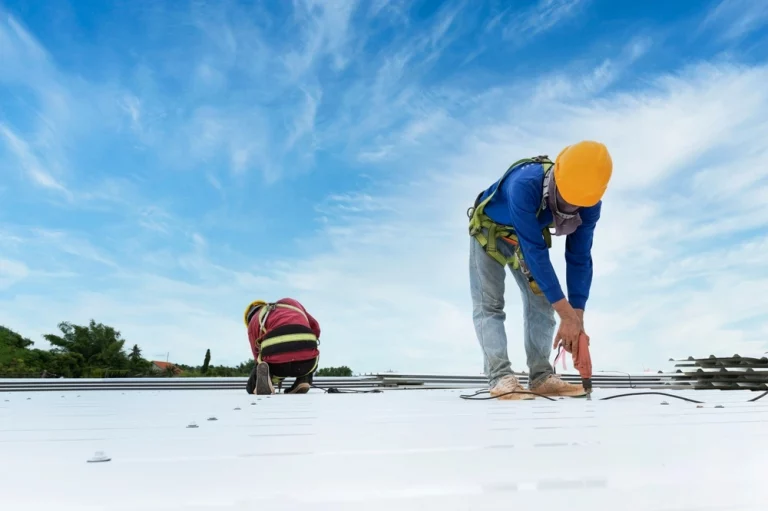
A new roof protects your home and improves energy efficiency. Choose from materials like asphalt shingles, metal, or tile. The project involves removing old roofing, dispose of the materials in a roofing dumpster rental, repairing the underlayment, and installing new materials. It’s a complex task that may require professional consultation.Installing Solar Panels
Adding solar panels can reduce energy costs and increase sustainability. Assess your roof’s condition and orientation for optimal sunlight. Choose between grid-tied or off-grid systems. Installation involves mounting panels and connecting them to your home’s electrical system, often requiring permits and professional assistance.Adding a Home Office
Create a productive workspace by converting a spare room or a section of a room. Add a sturdy desk, ergonomic chair, and ample storage. Ensure proper lighting and minimal distractions. Custom-built shelves and cable management solutions can enhance organization.Open Floor Plan Conversion
Removing walls can create a spacious, open layout. Ensure that removed walls are not load-bearing or consult a structural engineer. Consider the flow between living spaces and plan for rerouting electrical and HVAC systems. Creating a harmonious design between rooms is crucial.Bathroom Addition
Adding a bathroom can increase convenience and home value. Choose a location near existing plumbing to reduce costs. Decide on the size and features, such as a walk-in shower or dual sinks. Ensure proper ventilation and waterproofing to maintain hygiene and durability.Walk-in Closet Installation
A walk-in closet offers ample storage and organization. Plan the layout with shelves, hanging rods, and drawers. Consider adding lighting and mirrors. Using high-quality materials and maximizing space efficiently can create a useful and attractive storage solution.Garage Conversion
Transform your garage into a functional space, such as a gym or living area. Insulate walls, add flooring, and install proper lighting. Consider adding windows or a new entrance. Ensure the space is adequately heated and cooled for comfort year-round.Building a Shed/Shed Conversion
A shed provides extra storage or workspace. Choose durable materials like metal or treated wood. Plan the layout for maximum utility. For shed conversions, add insulation, windows, and electrical wiring if needed. Use a residential dumpster rental to manage construction waste efficiently.Landscaping Overhaul
Enhancing your yard can boost curb appeal. Consider planting native species, adding a garden, or installing pathways. Incorporate elements like a patio or water feature. Proper planning, soil preparation, and ongoing maintenance are key factors for a successful project.Home Theater Installation
Create an immersive entertainment space with large-screen TVs or projectors, comfortable seating, and a sound system. Consider soundproofing to enhance acoustics. Incorporate storage for media and equipment, and optimal lighting to improve the viewing experience.Smart Home Upgrades
Integrating smart technology enhances convenience and efficiency. Start with smart lighting, thermostats, or security systems. Extend to smart appliances and voice-controlled assistants. Ensure compatibility between devices and secure your network to protect personal information.Kitchen Island Addition
A kitchen island adds counter space and storage. Choose materials that match your kitchen’s design. Consider including features like a sink, stove, or seating area. Ensure there’s enough space for movement and that utilities are accessible if needed.Installing a Hot Tub or Pool
A hot tub or pool offers relaxation and fun. Choose the right size and location, considering privacy and sun exposure. Ensure proper installation of plumbing and electrical systems. Regular maintenance is essential to keep the water clean and equipment functioning.Replacing Doors
New doors enhance security and aesthetics. Choose materials like wood, steel, or fiberglass. Consider energy-efficient options to improve insulation. Proper measurement and installation are crucial for a secure fit. Update door hardware for added functionality and style.Building a Greenhouse
A greenhouse extends your growing season. Choose a location with ample sunlight and easy water access. Build with durable materials like polycarbonate panels. Incorporate ventilation and heating systems to maintain an optimal growing environment. Use a driveway dumpster rental to handle construction debris.Installing Crown Molding
Crown molding adds elegance to a room. Choose a style that complements your decor. Measure and cut pieces accurately, and use adhesive and nails for secure installation. Painting or finishing the molding can enhance its appearance and blend with existing decor.Insulating the Home
Proper insulation improves energy efficiency. Focus on walls, attics, and basements. Choose from materials like fiberglass, foam, or cellulose. Ensure adequate ventilation to prevent moisture buildup. Proper installation is key to maximizing the benefits of insulation.Planning Your DIY Home Improvement Projects
 Effective planning helps ensure your DIY home improvement projects are successful. This involves setting a budget, identifying priorities, and gathering the necessary tools and hardware.
Setting a Realistic Budget
Budgeting is your first step. Determine how much you can spend without straining your finances. This includes costs for materials, tools, and any potential labor. Start by listing everything required for your project and obtaining price estimates. Make sure to include a buffer for unexpected expenses. Always prioritize quality over cost to avoid future repairs. A budget spreadsheet or dedicated app can help track expenses and keep everything organized.Identifying Priorities for Beginners
For beginners, it’s crucial to start with simpler projects. Identify what needs immediate attention, such as minor repairs or small enhancements that make a significant difference. Projects like painting a room or replacing cabinet hardware are manageable and offer great practice for more complex tasks. Avoid overestimating your skill level; taking on too much initially can result in unfinished projects or costly mistakes. Learning to prioritize helps build confidence and skill gradually.Gathering Necessary Tools and Hardware
Having the right tools is essential for any DIY project. Invest initially in basic tools like a hammer, screwdrivers, a measuring tape, and a drill. As you progress, expand your toolkit to include items specific to your projects, such as a circular saw for woodworking or a nail gun for more extensive construction tasks. Ensure you have all necessary hardware, such as screws, nails, and bolts. Using quality tools and materials enhances the safety and effectiveness of your home improvements.Preparation Steps for DIY Projects
 Proper preparation is crucial for successful DIY home projects. Before diving into a project, ensure you understand the basics of home maintenance and prioritize safety measures.