Key Takeaways
- DIY home remodeling can enhance your space affordably.
- Planning is key for successful and cost-effective updates.
- Minor changes can have a significant impact on your home’s appeal.

Planning Your DIY Home Remodel
Planning a DIY home remodel involves clear goal setting, budget establishment, and careful design considerations. By focusing on these key areas, you can ensure a successful renovation without unnecessary complications.Evaluating Home Improvement Goals
Begin by defining your home improvement goals. Identify which areas of your home need attention and consider the purpose of each project. Prioritize spaces that impact daily life the most, such as kitchens or bathrooms. Determine whether you’re addressing structural issues, enhancing aesthetics, or improving functionality. Discuss these goals with household members to ensure everyone’s needs are met. Write down these objectives to keep your project focused.Setting a Realistic Budget
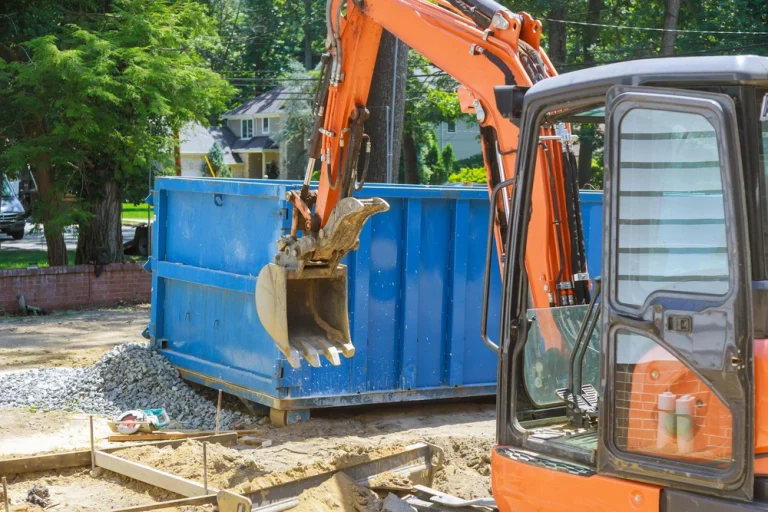
Establishing a budget is critical for any DIY home remodel. Start by researching typical costs associated with your goals. Allocate funds for materials, tools, and any professional help you might need, such as electricians or plumbers. Add a buffer of about 10% for unexpected expenses. Utilize resources like home improvement loans if needed. Tracking expenses carefully will help prevent financial stress. Don’t forget to consider the cost of a home dumpster rental, as you will need somewhere for all the trash and debris to go.Design & Layout Considerations
When planning the design and layout, consider both functionality and aesthetics. Evaluate existing structures and determine how changes may affect the flow and usability of the space. For instance, removing walls can open up a room but may require additional support. Create a detailed plan that includes measurements and sketches to visualize the final result. Utilize tools like 3D modeling software for more precise layouts. Consider future needs and resale value with every design decision.Getting Started with DIY Projects
Embarking on DIY projects can be both rewarding and cost-effective. Key considerations include ensuring you have the right tools and materials, prioritizing safety, and setting a realistic timeline for your projects.Tool and Material Acquisition
Acquiring the right tools and materials is crucial for any DIY project. Essential tools include a tape measure, level, screwdrivers, and a power drill. For more advanced tasks, consider a circular saw, which can be complemented with a ripping fence for precise cuts. Invest in basic painting supplies—such as brushes, rollers, and drop cloths—for projects involving walls or furniture.A compressor and nail gun can be useful for larger tasks. Be sure to assess each project’s requirements to avoid unnecessary purchases. Properly planning and sourcing your materials—whether for painting, building, or repairs—can save time and expense Family Handyman.Safety Precautions
Safety must be prioritized to prevent accidents during your DIY endeavors. First, familiarize yourself with each tool by reading manuals or watching instructional videos. Wear appropriate safety gear, such as goggles, gloves, and masks, especially when working with power tools or toxic substances like paints and solvents.Ensure your workspace is well-lit and ventilated. Keep a first aid kit nearby for quick access in case of minor injuries. Plan and follow safety protocols for every step of your project. Avoid rushing through tasks; a steady and cautious approach reduces the risk of accidents and enhances the overall quality of your work.Project Scheduling
Effective scheduling ensures that each DIY project is completed efficiently. Begin by listing all the steps necessary for the project, and allocate realistic timeframes for each task. Factor in potential delays for material acquisition or unforeseen challenges.Be mindful of your personal schedule to avoid overcommitting. Set aside dedicated time slots for work to maintain consistency. For larger projects, break them down into manageable phases to maintain momentum and motivation.Proper planning also includes reserving time for cleanup and adjustments. Whether you are painting a room or building furniture, sticking to a schedule helps you stay organized and track progress.Upgrading Interiors
 Updating your home’s interior can greatly enhance its appeal and functionality. Focus on modern lighting fixtures, innovative flooring solutions, and wall and ceiling treatments to transform your spaces effectively.
Modernizing Lighting Fixtures
Upgrading lighting is an impactful way to modernize your home. Consider replacing outdated fixtures with sleek, modern light fixtures. Options like pendant lights and track lighting add style and can complement your interior design. Installing dimmer switches allows you to control ambiance and save energy.For a kitchen upgrade, swap fluorescent lights with LED under-cabinet lighting to illuminate countertops and showcase cabinetry. Select fixtures in finishes such as matte black or brushed nickel to match modern kitchen decor styles. Highlight artwork or architectural features with adjustable spotlights for a curated look.Installing New Flooring
Choosing the right flooring significantly affects aesthetics and functionality. Hardwood floors are a popular choice due to their durability and timeless appeal. Choose engineered wood for moisture-prone areas like kitchens. If on a budget, luxury vinyl planks offer the look of wood or stone at a fraction of the cost.Kitchens benefit from durable materials like ceramic tiles or engineered hardwood. New flooring can rejuvenate your space, with options ranging from easy-to-install laminate to elegant marble. Consider comfort, maintenance, and style when selecting flooring to ensure it fits your lifestyle and taste.Refreshing Walls and Ceilings
Walls and ceilings are foundational to a room’s design. Start by painting walls with colors that offer a sense of space or warmth. Neutral palettes allow flexibility in decorating, while bold colors can create focal points. For added texture, consider wallpaper or wall decals.Incorporate open shelves to replace bulky cabinets, adding both storage and style, especially in kitchens. For ceilings, add interest with crown molding or exposed beams. Utilize statement paint colors for ceilings to contrast or complement wall colors, enhancing the visual interest in any room.Maximizing Storage and Space
Enhancing your home’s storage capacity involves strategic solutions like open shelving, innovative cabinet designs, and organized closets and pantries. Each approach efficiently uses available space and improves accessibility and aesthetics in your home.Utilizing Open Shelving
Open shelving offers an elegant way to add storage while keeping essential items within reach. It’s a practical choice for kitchens, where you can display dishes, spices, and cookware. By using floating shelves, you create a visually appealing space that also provides functionality. In living areas, consider arranging books, decorative objects, or plants on open shelves to add style. This setup also encourages regular organization, helping maintain a tidy environment.Clever Cabinet Solutions
Cabinet innovations can redefine storage efficiency in your home. Sliding barn doors save space while offering easy access to stored items. Consider incorporating banquette seating with built-in storage, combining seating with hidden compartments. Including recessed cabinets in bathrooms or kitchens maximizes storage without taking up additional room. These solutions are ideal for keeping your space organized without sacrificing style.Organizing Closets and Pantries
An efficient closet or pantry organization can dramatically improve your daily routine. Use adjustable shelves and rods to customize storage for clothing or kitchen supplies. Installing labeled containers or baskets helps streamline item location. For small kitchens, constructing a corner pantry creates valuable storage space without cluttering. These strategies enhance access and maintain a neat, functional environment in your closets and pantries.Beautifying Outdoor Areas
 Transforming your outdoor space into an inviting retreat requires thoughtful enhancements and well-planned structures. You’ll find that focusing on elements like decking, patios, and outdoor buildings can dramatically alter the feel and usability of your garden or yard.