Key Takeaways
- Renting a dumpster is key for efficient debris disposal.
- Choose the right size and schedule for your shed project.
- Stay organized to streamline construction and cleanup.

Understanding Dumpster Rental Basics
When embarking on a DIY she shed construction, understanding the fundamentals of dumpster rental is crucial. Key points include selecting the appropriate dumpster size and knowing the differences between roll-off dumpsters and trailer dumpsters.Choosing the Right Dumpster Size
Choosing the right dumpster size is essential for efficient waste management. Sizes typically range from 10 to 40 yards. For a DIY she shed project, a smaller size like a 10 or 20-yard dumpster is generally sufficient. These dumpsters can hold debris from demolition, such as wood, plaster, and other construction materials. The cost of renting a dumpster often varies by size. For example, a 10-yard dumpster might cost between $200-$400, while a larger 40-yard model could range from $400-$600. It’s wise to assess the volume of your waste before making a decision. Overfilling can lead to additional fees, so it’s important to estimate your needs accurately. Keep in mind that certain materials may not be allowed, so check with your rental provider for any restrictions.Types of Dumpsters: Roll-Off and Trailer
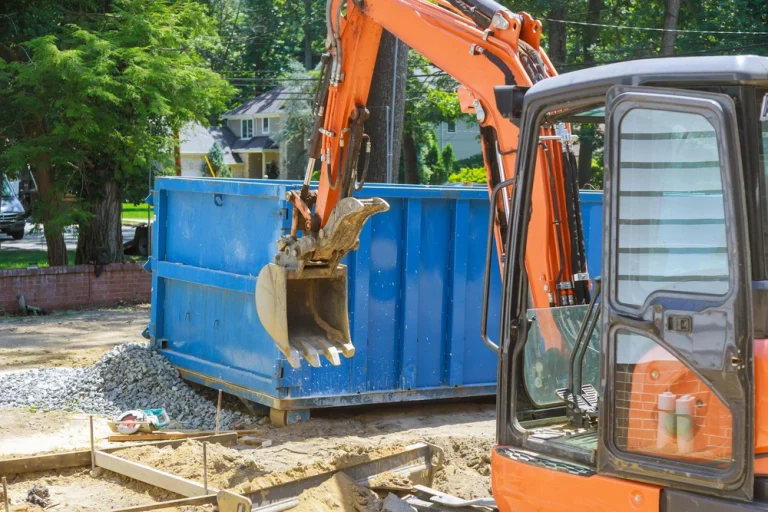
There are different types of dumpsters available, mainly roll-off and trailer dumpsters. Roll-off dumpsters, as their name suggests, roll off the truck and are easily placed at your site. They are suitable for large projects and can handle significant debris volume. Roll-off dumpsters are known for their convenience and accessibility, as they are delivered and picked up with a hook and pulley system. In contrast, trailer dumpsters are smaller and more maneuverable. They are ideal for sites with limited space or less waste. Unlike roll-offs, trailer dumpsters are transported on a truck that can navigate tighter spaces, making them a good choice for homes with narrow driveways. Understanding these differences can help you determine which option best fits your project needs and site conditions.Navigating the Rental Process
When renting a dumpster for a DIY she shed construction, it’s essential to plan ahead by choosing a reliable rental company, scheduling the service efficiently, and being clear about your rental period. These steps ensure seamless waste management throughout your project.Selecting a Rental Company
To find the right rental company, start by researching the options available in your area. Look for companies with positive customer reviews and a strong reputation for customer service. Assess their range of offered sizes to ensure they can accommodate your project needs. A reliable company will offer transparent pricing and clear contract terms, helping you avoid unexpected fees. Request quotes from multiple companies to compare prices and services. Ensure that they have clear policies on overfilling and prohibited materials, as these can affect costs. It’s also wise to check if they offer flexible rental periods to accommodate potential changes in your construction timeline.Scheduling Delivery and Pickup
Once you’ve selected a company, schedule the dumpster delivery to align closely with the start of your project. This minimizes the rental period and helps avoid additional fees. Communicate your preferred delivery date clearly, ensuring that someone is available to direct the placement of the dumpster upon arrival. Coordinate the pickup schedule to occur shortly after project completion. Avoiding early pickup ensures you have ample time to dispose of all debris. Always confirm the pickup process with your provider. Some companies may offer a flexible scheduling option, which can be beneficial if your timeline shifts unexpectedly.Understanding Rental Periods
Understanding the rental period is crucial for efficient planning and budgeting. Standard rental periods typically range from one to two weeks, but some companies offer daily or monthly rates. Clarify what’s included in your rental agreement and whether you can extend the rental if needed. Be aware that exceeding the agreed rental period may incur additional fees, so try to project how long you will need the dumpster as accurately as possible. Inquire if there are any grace periods or discounts for early pickup to optimize costs. Having a clear understanding of the rental terms will prevent confusion and support your project’s smooth execution.Preparing for Dumpster Delivery
 Efficiently preparing for your dumpster delivery involves careful planning of location and space requirements as well as understanding local regulations and necessary permits. Each element plays a crucial role in ensuring a smooth delivery process and successful DIY project completion.
Determining Location and Space Requirements
To start, assess the ideal spot for your dumpster on your property. Ensure the proposed location is free from obstructions such as cars, trees, and hanging wires that could interfere with delivery and placement. Creating a clear path will facilitate hassle-free delivery and retrieval of the container. An open, flat surface—like a driveway—is ideal. Consider the dimensions of various dumpster sizes. A typical roll-off container might measure 10 to 40 cubic yards, so choose according to your project size and waste volume. Keep in mind that dumpsters require additional clearance for the delivery truck, so space availability affects not only the container but also maneuvering of the delivery vehicle.Permit Requirements and Local Regulations
Contact your local government or municipal office to determine if there are any permit requirements for placing a dumpster on your property. Regulations may differ significantly based on your location, especially if your chosen spot is on a public street. Failing to secure proper permits could result in fines or delays. Familiarize yourself with local regulations that may affect dumpster placement. For instance, some areas have restrictions on where a dumpster can be situated to maintain a clear passage for pedestrians and vehicles. Understanding these rules helps avoid potential legal issues and ensures your home renovation project proceeds smoothly. Being proactive in this step can save both time and expense.Best Practices for Using Your Rental Dumpster
Effectively using your rental dumpster can greatly enhance your DIY she shed construction experience. Focus on optimizing how you load heavy debris, understanding what items are prohibited, and making the most out of your waste removal process for efficiency and safety.Loading Tips for Heavy Debris
When handling heavy debris, prioritize safety and ease of use. If your dumpster has a swinging door, use it to load those weighty items directly into the unit. This minimizes the need to lift debris over the sides and reduces physical strain. Consider the order of loading. Place heavier items at the bottom to stabilize the load. This method ensures better weight distribution and prevents damage to lighter materials. Use large, flat items like plywood or discarded doors as a base layer. They help distribute weight evenly and create a more level surface for additional debris. Be cautious of weight limits; exceeding them can incur extra charges.Prohibited Items and Hazardous Materials
Awareness of prohibited items is crucial to avoid fines or legal trouble. Typical unallowed materials include hazardous waste, chemicals, and certain electronics. Consult your rental provider for a list of banned items specific to your area, as regulations can vary. Avoid placing hazardous materials like oil, paint, or asbestos in the dumpster. These require special handling procedures. Batteries and tires are also often banned due to potential environmental damage. Confirm with your rental company for disposal alternatives or specialized waste facilities that handle these materials safely.Maximizing Waste Removal Efficiency
To optimize waste removal, plan your loading strategy thoughtfully. Keep waste types separated; wood, metal, and recyclable materials can often be disposed of separately, potentially saving money. Fill gaps using smaller items. This practice conserves space, allowing you to fit more material in one go. Consider the use of compact waste-compacting tools if permissible, which crush materials to save space. Overloading your dumpster could lead to safety hazards and additional fees. Maintain a regular disposal schedule with your rental company to facilitate uninterrupted work on your she shed project. Focus on organized, efficient waste disposal to keep your project site clean and clutter-free.Completing Your DIY She Shed Construction
 Finalizing your She Shed project requires attention to debris disposal and waste management. Efficient strategies ensure that waste is properly recycled and disposed of, maintaining environmental responsibility and cleanliness.