Key Takeaways
- Dock demolition requires careful planning and assessment.
- Employing different demolition methods depends on specific project needs.
- Utilizing a dumpster rental from Waste Removal USA aids in effective debris management.

Understanding Dock Demolition
Dock demolition is a critical process in marine construction and often involves the careful removal of structures like piers and marine docks. This task requires a combination of skilled engineering techniques and specialized equipment to ensure safety and efficiency.History of Dock Construction and Evolution
Docks have a long history dating back to ancient civilizations where they played a vital role in trade and transportation. Initially, docks were simple structures made of wood or stone, designed to facilitate the loading and unloading of ships. Over time, advancements in engineering led to more sophisticated designs and materials.The Industrial Revolution marked a significant evolution in dock construction. Steel and reinforced concrete began to replace traditional materials, allowing for the construction of larger and more durable docks. This transition greatly enhanced the functionality and longevity of marine structures.Types of Docks and Their Purposes
There are several types of docks, each serving specific functions. Floating docks are commonly used in recreational areas due to their flexibility and ease of installation. Fixed docks, built on pilings or other permanent structures, provide greater stability and are often used in commercial and industrial settings.Wharfs and piers are other crucial types of marine structures. Wharfs are generally used for loading and unloading cargo, while piers often serve both commercial and recreational purposes. Each type of dock is designed with specific engineering considerations to support its intended use.Significance of Docks in Marine Transportation
Docks are indispensable to marine transportation and the overall efficiency of waterborne trade. They facilitate the transfer of goods and passengers between ships and land, making them integral to global commerce. The design and condition of docks directly impact their effectiveness in supporting marine activities.When it comes to dock demolition, careful planning is essential to minimize disruption to marine transportation. Using a dumpster rental can significantly aid in the demolition process by ensuring efficient removal of debris. Renting a residential dumpster helps streamline the cleanup, making the site ready for new construction or repurposing.Understanding the intricacies of dock demolition is crucial for maintaining the integrity and functionality of waterfront areas. Skilled engineering, appropriate demolition techniques, and effective debris management all play vital roles in this important task.Pre-Demolition Assessment and Planning
Successful dock demolition requires thorough assessment and meticulous planning. This helps in ensuring the safety of workers, adherence to regulations, and efficient waste management, including utilizing a roll-off dumpster rental to handle debris cleanup.Evaluating the Condition of Docks
You need to evaluate the current condition of the docks before beginning the demolition process. This involves a thorough inspection to pinpoint any structural weaknesses. Look for signs of wear such as rust, corrosion, and damage to wooden components. Collect data on the dock’s materials to plan proper disposal methods.Tools for Assessment:- Visual inspection tools
- Structural analysis software
- Moisture meters
Marine Structural Assessments
Conducting marine structural assessments involves evaluating the integrity of underwater support elements. You need to inspect piles, beams, and other substructures that are often exposed to harsh marine environments. Underwater inspections may require specialized diving teams and equipment like sonar imaging.Key Considerations:- Corrosion of metal supports
- Degradation of wooden piles
- Stability under current water conditions
Demolition Planning and Safety Protocols
Creating a detailed demolition plan is crucial. Include safety protocols to protect workers and the surrounding environment. Outline steps for disassembly, identify hazardous materials, and plan for proper waste disposal. Leveraging a roll-off dumpster rental can simplify debris management, ensuring a cleaner worksite.Safety Measures:- Personal protective equipment (PPE)
- Environmental safeguards to prevent contamination
- Emergency response strategies
Demolition Methods and Considerations
 When demolishing a dock, it’s crucial to consider the best techniques, environmental impacts, and safely handling partially collapsed structures. Proper planning and execution ensure efficient and responsible demolition.
Choosing the Right Demolition Techniques
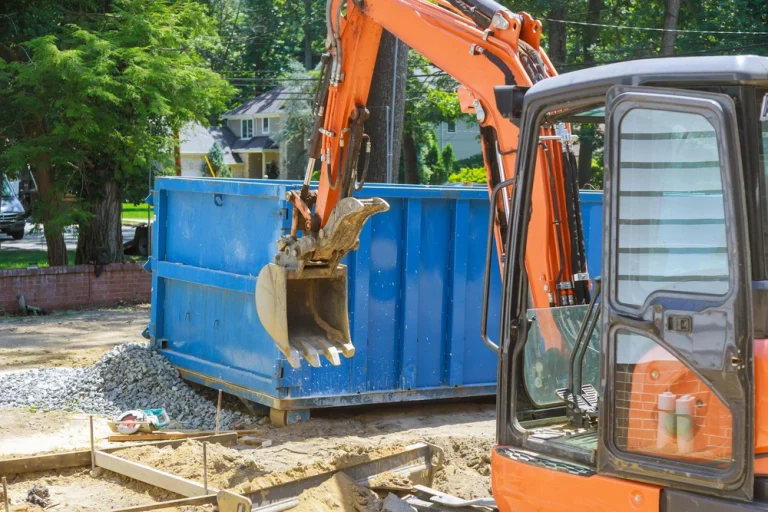
Selecting the appropriate demolition methods for dock removal is essential for safety and efficiency. Common techniques include mechanical demolition, which uses machinery like excavators to dismantle the structure. For docks, using controlled demolition techniques can prevent unnecessary damage to the surrounding environment and structures.Manual demolition might be necessary for more delicate parts of the dock. This involves workers using tools to carefully deconstruct the dock piece by piece. Explosive demolition is less common for docks but can be used in specific cases where quick removal is necessary. Always consider the dock’s material, structure, and location when choosing the right technique.Environmental Considerations in Dock Removal
Dock demolition can significantly impact the environment if not managed properly. It’s essential to minimize debris and contaminants from entering waterways. Using silt curtains and other containment systems can help protect aquatic life and water quality.Proper disposal of materials, such as treated wood and metal, is also crucial. These materials should be sorted and disposed of according to environmental regulations. A roll-off dumpster rental can streamline the cleanup process, ensuring debris is managed efficiently and sustainably. Reusing and recycling materials where possible can further reduce environmental impact.Handling Partially Collapsed Structures
Dealing with a partially collapsed dock requires special attention to safety and technique. Stabilize the structure first to prevent further collapse. This may involve shoring up weak areas or using cranes to secure larger sections.Careful dismantling is crucial to avoid sudden movements that could endanger workers. Unstable parts should be removed methodically, often section by section, to control the collapse. Using a home dumpster rental ensures quick and organized removal of debris, preventing the site from becoming cluttered and hazardous. Always conduct a thorough risk assessment and have emergency plans in place.Case Studies and Regulatory Framework
Effective dock demolition requires understanding specific local challenges, adhering to strict regulations, and employing innovative technologies to enhance efficiency and safety. Below are detailed insights into these aspects.Dock Demolition Projects in King County
In King County, several dock demolition projects highlight the complexity and scope of such endeavors. For example, the demolition of aging dock structures in the Seattle waterfront area showcased the importance of meticulous planning and execution. Local contractors had to navigate environmental regulations, including measures to protect marine life. Utilizing a dumpster rental for debris removal proved essential, roll-off dumpsters streamlining the cleanup process and ensuring compliance with local waste management policies.Regulations and Best Practices in Dock Demolition
Dock demolition in the region necessitates adherence to a robust regulatory framework. King County mandates strict guidelines to minimize environmental impact, such as controlling sediment and preventing contamination from hazardous materials. Best practices include thorough site assessments, using silt screens to protect waterways, and adhering to deconstruction protocols that sequentially dismantle dock components. A dumpster rental simplifies waste segregation and disposal, aligning with county regulations on recycling and hazardous waste management.Innovations in Marine Demolition Technology
Technological advancements have significantly improved dock demolition methods. In King County, innovative tools such as underwater saws, remote-operated vehicles (ROVs), and advanced dredging equipment have enhanced precision and safety. These technologies help mitigate environmental impact and reduce project timelines. Incorporating a roll-off dumpster rental facilitates efficient debris management, allowing you to focus on specialized demolition tasks while ensuring waste materials are appropriately handled and disposed of.Reconstruction and Future Developments
 Advancements in dock reconstruction are reshaping waterfronts through innovative engineering and sustainable practices. Strategic rebuilding efforts not only enhance durability but also address modern needs such as shoreline stabilization.