Key Takeaways
- Choose the right dumpster to manage multi-site waste effectively.
- Coordinate service coverage and scheduling for seamless operations.
- Consider pricing and sustainability to optimize project efficiency.

Understanding Dumpster Rental Options
When planning a multi-site project, selecting the appropriate dumpster and rental terms is crucial. Focus on choosing the right size and rental period to meet your needs efficiently.Determining the Right Dumpster Size
Selecting the appropriate dumpster size is essential for efficient waste management. For small tasks, a 10-yard dumpster is typically adequate, offering enough capacity for minor renovations or small landscaping projects. If you’re involved in more substantial efforts like clearing out a large home or medium-scale construction, the 15-yard and 20-yard dumpsters provide added capacity without occupying excessive space. For large constructions and industrial projects, a 30-yard dumpster might be necessary, especially for handling heavy materials like concrete and demolition debris. The largest available, the 40-yard dumpster, suits extensive projects that produce large volumes of waste. Assess the scale of your work to match the dumpster size, ensuring you have room to manage debris without constant removal delays.Various Rental Periods for Flexibility
Dumpster rental services offer various rental periods to accommodate different project timelines. Flexible rental periods allow you to choose daily, weekly, or monthly schedules depending on your project’s duration. Short-term rentals provide solutions for quick clean-ups or events, whereas longer terms are ideal for construction projects lasting several months. Discuss with rental services about extensions or changes if your project timeline shifts. Some services may offer discounts for longer terms or bulk rentals across multiple sites, ensuring cost-efficiency. Planning your rental period effectively ensures that your dumpster aligns with your project schedule, reducing potential interruptions and aligning waste management seamlessly with your operational needs.Managing Multi-Site Waste Efficiently
When managing waste across multiple locations, efficient use of resources is crucial. Successful strategies include effective planning and utilization of roll-off containers to handle construction and demolition debris smoothly.Planning for Construction and Demolition Debris
Planning is vital for the efficient management of construction and demolition debris across several sites. Start with assessing each location’s specific needs. Identify the types of debris generated, like concrete, wood, or metal, and estimate their volumes. Create a timeline for waste removal that aligns with your project phases. This ensures debris doesn’t accumulate, which could impede progress. Partnering with reliable dumpster rental services can streamline the scheduling and logistics of transporting containers between sites. It helps in maintaining a clean and safe working environment. Utilize waste management software or tools to track the disposal process. Setting up checkpoints for evaluating waste trends and dumpster fill levels can lead to more efficient disposal plans. Regular audits of waste streams help you adjust strategies as needed.Effective Roll-Off Container Usage
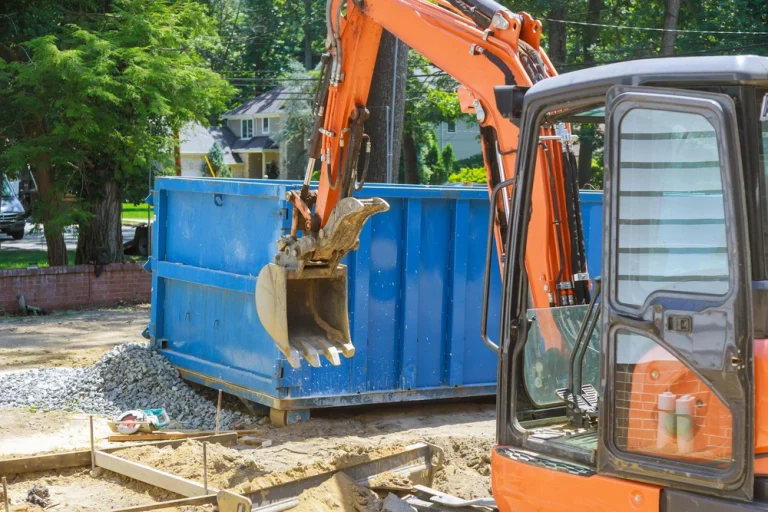
Use roll-off containers efficiently by selecting the right sizes for each site’s needs. Roll-off container rentals offer various sizes, making them suitable for diverse project scopes. For smaller sites, a 10-yard container may suffice, but larger projects might demand 20-yard or 30-yard options. Place containers strategically to optimize accessibility while minimizing interference with work zones. Proper placement expedites load disposal and reduces transport time. It’s crucial to educate your team about the correct usage and filling methods to maximize container space. Routine checks on container conditions and fill levels help prevent overflows and extra disposal trips. Establish clear guidelines for sorting recyclable materials like metal and wood, promoting eco-friendly waste management. This approach not only conserves resources but also reduces overall costs associated with debris removal.Sustainability and Recycling Initiatives
 Adopting sustainable practices in dumpster rentals for multi-site projects can significantly reduce environmental impact. By integrating recycling and working towards zero waste goals, you ensure efficient resource use and promote eco-friendly waste management.
Incorporating Recycling into Waste Management
Recycling is an essential part of sustainable waste management. Many dumpster rental services collaborate with recycling facilities to reduce landfill contributions. This partnership ensures waste is properly sorted and recyclable materials are processed correctly. Choosing a dumpster service that prioritizes recycling can help you meet environmental targets. Sorting waste into recyclables and non-recyclables on-site makes waste processing more efficient. Clear labeling and designated sorting areas facilitate this process. Consider using covered dumpsters to protect recyclables from contamination by weather. These practices not only promote sustainability but also streamline your waste management.Striving Towards Zero Waste Goals
Zero waste aims to minimize waste output and maximize resource recovery. Achieving zero waste in multi-site projects requires thorough planning and commitment. Dumpster rentals play a role by offering solutions that accommodate segregated waste collections, making it easier for you to separate materials and send them for recycling. To work towards zero waste, set realistic targets and deadlines for waste reduction. Educate staff and stakeholders about these goals and the benefits of achieving them. Regular waste audits can track progress, providing valuable insights into areas that require improvement. Striving for zero waste enhances your project’s sustainability and demonstrates your commitment to environmental stewardship.Service Coverage and Pick-Up Scheduling
Effectively managing dumpster rentals across multiple sites requires an understanding of the service coverage and strategic pick-up scheduling. Identify relevant service areas to ensure efficient waste management and seamless coordination. Utilizing reliable services in regions like San Antonio can contribute significantly to streamlining waste removal processes.Understanding Service Areas and Limitations
When planning dumpster rentals, identify which service providers cover your project locations. Not all providers have the same service areas, and coverage may vary depending on geographic factors. This step is crucial in ensuring your site receives the needed services without delays. Considerations include proximity to urban centers, accessibility of the sites, and any regional limitations the provider may have. Understanding these factors can help you select a service capable of meeting your specific needs. For instance, a service based in San Antonio may offer more responsive support to local projects due to shorter distances and familiarity. Evaluating a company’s track record for timely delivery, customer service, and flexibility is also essential. Choose a provider known for reliability to prevent interruptions that could slow down your project timelines.Scheduling Pick-Up Services for Convenience
Scheduling pick-up services at your convenience is vital for efficient waste management. Align pick-up times with your project schedules to avoid disruptions. Synchronizing these services with project milestones can reduce waste overflow and enhance productivity. Communicate clearly with your provider to ensure your schedule is understood and feasible. It’s beneficial to have contingencies in place for unexpected changes. Regularly monitoring waste levels at your sites can help you adjust pick-up schedules proactively. Utilize a service that offers customizable scheduling options to fit your project’s unique requirements. By being proactive in scheduling, you ensure that waste management doesn’t hinder project progress, keeping your operations smooth and effective.Pricing and Additional Considerations
 When planning dumpster rentals for multi-site projects, understanding pricing structures and potential additional fees is crucial. It’s also important to be aware of weight limits and regulations around hazardous waste to avoid unexpected costs.