Key Takeaways
- Dumpster rentals streamline waste disposal for landlords.
- Choosing the correct dumpster size is crucial.
- Understanding legal and cost aspects is essential.

Understanding Dumpster Rentals
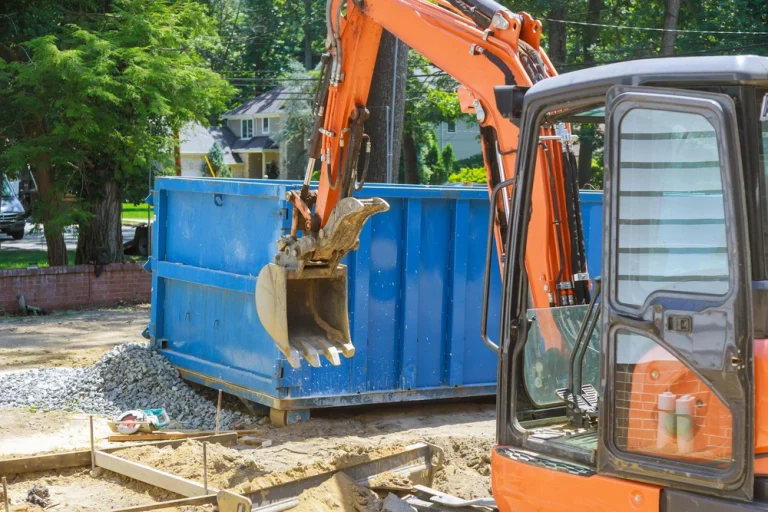
Dumpster rentals are a practical solution for waste management during tenant turnover and property renovations. They provide landlords with a convenient way to handle large volumes of waste efficiently and cost-effectively.What Is a Dumpster Rental?
A dumpster rental involves hiring a company to deliver a large waste container to your property. These containers, known as dumpsters, come in various sizes to suit different project needs. You can rent them for a specific period, after which the company will pick them up and dispose of the waste.Rental periods typically range from a few days to several weeks. The cost can vary based on factors like location, rental duration, dumpster size, and type of debris. Be aware of additional fees for overfilling or prohibited items.Benefits for Landlords
Renting a home dumpster offers numerous benefits for landlords. It helps streamline tenant turnover by providing a centralized location for waste disposal, which saves time and effort. This is particularly useful during property cleanouts or renovations, where large amounts of junk accumulate.Using a dumpster rental can also be cost-effective. By avoiding the need for multiple trips to the landfill, you save on transportation costs. Additionally, it ensures compliance with local waste disposal regulations, reducing the risk of fines.The convenience and efficiency of dumpster services make them a valuable asset for maintaining and managing rental properties. Check out more detailed information about dumpster rentals and how they can help landlords.Choosing the Right Dumpster Size
Understanding the right dumpster size for your property is crucial for efficient waste management during home renovations or construction projects. This guide will help you understand the various available sizes and how to estimate the best fit for your debris and project scope.Common Dumpster Sizes Explained
10-Yard Dumpster- Dimensions: Typically 12′ long x 8′ wide x 4′ high
- Ideal For: Small projects like garage cleanouts or minor home renovations
- Capacity: Holds about 50-60 trash bags or 3 pickup truck loads of debris
- Dimensions: Commonly around 16′ long x 8′ wide x 4.5′ high
- Ideal For: Slightly larger tasks, such as small kitchen remodels
- Capacity: Handles around 80-100 trash bags or 4.5 pickup truck loads of debris
- Dimensions: Usually 22′ long x 8′ wide x 4.5′ high
- Ideal For: Medium-sized renovations or roofing projects
- Capacity: Accommodates 110-130 trash bags or 6 pickup truck loads of debris
- Dimensions: Generally 22′ long x 8′ wide x 6′ high
- Ideal For: Larger construction or renovation projects
- Capacity: Equivalent to 170-190 trash bags or 9 pickup truck loads of debris
- Dimensions: Approximately 22′ long x 8′ wide x 8′ high
- Ideal For: Extensive renovations or commercial projects
- Capacity: Fits 230-250 trash bags or 12 pickup truck loads of debris
Estimating the Right Size for Your Property
Assess the volume and type of debris your project will generate. For smaller cleanouts or minor renovations, a 10-yard or 15-yard dumpster is usually sufficient. A 20-yard dumpster often works well for medium-sized home projects.Larger-scale renovations or extensive construction projects may require 30-yard or 40-yard dumpsters. Keep in mind that choosing too small a dumpster might lead to overfilling, while opting for a larger size can avoid potential additional costs for extra pickups.Consulting with your dumpster rental company can be helpful. Experts can provide advice tailored to your specific project requirements. Accurate estimates ensure you select the right dumpster size, making your property management efficient and cost-effective.Navigating Rental Costs and Fees
 Understanding how to navigate dumpster rental costs and fees is vital for new landlords. It’s essential to grasp short and long-term rental periods and discover strategies to secure the best rates for your needs.
Understanding Rental Periods and Fees
The length of your rental period significantly impacts overall costs. Common rental durations range from a few days to several weeks. Estimating your required rental time accurately can prevent unnecessary fees.Companies typically offer flexible rental periods and may charge for exceeding the agreed timeframe. For instance, if you rent a dumpster for a week and end up needing it for ten days, ensure you know the daily overage rate.Remember, some companies might include a set weight limit and charge extra for exceeding it. Additionally, familiarize yourself with disposal fees for specific materials, as items like hazardous waste may incur higher charges.How to Get the Best Dumpster Rental Rates
To secure the best dumpster rental rates, compare quotes from multiple providers. Use keywords like cost to rent a dumpster to find comprehensive guides and compare options.Request a detailed quote from each vendor to understand the base cost and any potential additional fees. Look for companies offering free online dumpster quotes, which can help you gauge market pricing.Consider the size of the dumpster you need. A 10-yard dumpster generally costs between $200-$400, while a 40-yard dumpster can range from $400-$600 or more. Also, ensure you check for any hidden fees, like charges for prohibited items or overfilling. These steps help ensure you get the best deal for your project.Scheduling Delivery and Pickup
When managing dumpster rentals for your rental properties, it’s crucial to plan both the delivery and pickup effectively to ensure smooth operations. Understanding key steps like setting a delivery date and organizing timely pickup can enhance your efficiency.Setting a Delivery Date
Scheduling the delivery of a residential dumpster rental requires attention to detail regarding the project timeline. You should start by assessing the duration of the project and the waste it will generate. Once you have this information, choose a delivery date that aligns with the start of the project.It’s advisable to book the dumpster in advance to ensure availability. For instance, companies offer flexible scheduling and a variety of dumpster sizes to meet your needs. Make sure you specify delivery instructions clearly to avoid any mishaps. Availability can be better managed by opting for providers that offer online booking systems.Organizing Timely Pickup
Arranging for the timely pickup of the dumpster is equally important. This ensures that your project space is cleared promptly and can help avoid extra fees for extended rental periods. You should contact the rental company a few days before the end of your project to confirm the pickup date.Most services, such as Waste Removal USA, offer convenient scheduling options. They allow you to notify them if your plans change. Being proactive about scheduling and clear communication can help avoid rerouting fees or delays. This ensures a hassle-free experience and keeps the project site in optimal condition.Waste Management Best Practices
 Efficient waste management is crucial for landlords to ensure a clean and safe environment while adhering to regulations. This includes understanding what types of waste can be disposed of in rented dumpsters and adopting eco-friendly practices.
Types of Waste and Debris Allowed
When renting a dumpster, you must be aware of the various types of waste that can be removed. Common allowable items include:- Renovation debris like drywall, lumber, and tiles
- Yard waste such as branches and leaves
- Furniture and appliances
- Hazardous materials like asbestos, batteries, and chemicals
- Electronic waste (unless specifically permitted)
- Tires and large amounts of heavy materials (e.g., concrete)
Eco-Friendly Disposal and Recycling
Embrace eco-friendly disposal methods to minimize environmental impact. Here are some strategies:- Recycling: Segregate recyclable materials such as metal, paper, and plastic. Many dumpster rental services offer specific recycling options.
- Composting: Organic waste from yard cleanups can be composted to enrich soil rather than sending it to landfills.
- Donation: Usable items like furniture and appliances can be donated to charitable organizations instead of being discarded.
Legal Considerations and Compliance
When renting a dumpster, new landlords must address several legal aspects such as obtaining necessary permits and ensuring proper insurance coverage. Such measures help avoid legal complications and ensure efficient tenant cleanup.Local Regulations and Permits
Navigating local regulations is crucial for renting dumpsters. Each city or municipality has unique regulations regarding waste disposal and dumpster placements. You may need specific permits before the dumpster rental company can deliver the unit to your property.For instance, some areas require permits for placing dumpsters on public streets, while others have strict guidelines on the types of waste permissible for disposal. Non-compliance with these regulations can result in fines or legal action, so always check with your local government’s waste management office.Understanding these local regulations is essential to streamline tenant turnover, especially during extensive cleanups. Ensure you work closely with a reliable dumpster rental company to stay updated on any regulatory changes or necessary documentation.Liabilities and Insurance
Liability is a significant concern when it comes to renting dumpsters. Ensuring you have adequate insurance coverage is vital to protect yourself from potential legal claims or damages during tenant cleanup. Most dumpster rental companies offer insurance options or can guide you on suitable coverage.Accidents such as property damage or injuries during the use of the dumpsters can lead to expensive lawsuits. Therefore, having liability insurance minimizes your financial risks. Also, confirm with the dumpster rental company about any additional insurance requirements they enforce.Maintaining insurance safeguards not only your property but also covers any unforeseen incidents involving waste disposal. Clear communication and documentation between you and your dumpster rental service can mitigate risks and enhance legal compliance.Maintenance and Damage Prevention
 Ensuring your rental property remains in top condition can save you from costly repairs and help avoid additional fees associated with dumpster rentals. Proper maintenance and preventing damage are essential for the longevity of your investment.