Key Takeaways
- Dumpster rentals simplify seasonal cleanouts.
- Size selection impacts cost and efficiency.
- Professional services ensure compliance and convenience.

Understanding Dumpster Rental Services
Dumpster rental services offer flexible and efficient solutions for waste management across various projects. These services provide options tailored to different needs, from small residential cleanouts to large-scale construction sites. By choosing the right type and size of dumpster, along with an appropriate rental period, you ensure a smooth and effective cleanup process.Types of Dumpster Rentals
When considering dumpster rentals, it’s crucial to understand the types available. Roll-off dumpsters are popular, featuring an open-top design and easy delivery. These are suitable for both residential and commercial projects, including construction and seasonal cleanouts. Front-load dumpsters are typically used on a more permanent basis, often found in commercial settings. Each type serves specific needs, costs, and convenience factors. Ensure you select the type that best fits your project requirements.Choosing the Right Dumpster Size
Selecting the appropriate dumpster size is critical to managing waste efficiently. Sizes vary from small 10-yard containers, ideal for minor home projects, to large 40-yard dumpsters for extensive construction work. Choosing the right dumpster size prevents unnecessary costs and space issues. Consider the volume of debris and the nature of your project. Allow some extra capacity to avoid overfilling, which can lead to additional fees or complications.Rental Periods and Timing
Understanding rental periods and timing is important for efficient budget management and project planning. Dumpster rentals are typically available for periods ranging from a few days to several weeks. Factors such as project size and timeline should guide the duration you choose. Coordinating delivery and pickup reduces costs and ensures timely waste removal. Clear planning helps avoid late fees and ensures your project stays on schedule.Preparation for Dumpster Delivery
Ensuring a smooth and efficient dumpster delivery involves careful planning and organization. This includes selecting an appropriate delivery spot and preparing your items for disposal to maximize the use of your rented dumpster.Selecting a Delivery Spot
Choosing the right spot for dumpster delivery is crucial. Assess your property to find a flat surface that can support the weight of the dumpster. Avoid areas with soft ground or steep slopes. Driveways or firm, level ground are ideal locations. Ensure that the location allows easy access for both delivery and pickup, keeping the path clear of obstructions like power lines or tree branches.Communicating with your rental provider about any specific requirements for placement can also prevent issues. If relevant, you may need to acquire permits for placing the dumpster in certain areas, such as city streets. Early planning can help avoid logistical challenges and possible delays.Preparing Your Items for Disposal
Proper preparation of your items will enhance the efficiency of your cleanout process. Sort and categorize items before loading them into the dumpster. This can help identify items for recycling, donation, or harmful waste that requires special handling.Use labeled bins or boxes for easy organization and to prevent confusion during disposal. Communicate with your office staff or household members to ensure they are aware of the schedule and their roles in the cleanout process. Knowing what can and cannot be disposed of in the dumpster also ensures compliance with local regulations and avoids additional fees.Specific Use Cases for Rentals
 Dumpsters are versatile solutions tailored to varied needs, ranging from household cleanouts to construction sites. In particular, garage and estate cleanouts, construction debris, and landscaping waste removal are prime scenarios benefiting from rental services. These use cases help streamline waste management and enhance operational efficiency.
Garage and Estate Cleanouts
For garage cleanouts, a dumpster can quickly manage accumulated junk, making it easier to declutter and organize. You may find it efficient to tackle items like old furniture, tools, and boxes of forgotten goods.Estate cleanouts often involve handling significant volumes of belongings. A dumpster aids in systematically sorting through items and facilitating the disposal of unwanted possessions. This makes the emotional and physical process of estate cleanouts more manageable, allowing you to focus on valuables and heirlooms without distraction.Construction and Demolition Debris
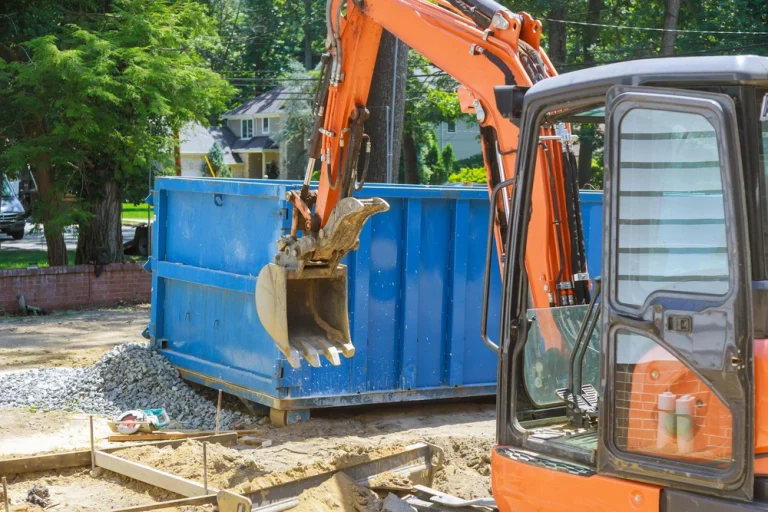
Construction sites generate substantial debris, including wood, drywall, and bricks. Renting a dumpster efficiently manages construction debris, ensuring your workspace is clutter-free. In demolition projects, rapid waste removal is crucial.A roll-off dumpster provides an ideal solution for containing and transporting heavier materials. This allows for quick disposal and keeps the site clear for ongoing work. Selecting the right size—often larger for demolition—is key in accommodating the volume of waste typical in these environments.Landscaping Waste Removal
Landscaping projects can overflow your regular waste disposal capabilities. A dumpster rental is perfect for transporting and disposing of soil, branches, and plants. This consolidates waste, saving you multiple trips to waste facilities.Using a designated rental helps maintain an organized workspace, enabling smooth progress. Whether you’re involved in seasonal cleanups or more extensive landscaping efforts, a dumpster ensures debris does not interfere with new installations or existing plants.Understanding Rental Costs
When renting a dumpster, knowing the fees involved and how to avoid unexpected charges is crucial. Understanding key cost factors can guide you in making a budget-friendly choice.Estimating Your Dumpster Rental Fee
The rental fee typically depends on several factors, including size, location, and duration of use. Small dumpsters, around 10 yards, could cost approximately $300, while larger ones, like 40 yards, might go up to $600 or more. Additionally, your location plays a role—the cost could vary if you’re in an urban area versus a rural one.The duration of the rental also affects the cost. Often, a rental period ranges from 7 to 10 days. Extending this period generally incurs extra charges. It’s beneficial to plan the timeline of your cleanout to minimize additional costs. Ensure you ask the vendor about the base rental fee to get a clear picture of the total estimated costs from the start.Avoiding Hidden Fees
Carefully examining the contract helps in preventing unexpected expenses. Hidden fees could stem from exceeding weight limits, requiring extra disposal time, or incorrectly disposing specific types of waste. Some contracts might not include pickup and drop-off charges in the basic rate, leading to unforeseen expenses.Ask questions about potential additional charges upfront. Knowing the weight limits and what types of debris are accepted can prevent violations. For instance, hazardous materials may incur extra costs due to specialized handling requirements. Understanding this can save you significant stress and financial surprises down the line. Ensure the terms and conditions are transparent before booking.Rules and Regulations
 When renting a dumpster for your project, understanding the rules and regulations is crucial for a smooth experience. It’s important to know which items are prohibited and what permits might be necessary to avoid potential fines or complications.