Key Takeaways
- Dumpster use is crucial for efficient waste management during airport renovations.
- Renting the right dumpsters ensures compliance with safety and regulatory standards.
- Efficient waste management leads to timely and budget-friendly project completion.

Understanding Dumpster Use in Airport Renovations
Using dumpsters effectively during airport renovations requires understanding the types available, selecting the right size, and planning efficient waste management. Each aspect ensures a seamless renovation process.Types of Dumpsters for Construction Debris
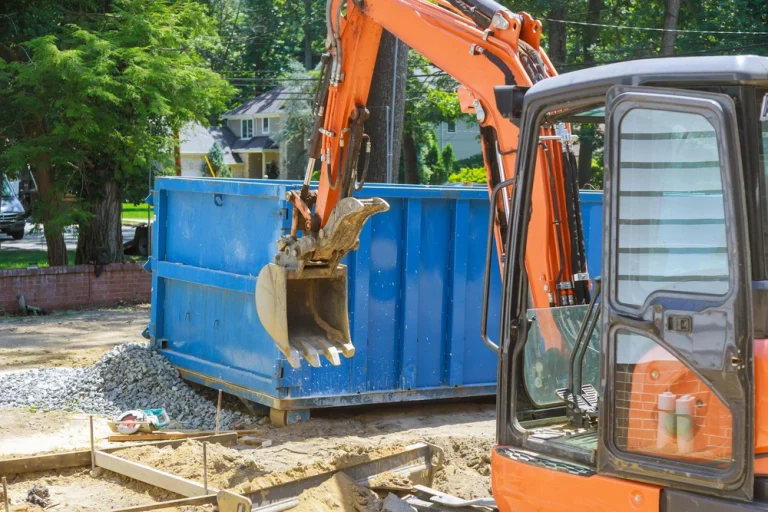
Several dumpster options cater to different needs in airport renovations. Roll-off dumpsters are highly popular due to their ease of loading and transport. These dumpsters are ideal for large quantities of construction debris, such as concrete, drywall, and metal.Front-load dumpsters are another option often used for smaller, ongoing waste. They are more compact and suitable for daily waste collection rather than bulk debris. You should choose the type based on the volume and nature of the waste produced.Different types of waste could require specialized dumpsters. For example, hazardous materials need specific containment to prevent contamination.Determining the Right Dumpster Size
Selecting the appropriate dumpster size is crucial. Sizes range from 10 to 40 yards. 10-yard dumpsters are suitable for minor renovations or small projects, whereas 20-yard dumpsters handle moderate quantities of debris.For large-scale projects, 30-yard dumpsters or 40-yard dumpsters are more appropriate. Estimating the volume of waste beforehand can help in making an informed decision.Consider the frequency of waste generation as well. Continuous projects might need multiple smaller dumpsters with frequent pickups, while single, large disposals might only need one large dumpster. Aligning dumpster size with project needs prevents unnecessary costs and inefficiencies.Scheduling and Planning Waste Management
Effective waste management hinges on proper scheduling and planning. Coordinate dumpster delivery and pickup times to match the renovation phases, ensuring no delays due to waste buildup.Develop a waste management plan that outlines the types of waste, disposal frequency, and safety protocols. This includes segregating recyclable materials to align with environmental regulations.Engage your waste management provider early to discuss specific needs and capabilities. This proactive approach can mitigate potential issues and streamline the renovation process. Airports, due to their operational complexity, require detailed planning to avoid disruptions. By addressing waste management comprehensively, you maintain cleanliness and safety throughout the renovation.Efficient scheduling and planning contribute significantly to the project’s success.Waste Management Strategies for Renovation Projects
Optimizing waste management during renovations involves using efficient dumpster loading, ensuring recycling and sustainability practices, and properly handling hazardous and prohibited materials. Each aspect is crucial to maintaining a clean, safe, and eco-friendly worksite.Efficiency and Proper Loading of Dumpsters
Properly loading dumpsters enhances efficiency and maximizes space. Start by placing bulky items at the bottom to create a stable base. Break down large materials like drywall and plywood to save space. Distribute weight evenly to prevent overloading one side, which can lead to tipping.Utilize vertical space by stacking smaller items on top. Avoid leaving gaps between debris, as this wastes valuable space. Being systematic in how you fill the dumpster ensures that you need fewer dumpsters, saving both time and money.Recycling and Sustainability Practices
Incorporating recycling and sustainability practices is essential in renovation projects. Separate recyclable materials like metal, cardboard, and certain plastics from general waste. Many service providers offer separate bins for recyclable items, making it easier to manage.Implementing sustainability measures not only benefits the environment but can also reduce disposal costs. Reusing materials where possible, such as bricks or lumber, minimizes the volume of waste. Choosing service providers committed to sustainable practices ensures that materials are disposed of or recycled responsibly.Handling Hazardous Materials and Prohibited Items
Specific protocols must be followed when dealing with hazardous materials and prohibited items. Items like asbestos, lead paint, and certain chemicals require specialized disposal methods. These materials can pose serious health risks if not handled correctly.Consult regulations regarding prohibited items, such as tires, batteries, and electronics, as these often cannot be disposed of in standard dumpsters. Using a provider experienced in handling hazardous waste ensures compliance with legal requirements and promotes safety on the worksite.By focusing on these waste management strategies, you can improve efficiency, promote environmental responsibility, and ensure safety during your renovation projects.Renting Dumpsters: Process and Considerations
 When renting dumpsters for airport renovations, it’s vital to choose the right rental service, have a clear understanding of the rental agreement and duration, and be aware of potential costs and additional fees.
Selecting the Appropriate Dumpster Rental Services
Choosing a suitable dumpster rental service is crucial to your project’s success. Look for a provider with experience in handling large-scale projects, such as airport renovations. Ensure they offer various dumpster sizes to accommodate your needs.Consider whether the rental service provides timely delivery and pick-up. Verify their flexibility in adapting to your schedule. Check if the company adheres to regulations for waste disposal and whether they provide support for sorting and recycling materials. Reading customer reviews and requesting references can also be beneficial.Understanding Rental Agreements and Duration
Understanding the details of your rental agreement is essential. Review the terms regarding the rental period, typically ranging from a week to a month. Confirm if extensions are available if required.Clarify what types of materials are allowed in the dumpster to avoid fines. Some items might be prohibited or incur extra charges. Ensure you know the pickup schedule and any conditions for altering it.Discuss what happens if the rental duration needs adjustment and whether there’s flexibility. Being aware of these details will help avoid misunderstandings and ensure smooth operations.Costs and Additional Fees
Costs of dumpster rentals vary depending on size, location, and rental period. Generally, a 10-yard dumpster might cost $200-$400, while a 40-yard dumpster could be $400-$600 or more. Be sure to inquire about any additional fees.Common extra charges include overfilling the dumpster or disposing of prohibited items. There could be fees for extending the rental duration or needing extra pickups due to increased waste volume.Ask about any potential hidden costs, such as delivery and pickup fees. Clearly outline all expenses in the rental agreement to avoid unexpected financial surprises. Ensure you get a detailed quote from the rental service to manage your budget effectively.Regulatory Compliance and Safety Measures
Staying compliant with regulations and ensuring safety and cleanliness are crucial when using dumpsters for airport renovations. Important considerations include navigating local regulations and permits, ensuring safety and cleanliness during renovations, and the impact of regulations on dumpster positioning and use.Navigating Local Regulations and Permits
Local regulations and necessary permits play a significant role in managing dumpsters for airport renovations. You must obtain the appropriate permits from local authorities before placing dumpsters on airport property. Compliance with environmental regulations, such as those governing waste disposal and handling hazardous materials, is crucial.Consult local government websites or offices to understand specific requirements for your area. Ensure that all relevant permits are obtained in advance to avoid project delays or fines. Regularly review and update your knowledge of changing regulations to maintain compliance throughout the renovation process.Ensuring Safety and Cleanliness During Renovations
Safety and cleanliness are paramount during airport renovations to protect passengers, staff, and contractors. Implement rigorous safety measures like placing barricades around dumpsters to prevent unauthorized access. Regularly inspect the dumpster area to ensure that it is free from debris, which could pose tripping hazards.Train all personnel on proper waste disposal practices to prevent environmental contamination. Ensure that dumpsters are covered to minimize dust and odor. Conduct nightly inspections to verify that all safety lights and barricades are in place, which will help prevent accidents during low-visibility conditions.Impact of Regulations on Dumpster Positioning and Use
Where and how you position dumpsters can be significantly influenced by regulatory requirements. Regulations may dictate minimum distances from runways, taxiways, and other critical areas to ensure operational safety. For example, dumpsters should not obstruct emergency routes or interfere with airport operations.Consult the FAA’s Advisory Circular for detailed guidelines on safe dumpster positioning. Consider how other regulations, such as those related to local zoning laws, may affect where you can place dumpsters. Adhering to these rules not only ensures legal compliance but also contributes to the overall safety and efficiency of the renovation project.Evaluating the Benefits of Efficient Waste Management
 Efficient waste management during airport renovations offers several benefits, including enhanced cost-effectiveness and minimized environmental impact. By implementing strategic disposal practices, you can save money and time while promoting eco-friendly waste management.