Key Takeaways
- Fall home maintenance prevents costly winter repairs.
- Exterior and interior tasks improve comfort and efficiency.
- Seasonal preparation ensures safety and readiness.

Preparing Your Lawn and Garden
As fall arrives, it’s crucial to take specific steps to ensure your lawn and garden are well-prepared for the colder months. This preparation involves handling tasks like lawn care, yard preparation, and maintaining your garden and landscape.Lawn Care and Yard Preparation
Begin by raking and removing dead leaves from your yard. This prevents them from turning into sodden mats that could smother new grass in the spring. For your final mow of the season, cut the grass short, around 1.5 to 2 inches, to prevent mold growth and reduce winter damage.Aerating your lawn is also vital. This process helps alleviate soil compaction and improves air, water, and nutrient penetration. You might also want to consider fertilizing your lawn to provide essential nutrients that help roots grow stronger over winter. Spread a layer of compost over your flower beds to enrich the soil naturally; there’s no need to till as precipitation and soil organisms will do the job.Garden and Landscaping Maintenance
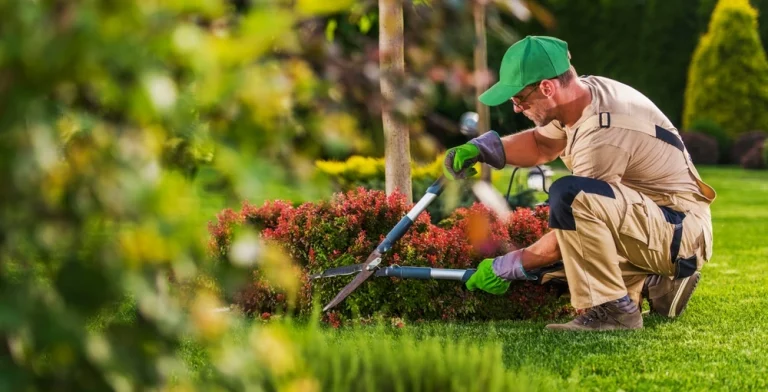
Tend to your shrubs and trees by pruning them to remove dead or diseased wood, which helps prevent issues once they enter dormancy. This also includes garden tools; ensure they are cleaned and stored properly to avoid rust and damage.Plant cover crops like mustard, peas, or clover to add nutrients and prevent erosion. These crops can be turned into the soil in spring. Mulching plants can protect roots from the harsh winter, while touching up exterior paint on structures exposed to snow, such as porch stairs or wood floors, is beneficial to prolong their lifespan.Taking these steps will ensure your lawn and garden remain healthy and vibrant when spring arrives again.Exterior Home Care
Proper exterior home care in the fall ensures your house withstands the winter months. Focus on maintaining the roof and gutters, inspecting windows and doors, and examining paint and siding.Roof and Gutter Maintenance
Maintaining your roof and gutters is crucial for preventing water damage. Start by checking your roof for any missing or damaged shingles, which can lead to leaks. Use binoculars or climb a ladder for a closer look, but ensure safety measures are in place.Gutter cleaning is also essential. Remove leaves, twigs, and other debris to prevent clogging. Clogs can lead to ice dams in winter, which can significantly damage your roof and gutters. Flush the gutters with water to ensure they are clearing properly.Inspect the downspouts to make sure they are directing water away from your home’s foundation. Consider installing gutter guards to reduce the frequency of cleaning. Regular maintenance can extend the life of your roof and gutters.Windows and Doors Inspection
Inspecting windows and doors helps keep your home energy efficient and prevents drafts. Start by examining the caulking around windows and doors. Old or cracked caulk should be removed and replaced to seal gaps and prevent air and moisture from entering.Check the operation of the windows and doors. Ensure that locks, hinges, and handles are working smoothly. If you notice any drafts, consider applying weather stripping to improve insulation.Look for signs of damage such as cracks in the window panes or doors. Cracks can be caulked for a temporary fix, but it may be necessary to replace damaged parts for better insulation and security. This step helps maintain a comfortable indoor environment during colder months.Examining the Paint and Siding
Check the exterior paint and siding for any signs of wear or damage. Look for peeling paint, which can expose wood to moisture and lead to rot. Scrape off loose paint and apply a fresh coat to protect the surfaces.Inspect the siding for cracks or gaps. Damage here can allow water and pests to enter, causing further issues. Replace any damaged sections promptly to maintain the integrity of your home’s exterior.Clean the siding using a pressure washer to remove dirt and mildew. This not only improves the appearance but also helps detect any hidden problems. Regular maintenance of paint and siding preserves the look and condition of your home.Heating and Air Systems
 Fall is the perfect time to prepare your heating and air systems for the colder months ahead. By focusing on both your furnace and your chimney, you can ensure a warm and safe environment in your home throughout the season.
Furnace and Heater Checks
Regular maintenance of your heating system is crucial. Start by checking the furnace filter, which should be cleaned or replaced every few months to ensure optimal airflow and efficiency. A dirty filter can lead to higher energy bills and potential damage to your furnace.Inspect the overall condition of your furnace. Look for signs of wear or corrosion on the components. Additionally, test your thermostat to ensure it is working accurately. Set the thermostat to your desired temperature and observe if the furnace responds correctly.It’s also wise to consider investing in a maintenance plan with a trusted HVAC company. Programs like these often include priority service and discounts on repairs, which can be beneficial during peak seasons. Routine check-ups by a professional can catch minor issues before they become costly problems.Chimney and Fireplace Inspection
Ensuring your fireplace and chimney are in good condition is key to home safety. Begin by looking inside the fireplace for any visible cracks or damage. The flue, which directs smoke out of the home, should be checked for blockages or buildup.Creosote, a byproduct of burning wood, can accumulate in the chimney and become a fire hazard. It is recommended to have a professional chimney sweep clean the chimney annually to remove any creosote deposits.Inspect the exterior of the chimney for structural integrity. Cracks or deteriorating mortar can allow moisture to seep in, leading to further damage. By taking these steps seriously, you minimize risks and ensure your fireplace operates safely.Regular inspections and maintenance of your heating system, fireplace, and chimney will help keep your home warm and hazard-free throughout the fall and winter months.Plumbing and Insulation
Proper plumbing and insulation are crucial in preventing cold weather from causing major damage to your home. Addressing both of these areas can ensure that you avoid unexpected repair costs and maintain your home’s efficiency.Pipe Insulation and Protection
Insulating your pipes is essential to protect them from freezing temperatures. Start by applying foam pipe insulation around all exposed pipes, especially those in unheated areas like the garage, basement, or attic. This insulation helps keep the water inside the pipes from freezing and expanding, which could cause bursting.In addition to foam pipe insulation, consider using heat tape or heating cables for extra protection. These can be wrapped around pipes and come with built-in thermostats that activate when temperatures drop. Be sure to inspect all hose bibs and outdoor faucets, disconnecting and storing garden hoses to prevent them from cracking.Water Supply Systems
Inspect your water supply systems, including both your indoor plumbing and outdoor sprinkler systems. Check for any signs of leaks or weakened seals that could lead to major issues in cold weather. Be sure to shut off and drain water from outdoor systems, such as garden hoses and sprinkler systems, to prevent freezing and cracking.Inside your home, test your plumping system by running all faucets and showers to check for any irregularities in water pressure or temperature. This is also a good time to evaluate your water heater’s insulation. If it’s not insulated, consider adding a water heater blanket to improve efficiency.Regularly examine all hoses connected to appliances like washing machines and dishwashers for any signs of wear or damage. Replace any damaged hoses promptly to avoid leaks or bursts, which can cause significant water damage and costly repairs. If you need a professional to help you with maintenance or repairs, companies like Best Solutions Appliance Repair can help diagnose anything that isn’t working properly and fix it if needed.Home Safety and Emergency Readiness
 Ensuring your home is safe from potential hazards involves regular checks and maintenance. Key areas of focus include testing detectors and alarms, and inspecting fire extinguishers to make sure they are in proper working order.
Testing Detectors and Alarms
It is crucial to test both smoke detectors and carbon monoxide detectors to ensure they function correctly. Test each device monthly by pressing the test button and listening for the alert sound.Replace the batteries at least once a year. Some detectors use 10-year lithium batteries which do not require annual changes but still need regular testing.If the detector does not emit a sound during testing, replace the batteries immediately. If the device still fails to work, consider replacing the entire unit.Fire Extinguisher Inspection
A fire extinguisher is a key safety tool in the home. Inspect your fire extinguishers monthly to ensure they are accessible and in good working condition.Check the pressure gauge to verify that the needle points to the green zone, indicating proper pressure. Ensure the pin and tamper seal are intact and that the nozzle is clear of any obstructions.If the extinguisher shows any signs of wear, corrosion, or damage, it should be serviced or replaced. Mount extinguishers in easily accessible areas, such as the kitchen, garage, and near exits.Seasonal Pest Prevention
Proper pest prevention starts with understanding what attracts pests to your home. Food, shelter, warmth, and moisture are key factors that pests look for. Without these, they will move on.Regularly inspect and clean your gutters. This reduces the likelihood of pests making a home in accumulated debris. For more tips, refer to this fall pest prevention checklist.Seal any cracks and gaps in your home’s exterior. This includes checking around windows, doors, and the foundation. Pests can squeeze through very small openings.Use weather stripping and door sweeps to block entry points. This ensures that your home remains secure against invading pests during cooler months. Repair damaged screens on windows and doors. Even a small tear can be an entryway for insects and other small pests. Keep firewood, lumber, and other materials stored away from your home’s foundation. Stacks of wood can shelter pests like termites and rodents.Regularly trim trees and shrubs, ensuring that branches don’t touch your house. This prevents pests from using them as bridges to your home. Store food properly in sealed containers. Pests are attracted to accessible food sources, so keeping your kitchen clean and organized is essential. Dispose of garbage regularly and ensure that trash cans are sealed tight. This prevents pests from being attracted to your waste.By following these tips, you can effectively prevent pests from making your home their winter haven.Energy Efficiency Improvements
 Preparing your home for fall involves essential energy efficiency improvements. Focus on sealing air leaks and maintaining proper ventilation to optimize energy usage and comfort throughout the colder months.
Sealing Air Leaks and Drafts
Identify areas where drafts occur, such as around windows, doors, and any gaps in the walls. Apply weatherstripping to seal gaps around doors and windows. This inexpensive solution can significantly reduce drafts and save on energy bills.Consider adding or upgrading insulation in your attic and walls. Insulation helps keep warm air inside your home, reducing the workload on your heating system.Use caulking to seal smaller gaps and cracks around the exterior of your home, including along the foundation and around exterior outlets. Proper sealing of air leaks not only conserves energy but also improves indoor comfort.Ventilation and Radiator Care
Proper ventilation is crucial for maintaining indoor air quality and preventing moisture buildup. Ensure that your home’s ventilation system is clean and functioning efficiently.For homes with hot water radiators or steam radiator vents, regular maintenance is essential. Bleed your radiators to remove trapped air, which can make your heating system more efficient.Check steam radiator vents for any blockages or signs of wear. Keeping these vents clear ensures that steam radiators heat your space evenly and efficiently.Lastly, inspect and clean any ductwork and filters in your heating system to improve airflow. This maintenance can help the system run more efficiently, keeping your home comfortable while reducing energy costs.Outdoor Structures and Surfaces
Proper care of outdoor structures and surfaces like decks, patios, driveways, and walkways is crucial as it extends their lifespan and ensures safety. Key tasks include cleaning, sealing, and checking for damage.Deck and Patio Care
Ensuring your deck and patio remain in good condition involves regular cleaning and maintenance. Begin by sweeping debris and leaves off the surface. Inspect for rot and treat any affected areas immediately. Seal wooden surfaces every few years to protect against moisture.Perform a safety check on railings and other structural components. Tighten any loose screws or bolts to prevent accidents. For patios, clean with an appropriate cleaner based on the material (concrete, stone, etc.). Check for cracks and fill them with an appropriate sealant.Finally, remove rust from any metal fixtures. Regular upkeep helps maintain the aesthetics and safety of these areas.Driveways and Walkways
Driveways and walkways also need meticulous attention. Start by cleaning the surfaces to remove dirt and grime. Power washing can be effective for concrete and asphalt.Examine for cracks and potholes and use the right sealant or patching material to repair them. Sealcoat your driveway to protect against weather damage, which helps prevent further cracking and deterioration.For walkways, check for uneven or loose pavers and reset them if necessary. Maintaining these paths is essential not only for the appearance of your property but also to prevent trips and falls.Regular inspections and timely repairs can extend the life of your driveways and walkways.Winter Gear and Supplies
 As temperatures drop and snow begins to fall, ensuring you have the right winter gear and supplies is crucial.