Key Takeaways
- Use affordable hardscaping materials for budget-friendly landscaping.
- Choose DIY projects to reduce costs and personalize your space.
- Maintain your landscape to enjoy seasonal and long-term benefits.

Planning Your Budget-Friendly Fall Landscape
Creating a budget-friendly fall landscape involves evaluating your existing outdoor spaces, selecting cost-effective plants, and utilizing mulch effectively. These steps will help you enhance your garden’s appearance while keeping costs down.Assessing Your Existing Outdoor Spaces
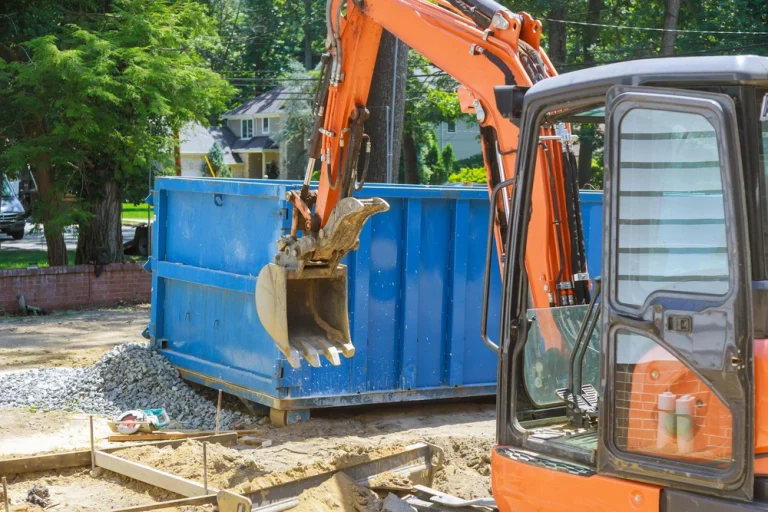
Begin by examining the current state of your yard. Identify strong features you can retain and enhance, such as mature trees or rock formations. Look for areas that need improvement or repair, like bare patches or outdated features. Mapping your yard in detail can highlight these areas. If you’re taking on a larger fall landscaping project, consider using a yard waste dumpster rental to manage debris efficiently. This ensures you can dispose of all yard waste easily and affordably.Choosing Cost-Effective Plants and Trees
Selecting the right plants involves considering factors like climate suitability and maintenance needs. Focus on native species, as these are typically more resilient and require less care. Native plants will adapt well to the local soil and climate conditions, reducing your need for fertilizers and pest control. When looking to plant trees, consider those that offer colorful fall foliage or interesting textures. This adds aesthetic value without requiring extensive investment. You can often find affordable options by visiting local nurseries or plant sales.Incorporating Mulch for Health and Aesthetics
Mulch serves dual purposes by enhancing both the appearance and health of your garden. It helps retain moisture, suppress weeds, and regulate soil temperature. Choose mulch made from wood chips or bark for a natural look that blends seamlessly with your landscape. Applying mulch around plant bases ensures their root systems stay insulated during temperature fluctuations. Always aim for a layer about 2-3 inches thick to achieve optimal results. Beyond the practical benefits, mulch adds a polished finish to flower beds and garden pathways, enhancing the visual appeal of your landscape.DIY Landscaping Projects
Embarking on DIY landscaping projects can transform your outdoor space without breaking the bank. By focusing on building raised garden beds, creating a homemade compost pile, and upcycling for unique garden containers, you can enhance the aesthetics and functionality of your garden.Building Raised Garden Beds
Raised garden beds are an excellent solution for cultivating plants efficiently. They prevent soil erosion and improve drainage, making them ideal for gardening. Using materials like wooden boards or repurposed bricks, you can craft these beds to fit your yard’s design. Make sure to choose a sunny location for maximum growth potential. To keep costs low, consider using reclaimed wood or composite materials. These alternatives are often cheaper and can add a rustic charm to your garden. Furthermore, raised beds reduce pest infestations and allow for easier access to your plants. When dealing with larger projects, consider utilizing a yard waste dumpster rental for easy disposal and cost efficiency.Creating a Homemade Compost Pile
Creating a homemade compost pile is not only eco-friendly but also enriches your soil. Gather organic materials like fruit peels, vegetable scraps, and grass clippings. Layer these materials to create rich compost that can feed your garden year-round. Place your compost pile in a shaded area to ensure it retains moisture and decomposes effectively. Turn the pile regularly to aerate it and speed up the decomposition process. You can even build a simple compost bin from wooden pallets or metal wires as an enclosure. This project reduces waste and enhances plant growth.Upcycling for Unique Garden Containers
Upcycling involves repurposing unused items into creative garden containers. Look around your home for items such as old tires, wooden crates, or metal tubs. These can serve as unique planters that add personality to your garden. Drill drainage holes if necessary and line the containers with fabric to retain soil while allowing water to escape. Transforming these objects into garden containers provides a distinctive charm to your landscape. It’s an effective way to personalize your garden while adhering to a budget-friendly approach. By implementing these creative strategies, you not only enhance your yard’s appeal but also embrace sustainable practices. Whether it’s through raised beds, composting, or upcycling, your DIY landscaping efforts can yield impressive results.Design Elements for Visual Interest
 Creating visual interest in a fall landscape can enhance the beauty and functionality of your outdoor space. Incorporating key elements such as captivating garden paths, water features, and thoughtful outdoor lighting can transform your garden into an inviting haven that emphasizes both form and function.
Implementing a Captivating Garden Path
A well-designed garden path is more than just a way to navigate your yard; it adds a dynamic visual element. Consider using natural materials like stepping stones or gravel, which blend seamlessly with the fall environment. Stepping stones, in particular, provide both aesthetic appeal and practical use by allowing you to create a path that meanders through the garden. For added interest, incorporate different textures and colors in your path design. You might alternate between rustic stones and smooth pebbles or incorporate small plants along the edges. This layered look can enhance the natural beauty of your landscaping. If you’re embarking on a larger garden project, consider a yard waste dumpster rental to easily manage the disposal of leaves and other debris, ensuring a tidy worksite.Adding Water Features for a Focal Point
Water features can serve as a stunning focal point in your garden. Whether a small fountain, birdbath, or pond, these elements introduce movement and tranquility. A simple birdbath can attract local wildlife, adding life to your landscape while serving as an artistic piece. Position your water feature in a central or otherwise eye-catching location to make the most of its visual and auditory appeal. The sound of trickling water creates a serene atmosphere and pairs beautifully with the rustling leaves of fall. Keep water features proportionate to your space to avoid overwhelming your garden. Adjust styles and materials to suit your overall garden theme.Choosing Outdoor Lighting for Curb Appeal
Outdoor lighting is crucial for both safety and aesthetic appeal. Well-placed lights can accentuate key features such as pathways, water elements, and flowering plants, enhancing your garden’s appearance even after dusk. Consider using LED lights for their energy efficiency and longevity. Low-level lights along garden paths not only ensure safety but also create a magical atmosphere. Lanterns or string lights draped around trees can add warmth and charm, while solar-powered options provide an eco-friendly way to illuminate your yard. Make sure your lighting choices complement your garden’s style and scale for the best curb appeal.Plant Selection for a Vibrant Fall Palette
 Creating a vibrant fall palette involves selecting the right plants that bring texture, color, and sustainability to your garden. By incorporating ornamental grasses, cheerful mums, and hardy native plants, you can transform your landscape into an autumnal haven.