Key Takeaways
- A yard waste dumpster rental simplifies fall landscaping cleanup.
- Strategic landscaping enhances both aesthetics and sustainability.
- Combining major yard projects with waste solutions optimizes results.

Planning Your Fall Landscaping Projects
Efficiently planning your fall landscaping projects involves understanding your specific landscape needs and selecting an appropriately sized dumpster for yard waste. These projects often generate a considerable amount of yard waste, making proper disposal a key consideration.Assessing Your Landscape Needs
Start by evaluating your yard’s current condition and the specific improvements you want to achieve. Consider plant selection, soil type, and the maintenance required. Taking notes on areas needing attention, like overgrown shrubs or worn-out garden beds, will help streamline your planning process. Visiting resources on fall landscape ideas can provide inspiration on using plants like sumacs and winterberries that add visual interest. Determine the amount of yard waste your projects might produce. This includes branches, leaves, and any old landscaping materials you intend to replace or remove. A detailed assessment helps you make informed decisions on plant selections and project scope while ensuring successful planning and execution.Selecting the Right Dumpster Size for Yard Waste
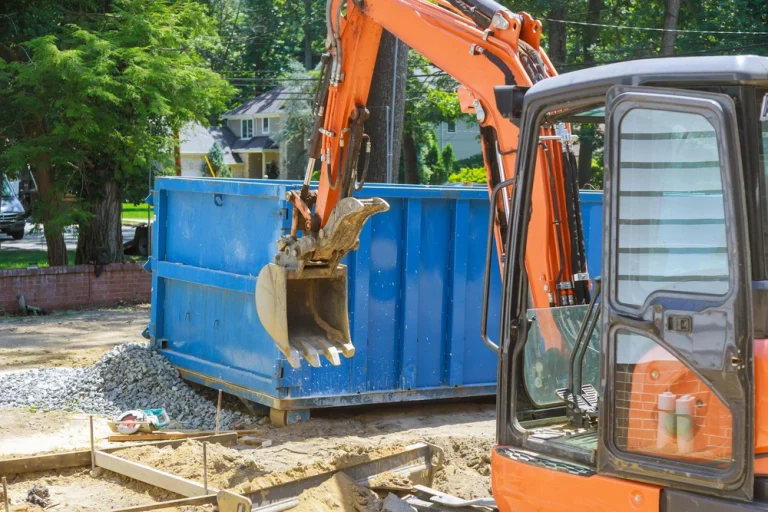
Choosing the right dumpster size for disposing of yard waste is crucial. For minor projects like trimming shrubs and raking leaves, a smaller dumpster may suffice. A more extensive project, such as replanting a large garden or removing trees, might require a larger container. Consult with professionals in yard waste disposal to determine the best dumpster size for your project. They can provide insights based on your project’s dimensions and the types of waste involved. Efficiently managing yard waste with a properly sized dumpster ensures a smooth process and keeps your landscaping project organized, minimizing disruptions during your home improvement efforts. By disposing of waste responsibly, you contribute to a cleaner and more sustainable environment.Essential Fall Yard Cleanup and Maintenance
Fall is the ideal time for thorough yard maintenance. It’s crucial to remove debris and prepare your garden for the upcoming colder months. Key tasks include efficiently managing fallen leaves on your lawn and pruning any dead or damaged shrubs to maintain a healthy landscape.Raking Leaves and Lawn Care
Raking leaves is a vital part of fall yard cleanup as it prevents them from smothering your grass. A thick layer can block sunlight and create an environment for pests and diseases. Consider using a mulching mower to shred leaves into beneficial mulch for the lawn. Implementing regular lawn care now ensures your grass remains healthy, reducing the risk of snow mold and other diseases. Proper lawn maintenance includes aerating the soil to improve water and air penetration, which supports root growth. Feeding your lawn with a fall fertilizer can also promote strong root systems, setting a solid foundation for the spring. Cleaning up fallen leaves and maintaining grass health are essential steps to ensure your landscape thrives.Pruning and Removing Dead Shrubs
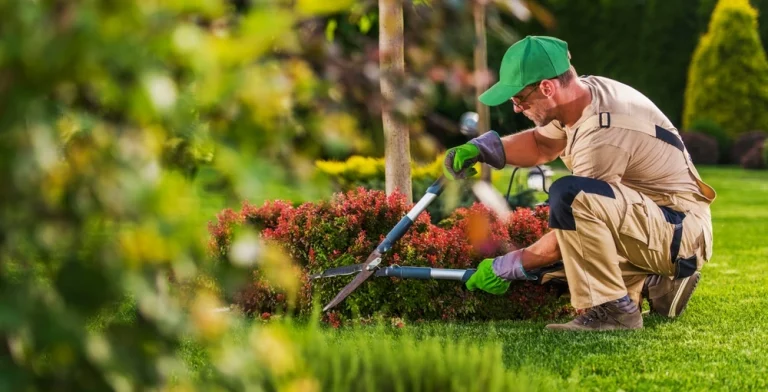
Pruning is essential to your yard cleanup routine. Trim damaged or dead branches to enhance airflow, which helps prevent plant diseases. This step is especially important before snow falls in colder climates, as it minimizes the risk of branches breaking under the weight. Removing dead shrubs not only improves aesthetics but also promotes overall plant health. When pruning, use clean, sharp tools to make precise cuts that heal quickly. Remove any shrubs affected by disease to prevent spreading. Proper pruning encourages plant growth and ensures that your landscape remains vibrant and healthy throughout the fall and winter months. Regular oversight and maintenance can transform your garden into a resilient and beautiful space.Enhancing Curb Appeal with Strategic Landscaping
 Boosting curb appeal through strategic landscaping can significantly enhance your property’s appearance and value. Focus on planting trees and perennials and utilizing mulching for both soil health and visual appeal.
Planting Trees and Perennials
When you plant trees strategically, you can create natural focal points in your landscape. Choose species that thrive in your region and provide benefits such as shade or seasonal color. Trees like maples or oaks offer vibrant fall colors, while evergreens maintain greenery year-round. Perennials add lasting beauty with minimal yearly effort, returning each season. Select drought-resistant perennials for ease of maintenance. Varieties like black-eyed Susans or lavender bloom beautifully across seasons. Proper placement of trees and perennials can frame your home effectively, adding depth and interest to your landscape. Remember to consider sunlight and water needs when planning your layout, ensuring each plant thrives in its designated space.Mulching for Soil Health and Aesthetics
Mulching is essential for improving soil health and enhancing visual appeal. Organic mulch, such as wood chips or bark, enriches the soil as it breaks down while protecting plant roots from extreme temperatures. It helps retain moisture, reducing the need for frequent watering. Mulch also inhibits weed growth, saving you time and effort in garden maintenance. Applying a light layer of mulch around trees and perennials provides a neat, continuous appearance. Different textures and colors of mulch can match or contrast with your plants, creating an appealing landscape design. Ensure the mulch layer is not too thick, as excess can suffocate roots. Proper mulching can elevate your curb appeal and maintain your garden’s health efficiently.Sustainable Practices: Composting and Yard Waste Recycling
Adopting sustainable practices in your landscaping projects is crucial for effective waste management and environmental health. Learn how to create a compost bin and utilize organic matter in garden maintenance.Creating Your Own Compost Bin
Creating a compost bin is a practical way to recycle yard waste and organic matter. Select a location with good drainage and partial sunlight. Use a mix of brown materials like dry leaves and twigs, and green materials such as grass clippings and vegetable scraps. Keep the compost moist and turn it regularly to speed up decomposition. Building your own bin can be simple. You can repurpose materials like wooden pallets or use a commercial plastic bin. Ensure the design allows for easy aeration and access to the compost. Consider a three-bin system for managing compost in different stages of decomposition, which is often used in community composting.Utilizing Organic Matter in Garden Maintenance
Incorporating organic matter from composting into your garden helps improve soil health and supports plant growth. Spread a layer of finished compost over your garden beds to enrich the soil with nutrients. This practice enhances soil structure, boosts water retention, and supports beneficial microorganisms. When recycling yard waste, you can mulch leaves and trimmings to create a natural fertilizer. This approach reduces the need for chemical fertilizers and pesticides. Grasscycling, the process of leaving grass clippings on the lawn, is another effective method of returning nutrients to the soil. By implementing these strategies, you turn yard waste into valuable resources that promote a healthy, sustainable garden ecosystem.Final Considerations for Yard Waste Dumpster Rental
 Choosing the right yard waste dumpster rental for your fall landscaping projects involves more than just selecting a container size. Understanding rental policies and effectively scheduling the usage are crucial steps to ensure a seamless experience, especially when dealing with yard waste disposal and home improvement tasks.