Key Takeaways
- Yard waste dumpsters make leaf removal effortless and efficient.
- They support eco-friendly disposal and soil enrichment practices.
- Simplify your seasonal lawn and garden maintenance tasks.

The Role of Yard Waste Dumpsters in Effective Leaf Removal
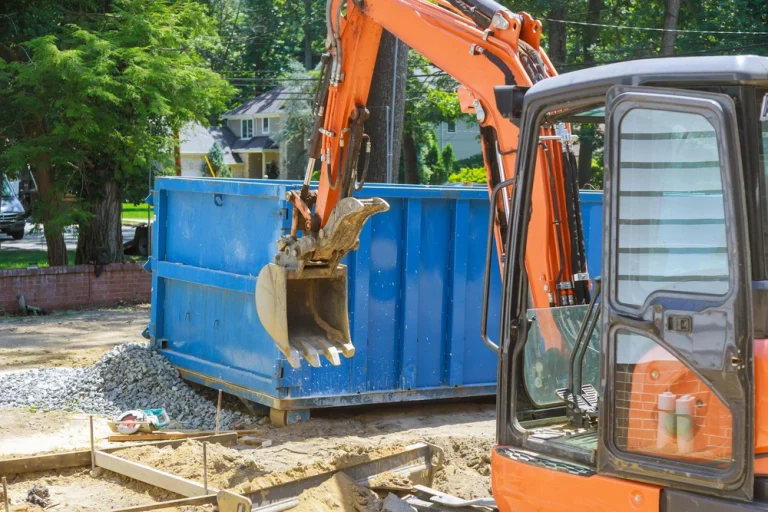
Efficiently managing fallen leaves during the fall season is vital for maintaining a healthy and tidy yard. Using a yard waste dumpster rental can streamline the process, providing an organized system for leaf collection and removal. Knowing the options for rentals and applying effective strategies can make your fall cleanup much easier.Understanding Yard Waste Dumpster Rental Options
When considering a yard waste dumpster rental, various options cater to different needs. Dumpsters come in multiple sizes, ensuring you can select one that matches the volume of leaves and yard debris you expect to manage. Smaller dumpsters may suit modest yards, while larger spaces with abundant fallen leaves might require a bigger container.Some companies offer services specifically tailored for leaf removal. These services often include pickup and disposal, easing the burden of transportation. Pricing and availability can vary, so comparing different service providers is beneficial. Look for rentals that offer flexibility in terms of rental period and pickup frequency to align with your yard maintenance schedule.Strategies for Efficient Leaf Collection and Removal
To maximize the efficiency of your leaf collection, start by clearing the larger areas first. Use tools like rakes or leaf blowers to gather leaves into manageable piles. A systematic approach to clean up leaves can save time and energy. Grouping fallen leaves by type, such as dry or wet, can also help. Dry leaves are lighter and easier to transport.Plan your leaf removal process around clear weather days to avoid working in difficult conditions. Coordinate with your yard waste dumpster rental company to ensure timely pickup. Strategically placing your dumpster close to the leaf piles reduces the distance you need to move debris, further simplifying the task.Best Practices for Loading Dumpsters with Yard Waste
Efficiently loading your yard waste dumpster is crucial for maximizing space. Start by placing larger branches or bulky debris at the bottom to create a stable base. This strategy helps compress the leaves and smaller debris as you load. If possible, compact leaves as you go, using a rake or similar tool to pack them in.Avoid mixing non-organic items with yard waste to prevent contamination and ensure eco-friendly disposal. Check with your rental provider about any specific guidelines or restrictions. Following these practices not only aids in orderly removal but may also prevent extra fees or penalties associated with improper loading.Maintaining Your Lawn and Garden Through Seasonal Changes
 Proper lawn and garden maintenance during seasonal changes involves adapting techniques to keep your outdoor space healthy and beautiful. Focus on lawn care adjustments, safeguarding garden beds for winter, and crucial pruning practices to maintain plant vitality.
Lawn Care Techniques for a Healthier Lawn
Adjusting lawn care techniques in response to seasonal changes can significantly influence the health of your lawn. Start by mowing your lawn properly; cutting the grass too short can weaken it, especially before winter. Aerating the soil is another effective method, helping to reduce thatch buildup and improving nutrient absorption.Incorporate fertilizing and mulching to enhance soil quality. Fertilizer provides essential nutrients, while mulching protects roots and retains moisture. It’s also critical to control weed growth by applying pre-emergent herbicides during the appropriate seasons. To finish, ensure your irrigation system is suited to the seasonal needs—less water during cooler months prevents overwatering issues.Preparing Garden Beds and Landscaping for Winter
As winter approaches, it’s essential to prepare your garden beds and Landscaping to withstand the harsher conditions. Begin by clearing debris and leaves to prevent pests and diseases. Mulching is an effective strategy to insulate the soil and retain heat, protecting the vulnerable roots from freezing temperatures.Edging your lawn and beds creates a clean look and prevents weed growth from encroaching into your beds. You should also consider adjusting any irrigation systems to prevent pipes from freezing or overwatering the dormant garden. This preparation helps soil maintain a consistent temperature and moisture level, fostering a healthy environment for spring growth.Essential Pruning and Trimming for Plant Health
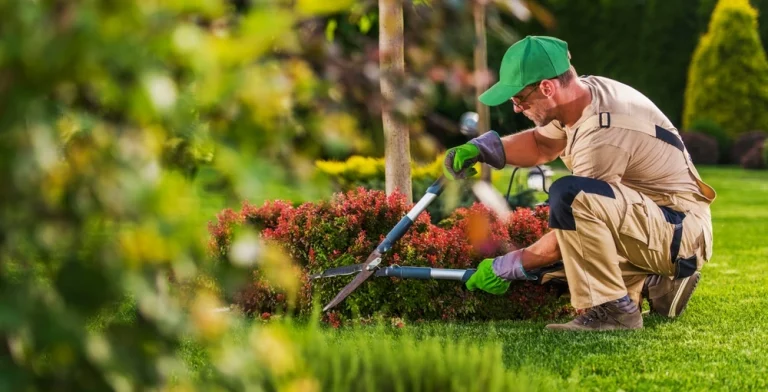
Pruning and trimming are necessary practices to sustain your plants’ health through different seasons. During fall, focus on tree pruning and hedge trimming to remove dead or diseased branches. This prevents damage from snow or ice accumulation and encourages healthier growth patterns in the spring.Shrubs and trees often require attention. Pruning shrubs keeps them vibrant and manageable, while tree trimming reduces the risk of breakage. Timing is crucial; pruning too early can expose plants to frost damage. Always use clean, sharp tools to minimize plant stress and ensure clean cuts. Recognizing specific plant needs will help preserve your garden’s health and beauty year-round.Eco-Friendly Yard Waste Management and Soil Enrichment
 Managing yard waste during the fall can significantly contribute to improving soil health and maintaining your garden or landscape. By focusing on composting and creating mulch, you can transform organic matter into valuable resources that enhance your outdoor space.