Key Takeaways
- Front-load dumpsters are suited for regular waste disposal needs.
- Roll-off dumpsters are best for large, temporary projects.
- Understand your project requirements to choose the right rental.

Understanding Dumpster Types
When selecting a dumpster type, two primary options to consider are front-load and roll-off dumpsters. Each type is designed to fulfill specific needs based on factors like volume and whether your project is temporary or requires regular service.Front-Load Dumpsters
Front-load dumpsters are well-suited for businesses that require ongoing waste management. These dumpsters are durable and feature lids to contain waste and odors, which is beneficial for maintaining cleanliness. They are typically emptied on a regular schedule by trucks with hydraulic forks, ensuring a consistent service that can be tailored to your needs. Volume options for front-load dumpsters vary, generally ranging from 2 to 8 cubic yards. This makes them ideal for businesses with moderate waste disposal needs. They are often more cost-effective than alternatives for smaller, continuous projects and usually do not require special permits due to their permanent placement.Roll-Off Dumpsters
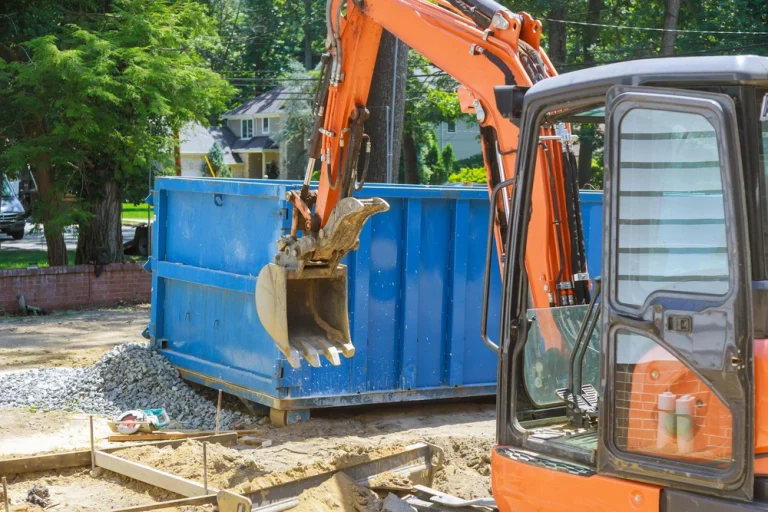
Roll-off dumpsters are designed for larger-scale, temporary projects such as construction or renovation work. They are characterized by their open tops and high sides, which can accommodate bulky waste items. Roll-off dumpsters are typically delivered and picked up by specialized trucks that “roll off” the dumpster at the project site. These dumpsters come in a range of sizes, often from 10-yard dumpsters to 40-yard dumpsters, providing versatile options for large volumes of waste. They are usually rented for short-term purposes, with typical rental periods between 7 to 10 days, allowing flexibility for project-based needs.Applications and Suitability
When choosing between front load and roll-off dumpster rentals, it’s essential to consider the specific applications and their suitability for various tasks. Whether it’s handling construction debris, managing ongoing waste, or clearing out a home during remodeling, each type of dumpster offers distinct benefits.Suitability for Construction Projects
In construction projects, waste generation can be substantial. Roll-off dumpsters are ideal due to their large size and ability to handle heavy materials like concrete, roofing, and metals. Their design allows for significant capacity, accommodating a wide variety of construction debris efficiently. Front load dumpsters, while smaller, are not typically suited for large construction tasks. They are better suited for sites with limited space or ongoing light waste disposal. These dumpsters, emptied regularly, support continuous waste management where lower volumes are expected.Efficiency in Waste Management
For effective waste management, roll-off dumpsters provide flexibility. Perfect for temporary needs, they can be rented for specific durations to tackle seasonal or project-based requirements. Their ease of transportation and high capacity make them an excellent choice for sizable waste generation events. Front load dumpsters shine in scenarios of consistent and regular waste disposal. They are ideal for business or residential locations requiring ongoing waste management services. Their regular pickup schedule helps maintain clean environments without the need for frequent oversight.Advantages for Home Cleanouts and Remodeling
Homeowners undertaking cleanouts or remodeling can benefit from each dumpster type’s specific advantages. Roll-off dumpsters can simplify the process of disposing of large volumes of waste material generated during home improvements or decluttering projects. Their accessibility makes them suitable for heavy or bulky items that are common in these scenarios. Front load dumpsters, although smaller, are effective for long-term projects where regular disposal of moderate amounts of waste is necessary. They can offer a cost-effective solution for ongoing cleanup without the need for a large rental space. Regular service ensures that your waste management needs are consistently met during the duration of your project.Cost Considerations
 When deciding between front load and roll-off dumpsters, several cost factors come into play. You’ll want to think about how long you’ll need the dumpster and what the base rental price includes. Also, consider any additional fees and whether permits are necessary.
Rental Duration and Pricing
Rental costs can vary depending on the type and duration of the rental. Roll-off dumpsters may have a higher rental rate because they are typically rented for shorter durations and can handle larger volumes of waste. Front load dumpsters, on the other hand, often come with lower base costs as they are designed for regular, ongoing waste management. By assessing your project’s timeline and waste production, you can choose a more cost-effective option.Additional Fees and Permit Requirements
Extra charges, like disposal fees, can impact overall costs. Roll-off dumpster rentals may have specific permit requirements, especially in urban areas where space is limited. These permits can add to the total rental cost. Meanwhile, front load dumpsters often don’t require permits since they typically reside on private property. Always check local regulations and ask your provider about any potential fees before renting a dumpster.Comparative Analysis of Dumpster Rental Cost
To choose the best fit for your budget, compare the cost-effectiveness of each type. A front load dumpster might be suitable for smaller, long-term projects with regular waste disposal needs. If your project generates large quantities of waste in a short period, a roll-off dumpster could be more economical, despite the higher rental rates. Evaluate your unique needs to make an informed decision.Operational Differences
Understanding the operational differences between front-load and roll-off dumpster rentals can help you choose the right option for your waste management needs. Key differences include how each type manages pick-up and disposal processes, the restrictions on prohibited items, and the dynamics of regular versus scheduled removals.Pick-Up and Disposal Processes
Front-load dumpsters are typically used for ongoing waste disposal needs. They are serviced on a regular pick-up schedule, which is ideal for businesses that produce consistent waste. These dumpsters are lifted and emptied from the front using a truck equipped with lift forks. This makes them suitable for locations with limited space. In contrast, roll-off dumpsters are designed for temporary projects like construction or renovation. They are delivered on-site and picked up upon request. These dumpsters are removed by a truck that rolls them off the back, allowing for easy loading and transport of large volumes of debris. This flexibility makes them ideal for short-term projects that generate a significant amount of waste.Restrictions on Prohibited Items
When using front-load dumpsters, regulations might restrict items like hazardous materials, electronic waste, and certain recyclables. It’s essential to confirm with your service provider which items are allowed and which should be disposed of differently to avoid penalties. Roll-off dumpsters often have their own set of restrictions, especially for projects involving construction debris or large-scale clean-outs. Some prohibited items can include tires, batteries, and large appliances. Understanding these limitations can help you plan more effectively and ensure compliance with local disposal laws. Checking with your provider about prohibited items is crucial for cohesive waste management.Regular Pickups vs. Scheduled Removals
Front-load dumpsters are serviced with regular pickups, which works well for businesses requiring consistent trash collection and disposal. This means you can set up a reliable pick-up schedule tailored to your operational needs, ensuring continuous waste management without much hassle. Roll-off dumpsters operate differently. They are picked up as needed, offering a flexible solution for special projects. This scheduled removal process allows you to manage timelines and logistics independently, ensuring the dumpster is emptied when it suits your schedule. Whether dealing with junk removal or construction debris, this flexibility is a significant advantage.Choosing the Right Dumpster Rental Company
 Selecting a dumpster rental company requires careful consideration. Prioritize customer service by evaluating how responsive and helpful the company is. Quick communication and clarity regarding rental terms indicate reliability.
Consider the company’s location. Choosing a locally-based provider can reduce transportation costs and expedite delivery and pickup. This can be especially beneficial for time-sensitive projects.
Ensure the company understands the type of debris you plan to dispose of. Some companies specialize in certain materials, such as construction waste, yard debris, or household junk. Confirm that they can handle your specific waste requirements.
Look for companies committed to recycling. Ask about their waste management policies and if they prioritize recycling and environmentally-friendly practices. This not only helps the environment but may also reduce disposal fees.
When comparing pricing, consider not just the rental fee but also any additional charges. Hidden fees can include overage charges, taxes, or specific disposal fees. Make sure you understand the total cost before committing.
Check for online reviews and testimonials. Past customer experiences can provide insight into the company’s reliability and professionalism. A company with a good reputation is likely to meet your expectations.
Lastly, review the available dumpster sizes and options, including front load and roll-off dumpsters. Ensure the company offers the size you need for your project to avoid unnecessary complications.
Selecting a dumpster rental company requires careful consideration. Prioritize customer service by evaluating how responsive and helpful the company is. Quick communication and clarity regarding rental terms indicate reliability.
Consider the company’s location. Choosing a locally-based provider can reduce transportation costs and expedite delivery and pickup. This can be especially beneficial for time-sensitive projects.
Ensure the company understands the type of debris you plan to dispose of. Some companies specialize in certain materials, such as construction waste, yard debris, or household junk. Confirm that they can handle your specific waste requirements.
Look for companies committed to recycling. Ask about their waste management policies and if they prioritize recycling and environmentally-friendly practices. This not only helps the environment but may also reduce disposal fees.
When comparing pricing, consider not just the rental fee but also any additional charges. Hidden fees can include overage charges, taxes, or specific disposal fees. Make sure you understand the total cost before committing.
Check for online reviews and testimonials. Past customer experiences can provide insight into the company’s reliability and professionalism. A company with a good reputation is likely to meet your expectations.
Lastly, review the available dumpster sizes and options, including front load and roll-off dumpsters. Ensure the company offers the size you need for your project to avoid unnecessary complications.