Key Takeaways
- Dumpsters are indispensable for maintaining cleanliness and safety at construction sites.
- Selecting an appropriately sized dumpster is essential for efficient waste management.
- Proper planning of waste disposal can lead to significant savings in time and resources.

Why General Contractors Require Dumpsters
As a general contractor overseeing construction or renovation projects, you’re responsible for the continuous flow of tasks and ensuring everything on the jobsite runs smoothly. An essential aspect of achieving this is managing various forms of waste generated. It’s not just about keeping the site clean; it’s also about maintaining productivity, adhering to legal standards, and handling waste in an efficient manner.Construction Debris Management
When you take on construction projects, whether they involve demolition or building from the ground up, you generate a substantial amount of waste. Common types of construction debris include:- Wood and lumber
- Metal scraps
- Concrete
- Drywall
- Tiling
Efficiency in Waste Removal
Efficient waste removal is critical to your project’s timeline and labor allocation. A roll-off dumpster serves as a centralized location for all waste, which simplifies the process of waste removal. This efficiency translates into direct benefits:- Reduced labor costs: Workers spend less time disposing of debris.
- Streamlined workflow: Less clutter means easier maneuverability and fewer obstructions.
- Enhanced productivity: Workers can focus on their tasks rather than waste management.
Compliance with Regulations
Your work extends beyond mere construction; it also encompasses adherence to a set of rules and regulations. Proper waste management using dumpsters is essential for:- Environmental compliance: Proper disposal of waste materials helps prevent pollution and land degradation.
- Legal requirements: Adherence to local, state, and federal regulations regarding waste disposal avoids potential fines and legal complications.
Choosing the Right Dumpster Size
Selecting an appropriate dumpster ensures efficiency and cost-effectiveness for your project. Accurate sizing prevents overage charges and avoids delays due to insufficient waste capacity.Understanding Dumpster Sizes
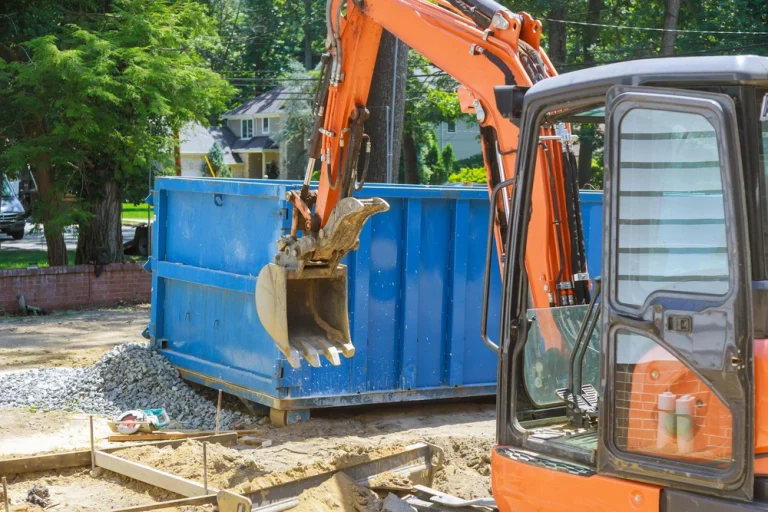
Dumpsters come in a variety of sizes measured in cubic yards, which directly correspond to their capacity. Here’s a quick overview of the common options:- 10 yard dumpster: This compact option measures roughly 12 feet long, 8 feet wide, and 4 feet high. It’s suitable for smaller cleanout jobs or minor remodeling tasks.
- 20 yard dumpster: With dimensions near 22 feet long, 8 feet wide, and 4.5 feet high, it’s well-suited for medium-scale projects involving room renovations or bulky material disposal.
- 30 yard dumpster: This larger dumpster, typically around 22 feet long, 8 feet wide, and 6 feet high, handles major renovations or new construction debris.
- 40 yard dumpster: The largest standard size, approximately 22 feet long, 8 feet wide, and 8 feet high, is designed for the most substantial waste removal needs in commercial construction.
Matching Dumpster Size with Project Scope
For general contractors, matching the dumpster size with the project’s scale is crucial.- For a basic home cleanout or small remodeling task, a 10 yard dumpster often suffices.
- A 20 yard dumpster is typically recommended for more extensive renovations, such as a kitchen or a full-floor renovation.
- For new home builds or large-scale demolitions, a 30 or 40 yard dumpster may be necessary to handle the volume of waste.
Types of Waste Handled by Dumpsters
 When undertaking construction or landscaping projects, you’ll encounter a variety of waste materials. Dumpsters streamline the process, accommodating everything from roofing materials to yard debris.
Roofing and Construction Materials
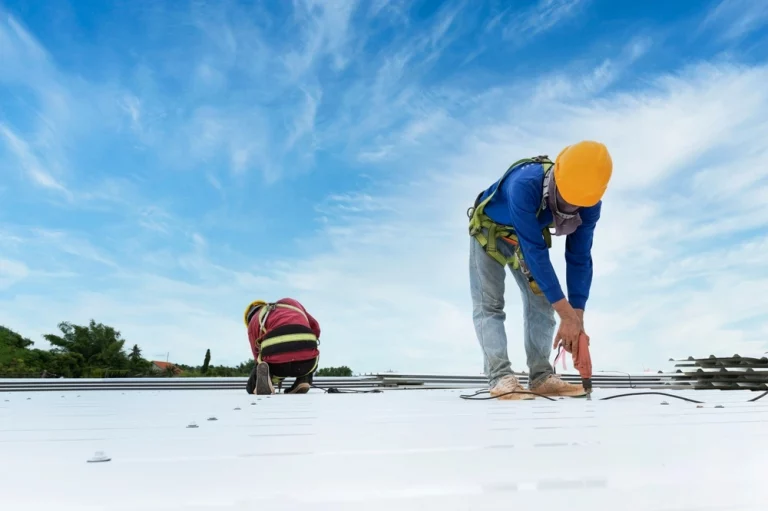
Roofing: Your roofing projects will generate waste like asphalt shingles, underlayment, and perhaps old tiles. A dumpster can hold all these materials, facilitating easy disposal.- Shingles: Typically, a 10-yard dumpster suffices for up to 20 squares of shingles.
- Tiles: For heavier roofing materials, such as tiles, a larger dumpster may be needed due to weight considerations.
- Wood: Dimensional lumber, plywood, and framing are common wood types that go into the bin.
- Concrete: Concrete should be placed in a roll-off dumpster designed to handle the weight.
- Drywall: In substantial renovations, large amounts of drywall can accumulate, but disposal is straightforward with the right dumpster size.
Yard Waste and Heavy Debris
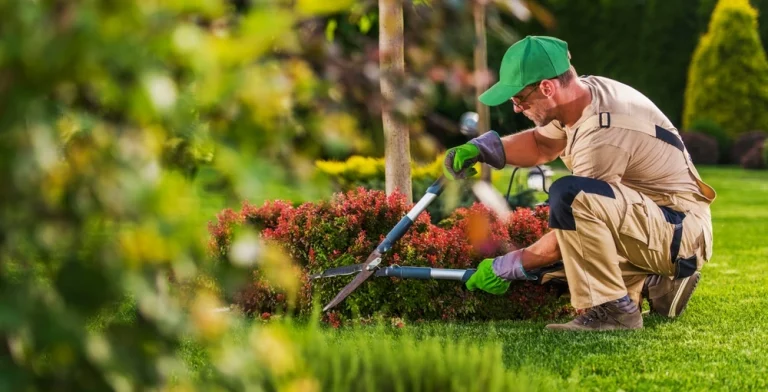
Yard Waste Disposal: Your landscaping efforts produce organic waste such as grass clippings, shrubs, and branches.- Shrubs/Plants: These can be bundled or left loose in the yard waste dumpster.
- Soil: Note that soil can be heavy; therefore, fill the container only to the halfway point to avoid overloading.
- Concrete: For driveways or patio removal, a roll-off dumpster is apt for containing concrete slabs.
- Dirt: When clearing out space for landscaping, dumpsters that accept dirt can be used, but remember the weight restrictions.
Logistics of Dumpster Rentals
Effective logistics are crucial for ensuring your construction or roofing project stays on schedule with continuous waste management. Reliability in deliveries and pickups, along with access to both local and national dumpster services, plays a pivotal role.Scheduling Deliveries and Pickups
For seamless progress on your construction site, it’s essential to organize dumpster deliveries and pickups meticulously. Construction dumpsters come in various sizes and your choice should align with the project scale—a small roofing project may only require a 10-yard dumpster while large constructions could need a 30-yard or larger. Remember that appropriate scheduling prevents workflow interruptions. Typically, you can expect:- Same-day or next-day delivery options from local providers.
- Predetermined pickup schedules to align with your project’s timeline.
- Flexibility for urgent or unexpected needs, often through a dedicated account manager.
Navigating Local and National Services
Whether you’re dealing with a local company or a national dumpster rental provider, the goal is to find a reliable partner for your waste management needs. Local services may offer personalized attention and knowledge of area-specific regulations. In comparison, national services provide extensive coverage and standardized practices across different locations. To navigate these options:- Evaluate the reliability of the service through customer reviews or referrals.
- Determine if a dedicated account manager is available to address your site-specific concerns.
- Compare costs and services to find a reliable partner that meets local regulations and project demands.
Cost Considerations for Dumpster Rentals
 As a general contractor, understanding the nuances of dumpster rental pricing is pivotal in maintaining project budgets and increasing efficiency on construction sites.
Factors Influencing Dumpster Cost
When you’re looking at construction dumpster rental costs, several variables come into play that can significantly affect the price. The size of the dumpster is one of the primary determinants of cost. Common sizes are:- 10-yard dumpster: Ideal for small renovation projects or medium-sized cleanouts.
- 20-yard dumpster: Suits larger residential projects or light commercial debris removal.
- 30-yard dumpster: Accommodates major construction or demolition jobs.
- 40-yard dumpster: Top choice for large-scale commercial construction work.
Maximizing Value for Contractors
To get the best value out of your dumpster rental, consider the following tips:- Assess Project Size: Choose the right dumpster size to avoid overage fees or the hassle of renting additional dumpsters.
- Plan Ahead: Schedule your rental in advance to ensure availability and avoid rush charges.
- Bundle Services: If you require multiple dumpsters or ongoing service, ask about package deals or extended rental discounts.
Additional Services and Management
When organizing a construction project, you must consider not only debris removal but also your project’s environmental impact and the comprehensive management of all waste solutions. Efficiently addressing these factors can significantly benefit your project’s workflow and sustainability objectives.Waste Diversion and Environmental Responsibility
Your commitment to environmental responsibility can be seen through waste diversion efforts on your construction site. Proper waste management includes sorting and disposing of materials in a way that reduces the impact on landfills. By opting for LEED-friendly practices, such as recycling and reusing materials, you contribute to sustainable construction initiatives.- Roll Off Dumpster Rentals: Suitable for various materials, including those from demolition projects.
- Demolition Projects: Often produce substantial debris that can be recycled or reused if sorted correctly.
- Recycling Reporting: Keeps track of the waste diverted from landfills, aiding in LEED certification.
Comprehensive Waste Solutions
Managing a construction project requires overseeing multiple components, one of which includes comprehensive waste solutions. This not only encompasses the removal of waste but also the inclusion of portable sanitation services, essential for maintaining hygiene onsite.- Portable Toilets and Hand-Washing Stations: Fundamental for meeting sanitation needs.
- Storage Containers: Securely store materials and equipment, reducing clutter and potential waste on the site.
- Account Management: An account executive will typically be assigned to your project to assist with customer service, reporting, and coordination of services like dumpster rental, portable sanitation services, and storage needs.